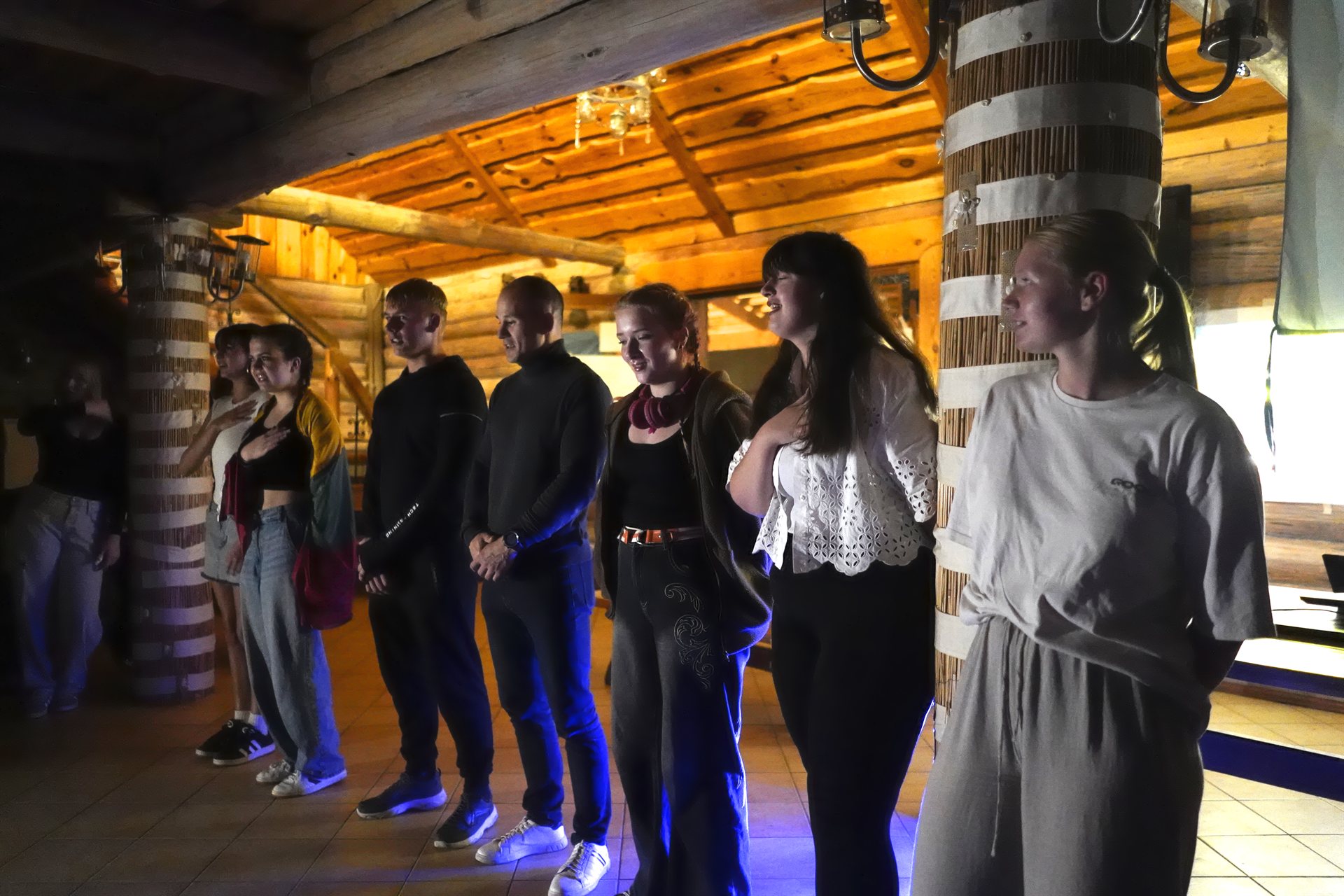
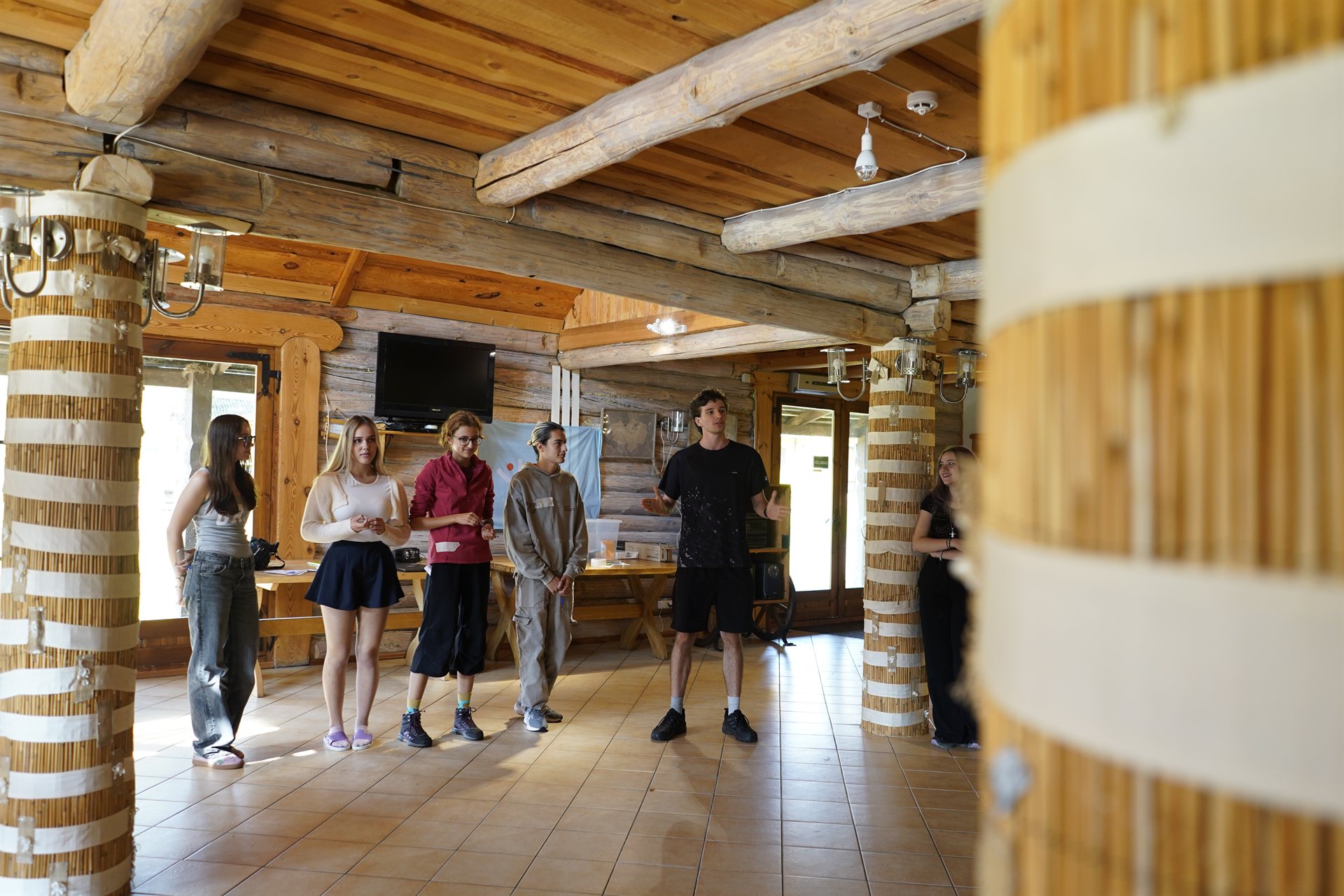
A line of young people stood shoulder to shoulder in a room in Labanoras. A voice read out questions, quietly, one after another. Can you afford food every day? Can you see a doctor when you need one? Can you spend time with friends after school? With each answer, some stepped forward and others stayed put, and within minutes the straight line had broken into a scattered map of distance. Nobody had moved more than a few steps, yet the room now showed, plainly, how unevenly opportunity is handed out.
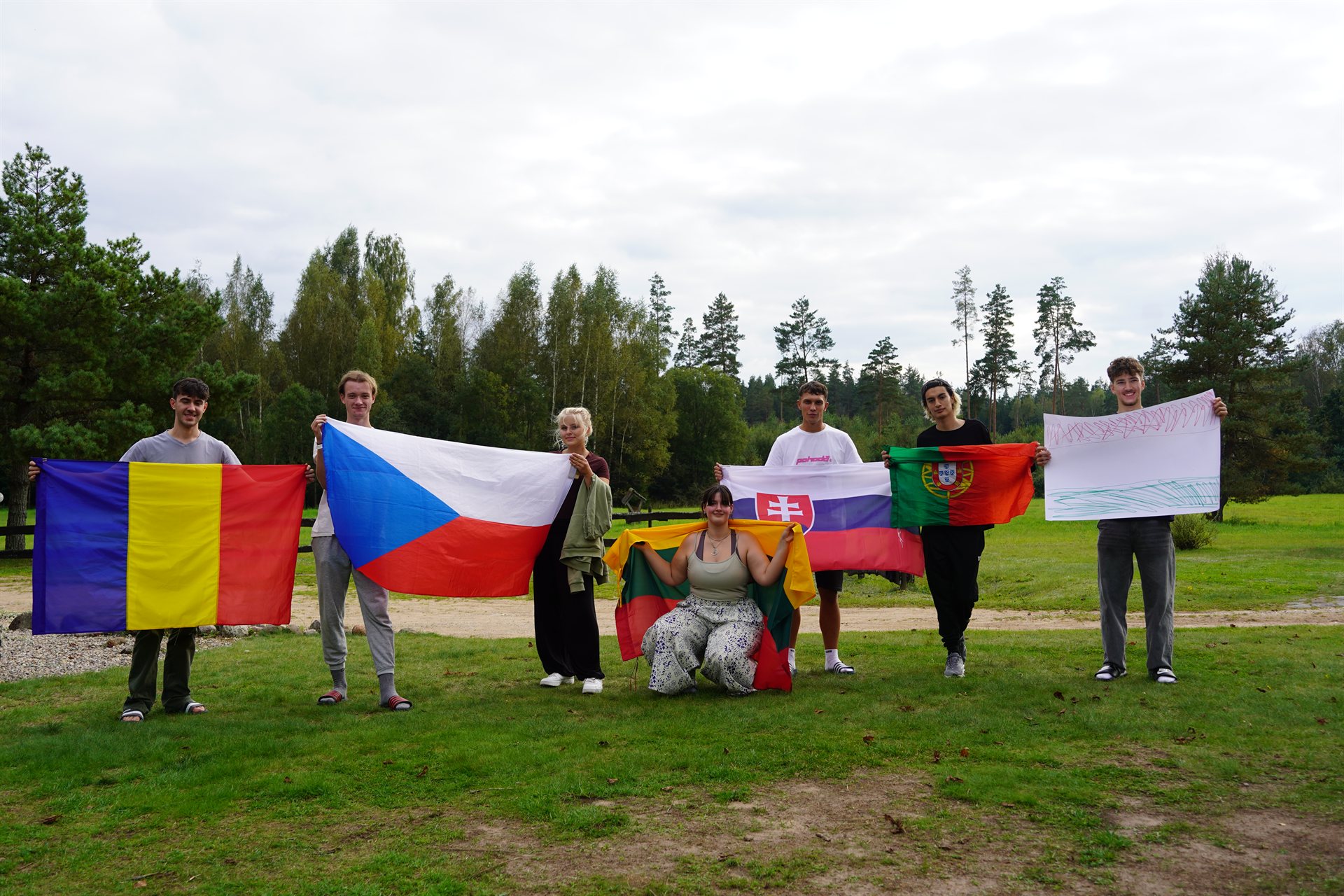
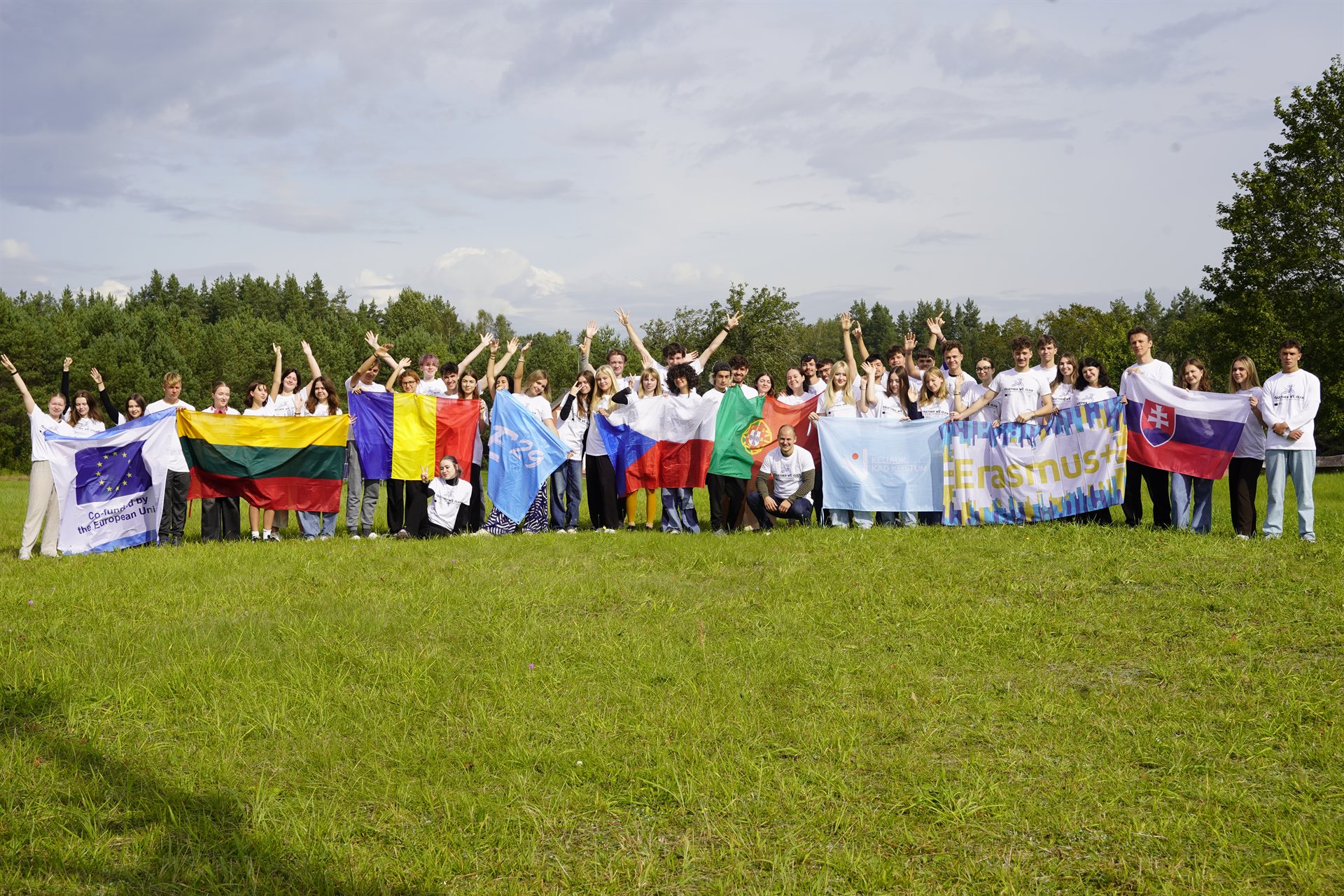
That exercise was one of dozens packed into Together We Click, a nine-day youth exchange that brought forty-five young people from Lithuania, Czechia, Slovakia, Hungary, Portugal and Romania to a quiet forest village in Lithuania. The topic was inclusion, accessibility, and diversity. The method was to make each one tangible, something you could draw, perform, argue, or feel under your fingertips, rather than something you nodded along to in a presentation.

Before the Work, the Trust
Nothing useful happens in a room full of strangers, so the first days were spent dismantling that. Name games, human bingo, and a round of finding five things in common across mixed-nationality teams did the slow work of turning forty-five individuals into one group that could disagree without flinching.
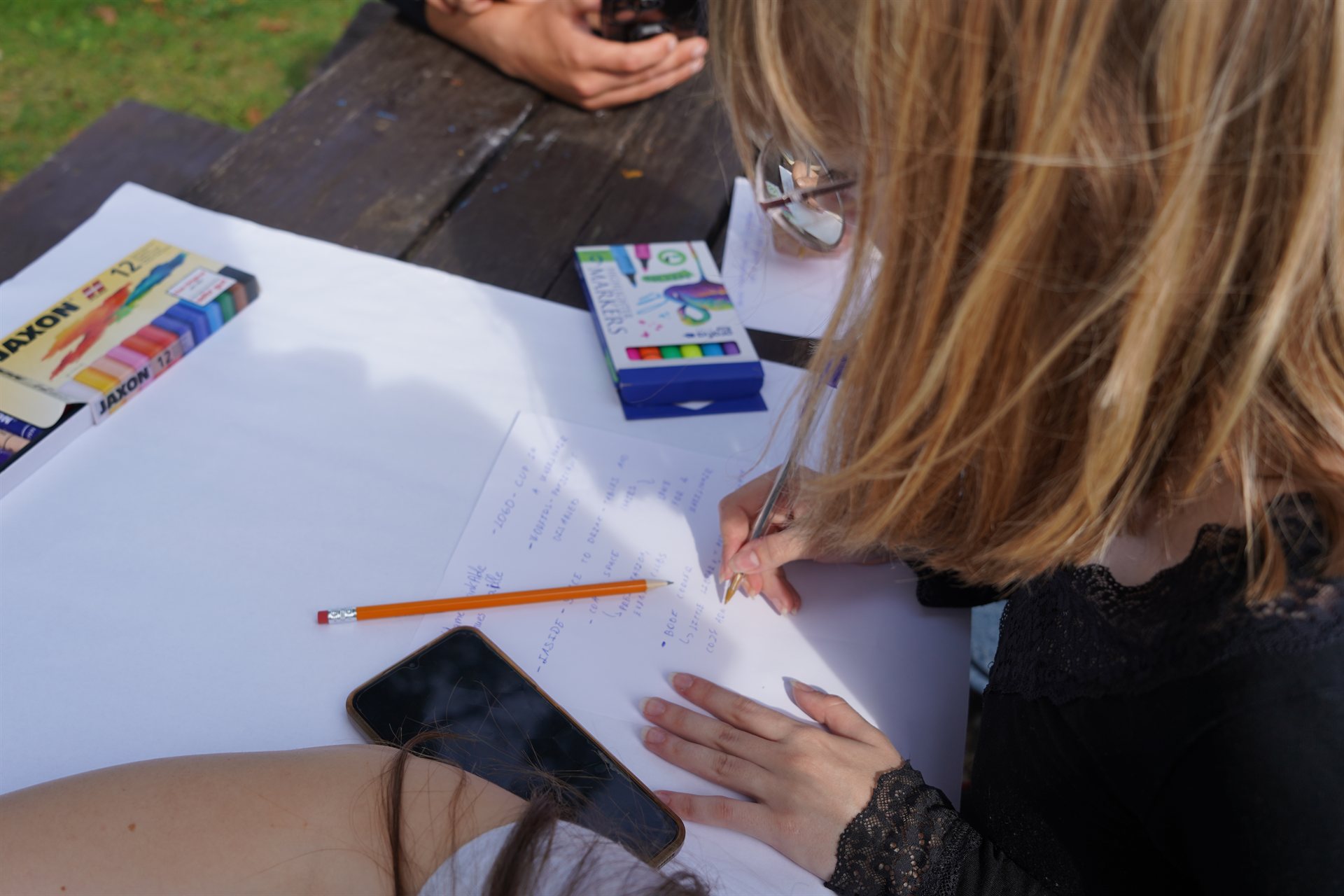
That trust was then written down. Working in small groups, participants drafted and signed their own Code of Conduct, deciding for themselves what a respectful, inclusive week would require: listening before speaking, giving everyone the floor, and keeping the shared spaces and resources in good order. They also named their hopes and fears out loud, pinning them to a flipchart so the group could see what everyone had carried in.
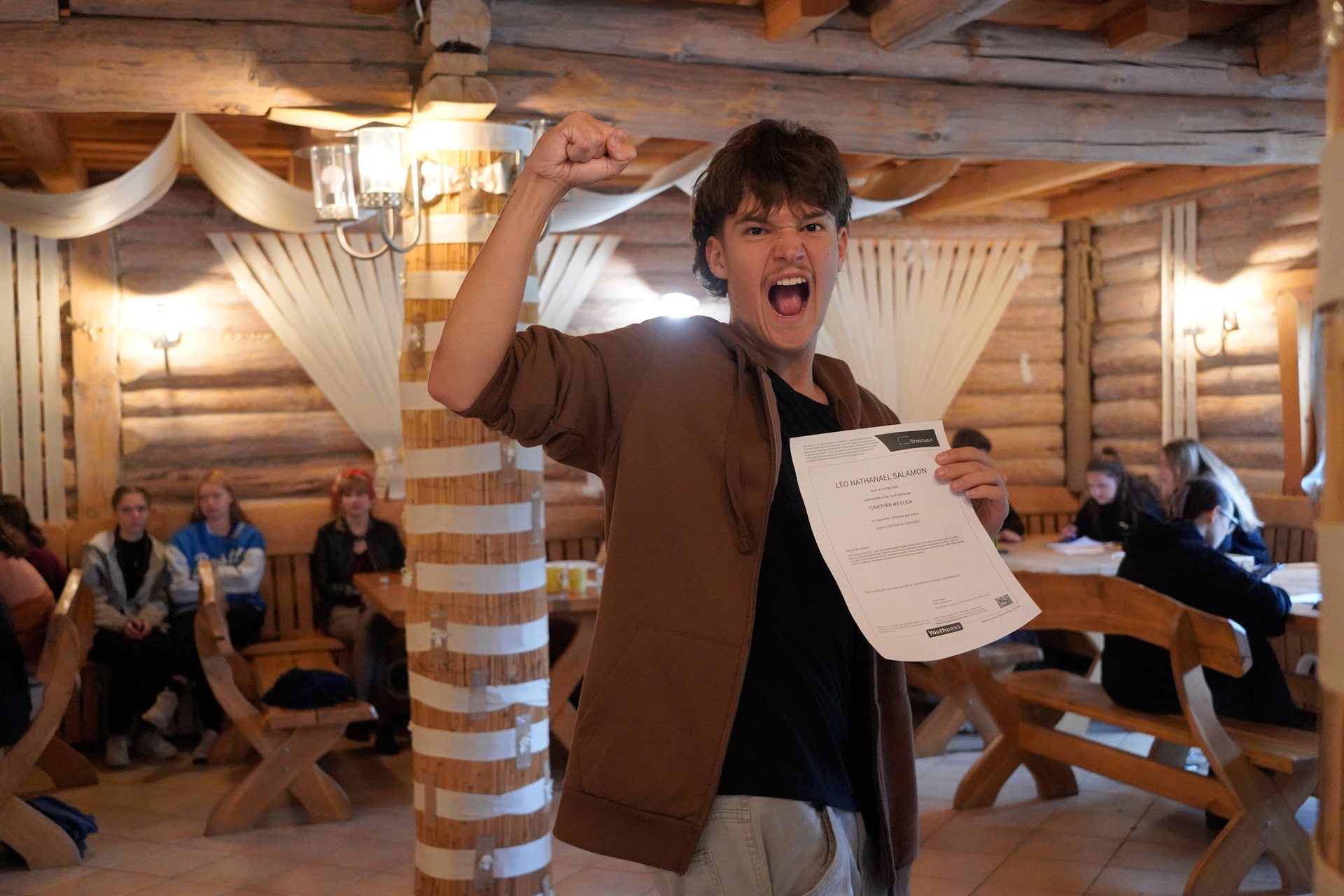
To keep the week running on participant energy rather than staff instruction, the group split into rotating teams: a recall team to revisit each day, energisers, an evening-programme crew, timekeepers, and a multimedia team to document it all. A session on the Youthpass and its eight key competences gave everyone a shared language for the learning that was about to happen.
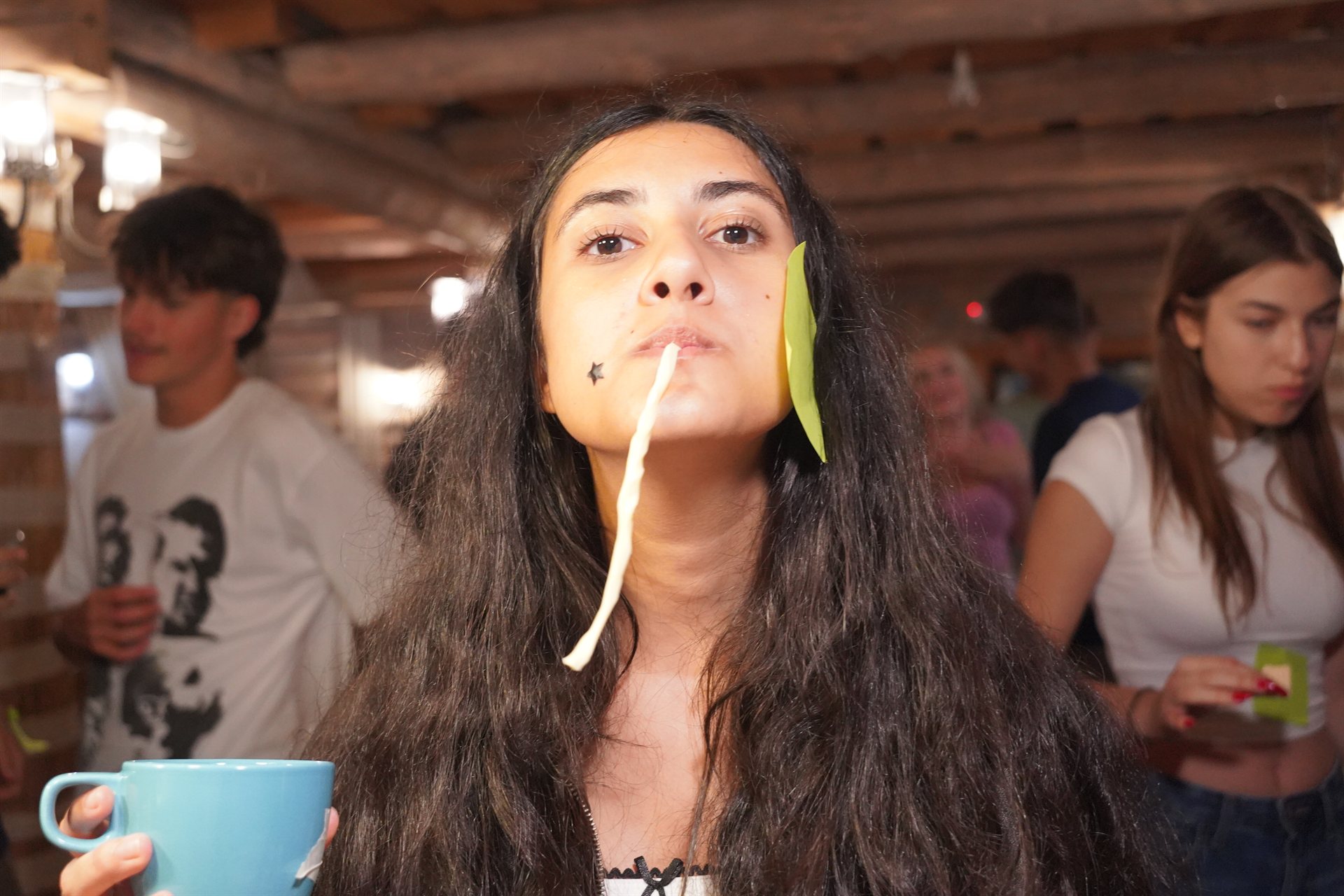
Two quiet rituals ran underneath the whole week. A Compliment Box let anyone drop an anonymous note for someone else, read out each evening. A Secret Friend game had every participant secretly looking after another with small handmade gifts, right up to the reveal at the farewell party.

Inclusion, Taken Apart
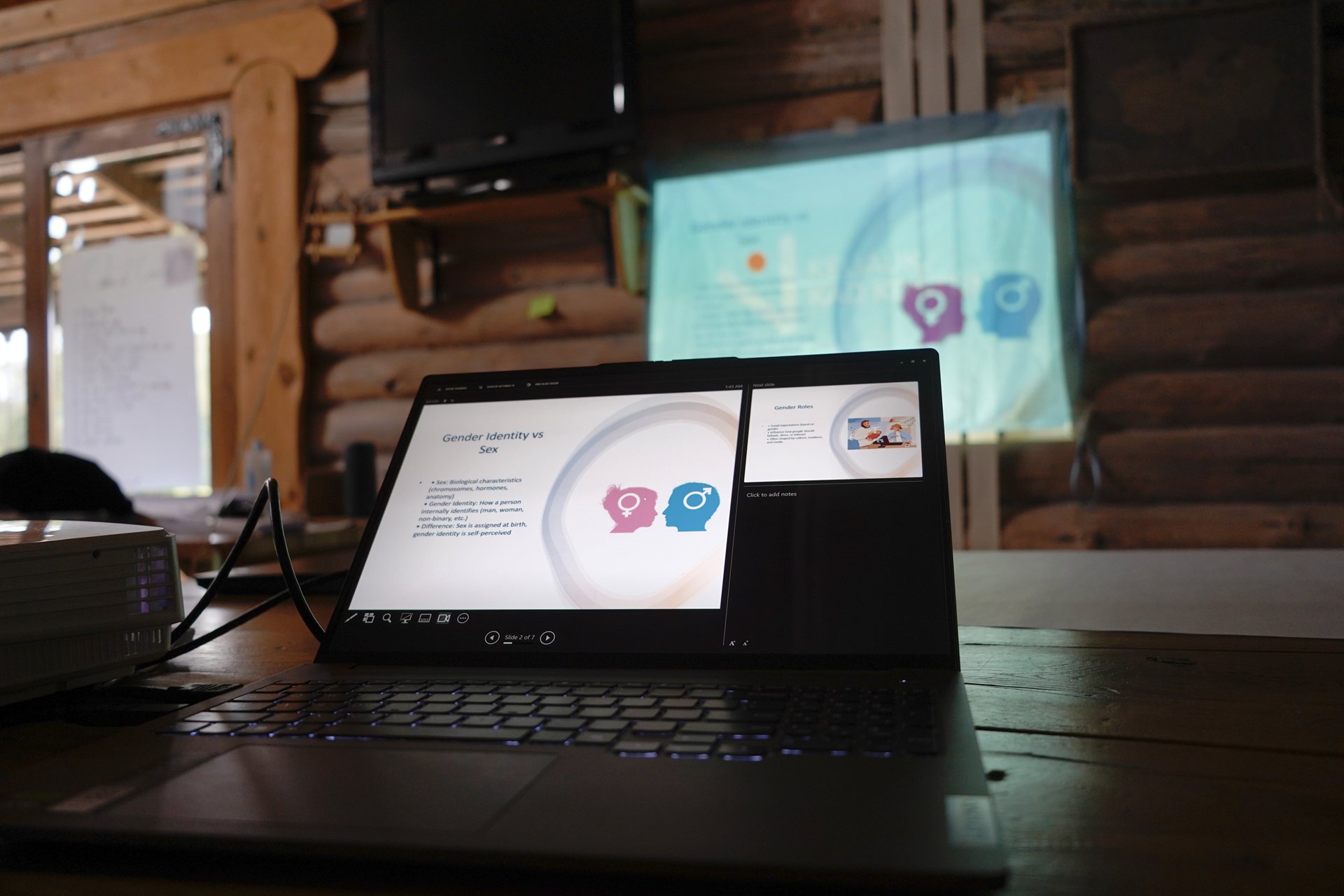
With the ground set, the group went straight at the topic. They split discrimination into its many forms, race and nationality, gender, sexual orientation, disability, religion, appearance, and examined how each one shows up in ordinary life rather than in headlines.
The methods stayed hands-on. Teams turned their analysis into comics, translating heavy subjects like mental health stigma and accessibility into visual stories anyone could read at a glance, then hung them on the wall as a gallery. In the Theatre of the Oppressed, participants performed short scenes of exclusion and then replayed them, this time letting the audience step in and change the outcome, a direct way of showing that a bystander has choices. A debate format pushed them to argue divisive statements and physically cross to the side they believed in, then defend it.
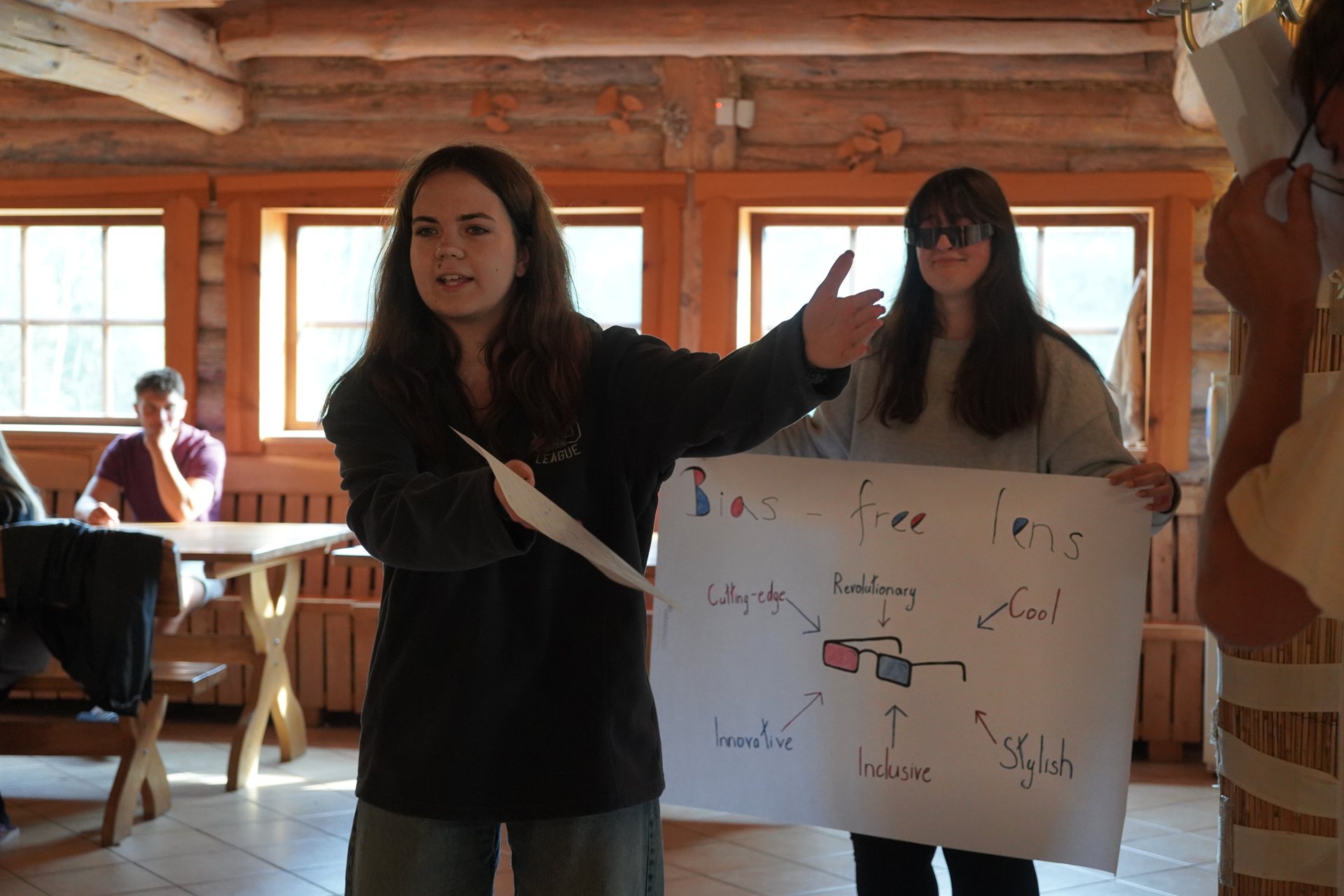
Other sessions worked on the media layer of the problem. In “The Bias of Words”, teams wrote two opposite articles about the same film, one inviting, one damning, and watched how easily a story bends depending on who tells it. Short-form video challenges asked them to confront stereotypes in the format their own generation actually scrolls through.
Conversations Without Words
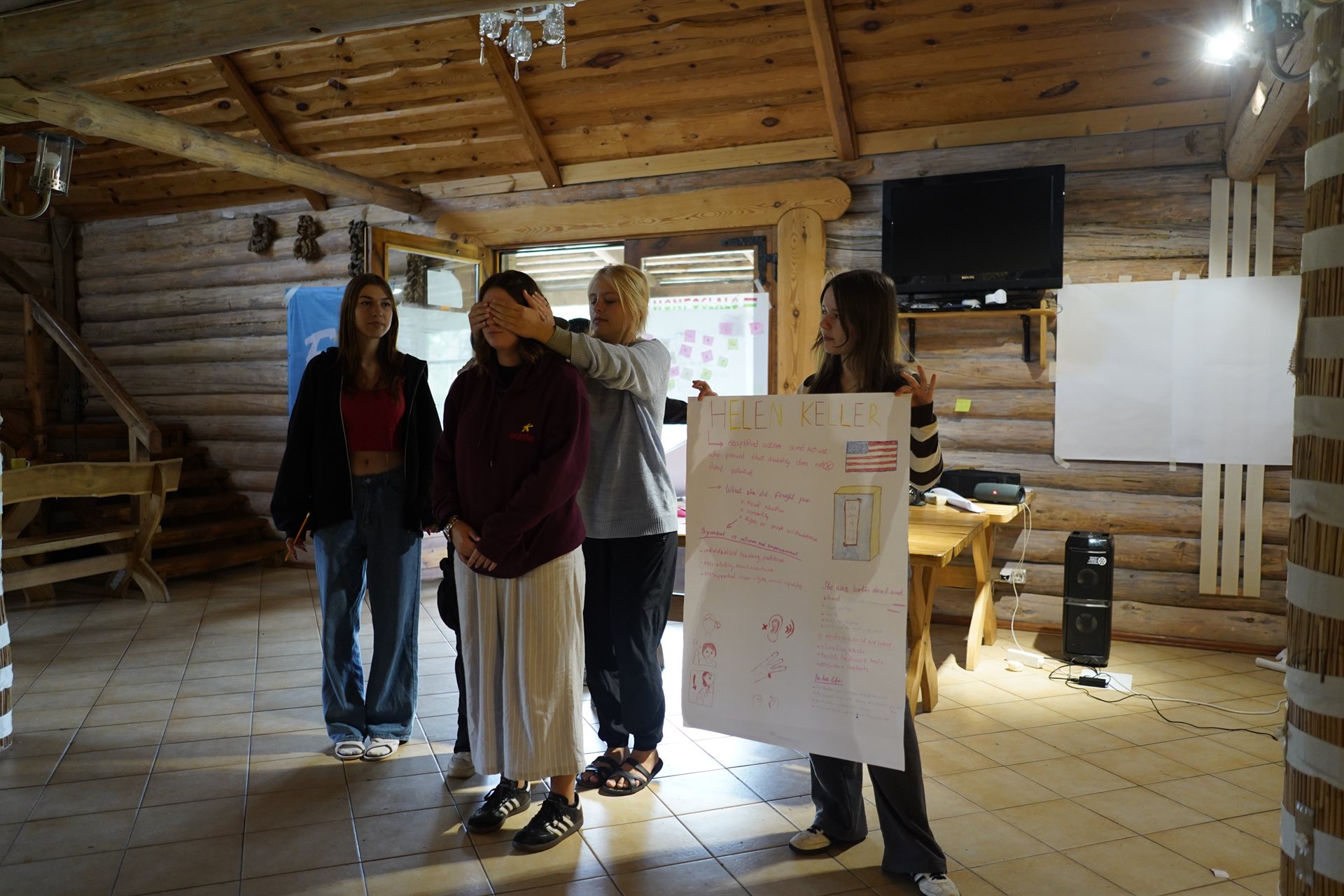
If the privilege walk showed inequality from the outside, the accessibility sessions worked from the inside. In one challenge, teams had to present an entire piece of research on a disability-rights role model without speaking a single word, carrying the whole thing on gesture, drawing, and the sign-language alphabet they had just learned. They also read quotes written in Braille with their eyes closed, working from a single translation key so they could feel, firsthand, how scarce such resources can be.
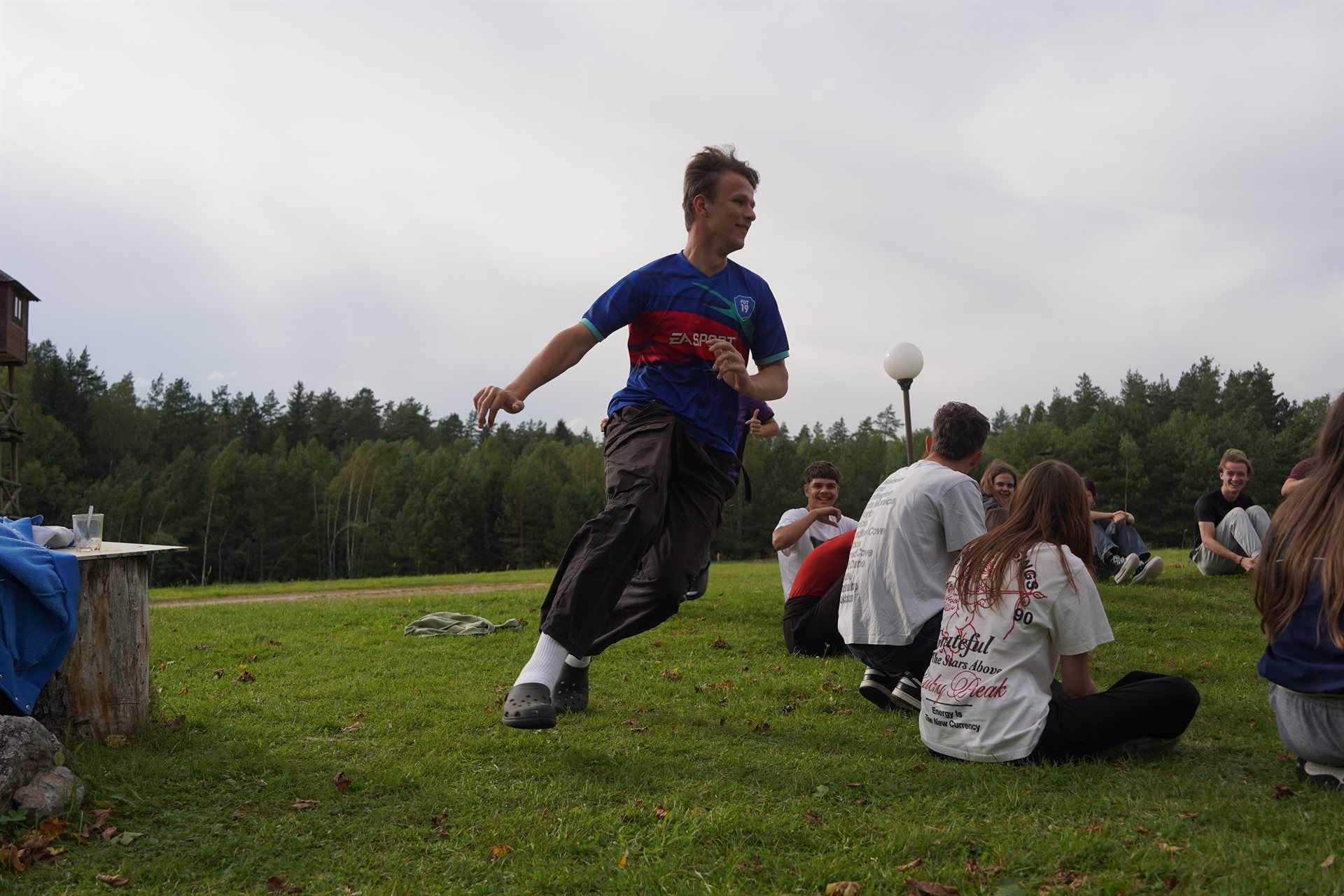
The body kept doing the teaching. In an adapted sports session, players drew cards that took away a limb or a movement, then had to find a way to compete and keep everyone in the game. A choreography exercise closed the loop: teams built a short dance about inclusion, then had two members swapped into a different group mid-performance with no briefing, forced to adapt on the spot. The discomfort, and the relief when it clicked, said more about belonging than any lecture could.


From Understanding to Output
By the second half of the week the group moved from absorbing to making. A Shark Tank session asked teams to invent real solutions for inclusion, then pitch them to a jury of their peers. Out came ideas like Navican, InclEye, and Togetherly, products and apps aimed at problems like marginalisation and disability-unfriendly design. National Perspectives sessions had each country group present an honest look at how inclusive their own society is, and where it falls short.
The digital sessions turned reflection into something shareable. Teams produced short videos on gender inequality, religious discrimination, exclusion of the LGBTQ+ community, and health-based discrimination, choosing for themselves whether to land the message through humour or through emotion. On the final days, the groups designed their own future youth-exchange concepts and planned how they would carry the topic home, ending with a participant-written reflection that became the basis for this very story.

When Hungary Took the Floor
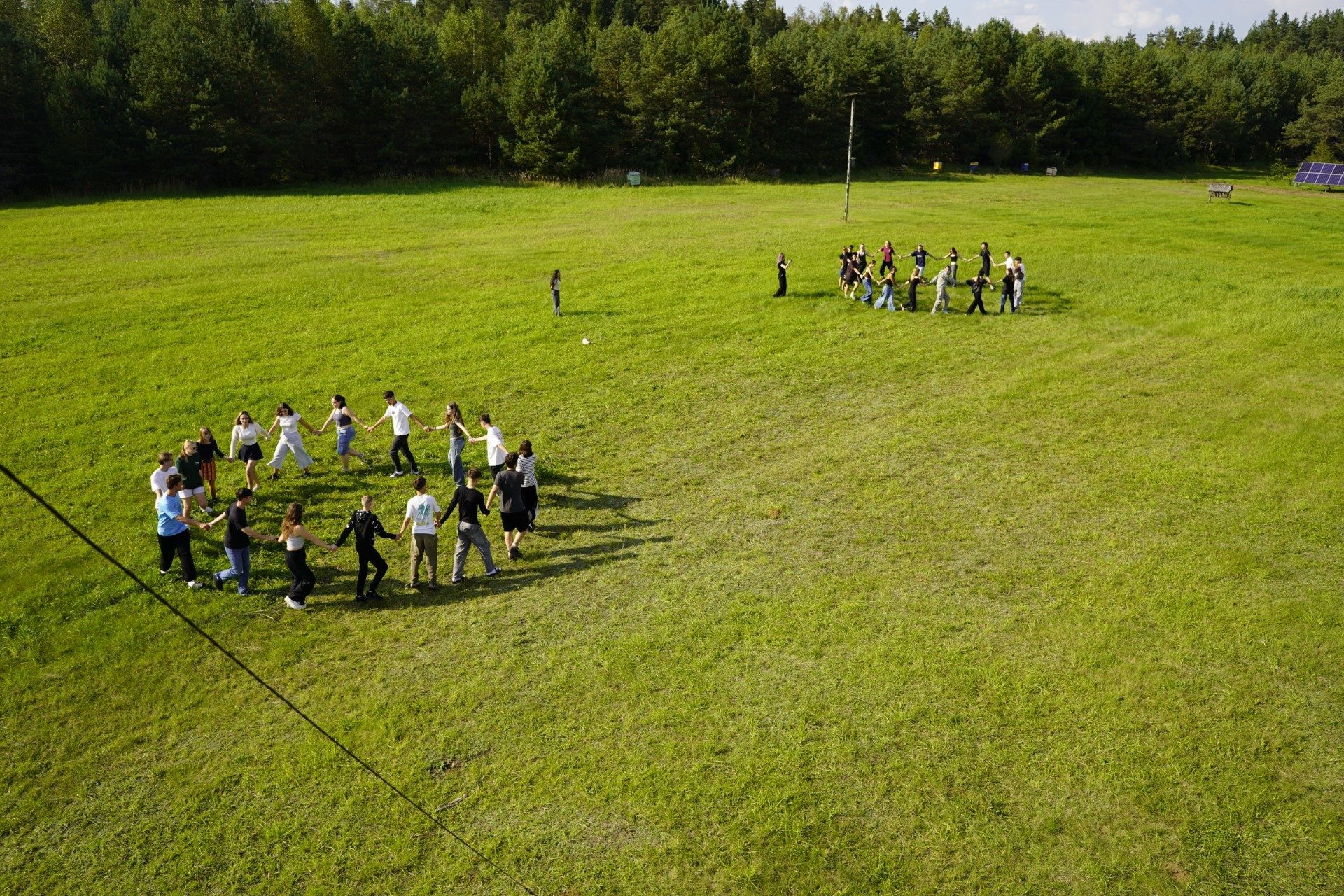
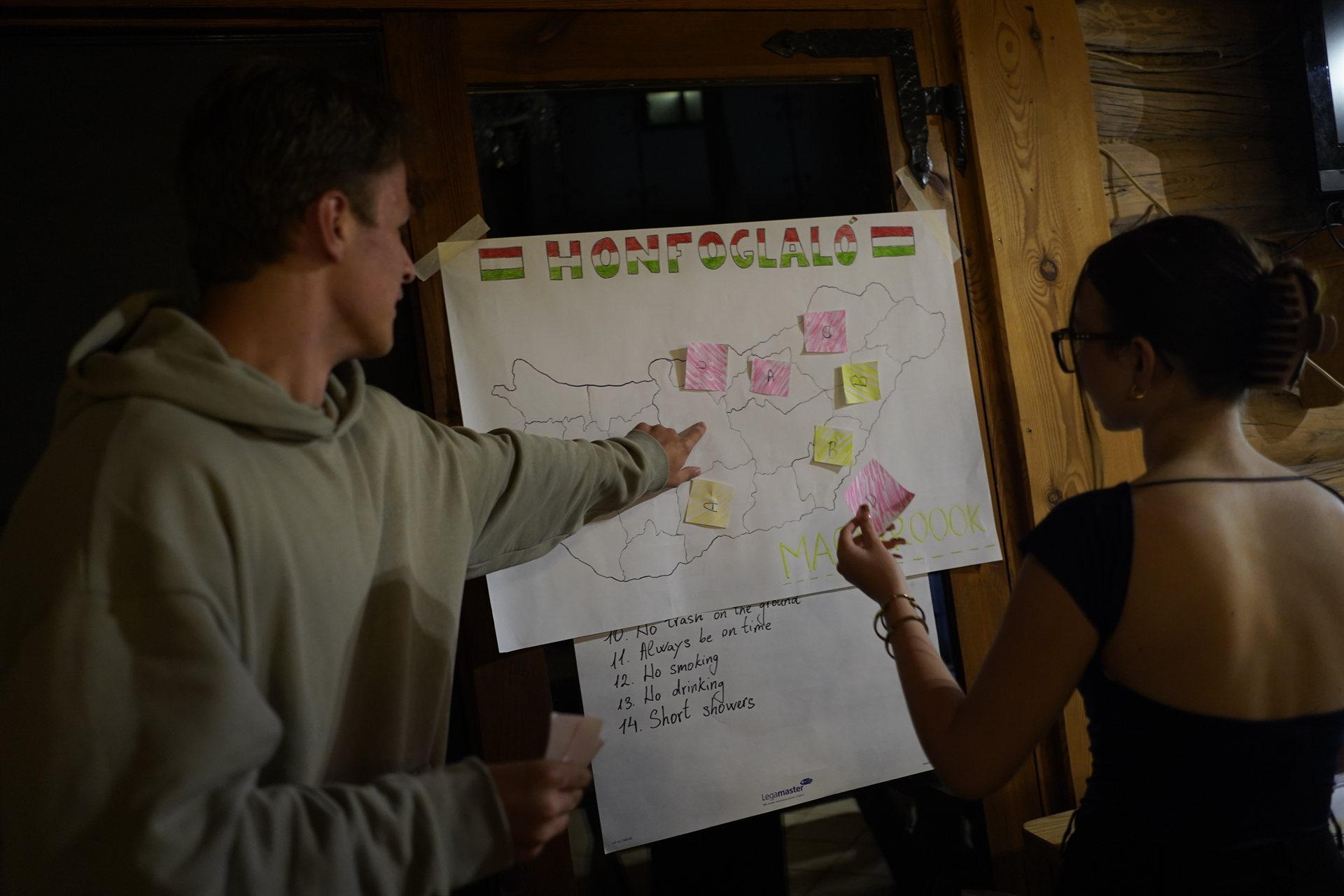
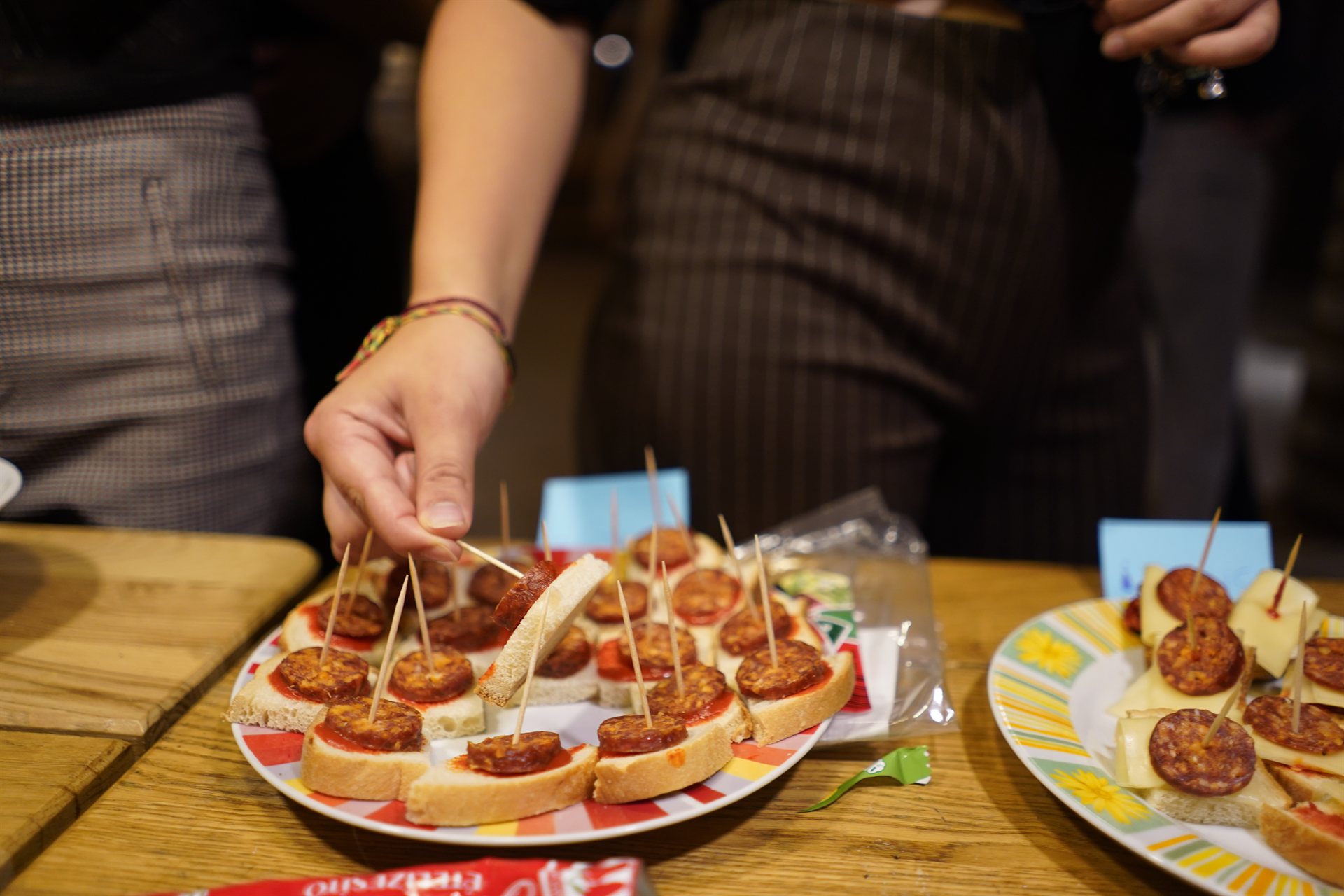
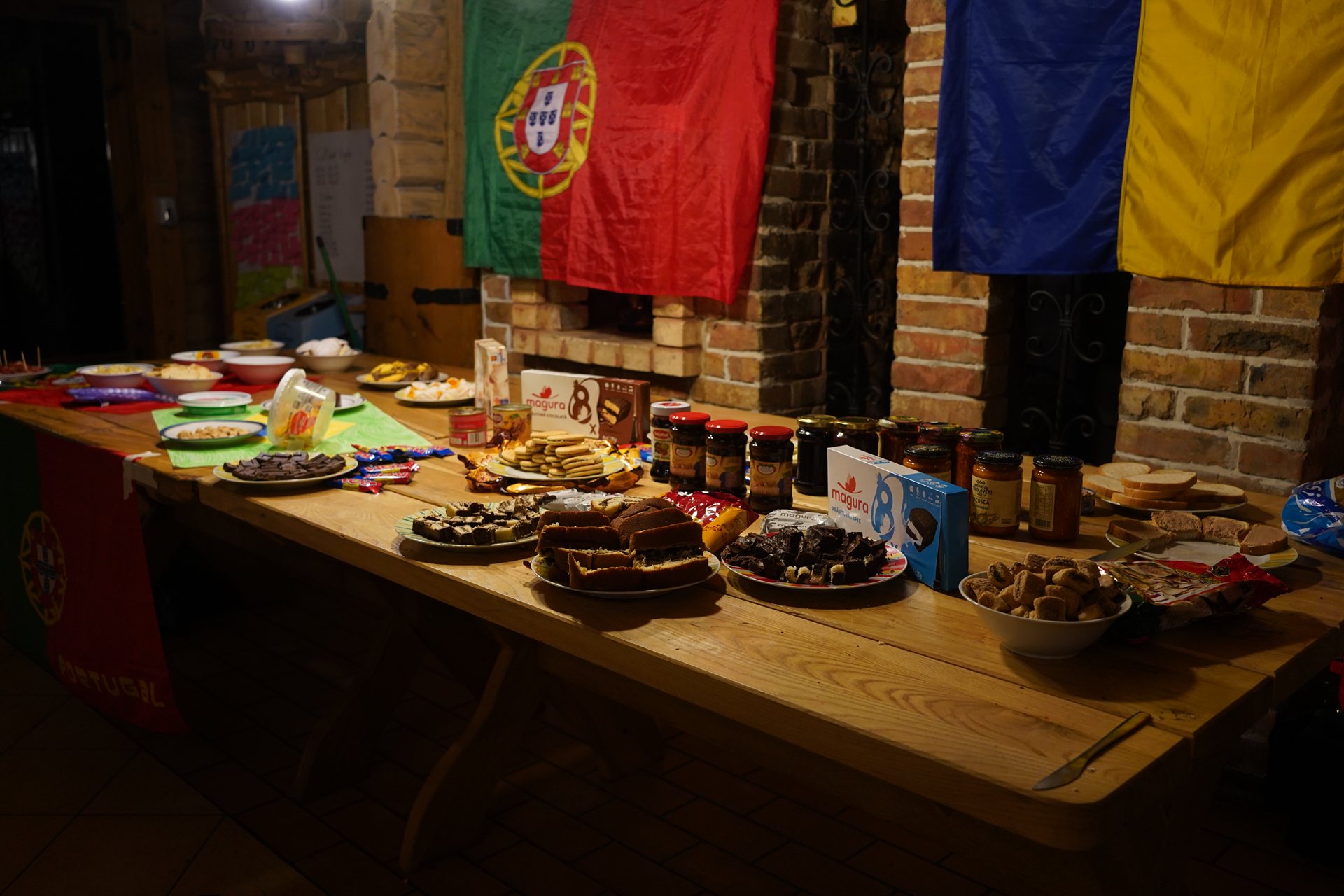
Not all of the learning happened in session rooms. Across three evenings, pairs of countries took turns hosting a cultural night, and on one of them Hungary set the table. Participants walked the group through a hand-drawn map of the country, laid out platters of Hungarian cured sausage to pass around, then pulled everyone into a clapping circle until the whole room was moving together. It made the week’s quietest case for inclusion: a culture is easiest to respect once you have tasted it and danced to it.

What the Network Carries Forward
Inclusion is easy to agree with and hard to do. What Together We Click gave its participants was the harder, more useful thing: practice. They left Labanoras able to name the forms discrimination takes, recognise the barriers others live with, and reach for a concrete response rather than a sympathetic shrug. The line that scattered across the room on the first day had made the point words rarely manage: where you stand often comes down to a roll of the dice, and noticing that is where inclusion begins.
Across the network, that is the result we look for. Forty-five young people from six countries went home as people their schools, friends, and communities can now learn from. Together We Click was part of AKKK’s Erasmus+ Accreditation, co-funded by the European Union.
Photo Gallery
A few more moments from this activity :)

Check these and more photos in the activity’s photo album.