A room goes quiet. On the screen, a sixty-second film plays out with not a single word spoken, and by the end everyone has understood the same thing without being told it. The film is called Close your app, Open your Life: people trapped behind their screens put the phones down and step outside, into daylight and each other. It lands cleanly in a language the whole room already shares. That was the moment, during the Silent 60 exercise, when the question stopped being abstract for our participants. If you can carry a whole idea to a stranger in a minute, without a single word, what exactly is the rest of the noise for?
Close your app, Open your Life: the wordless sixty-second film that opens this story.
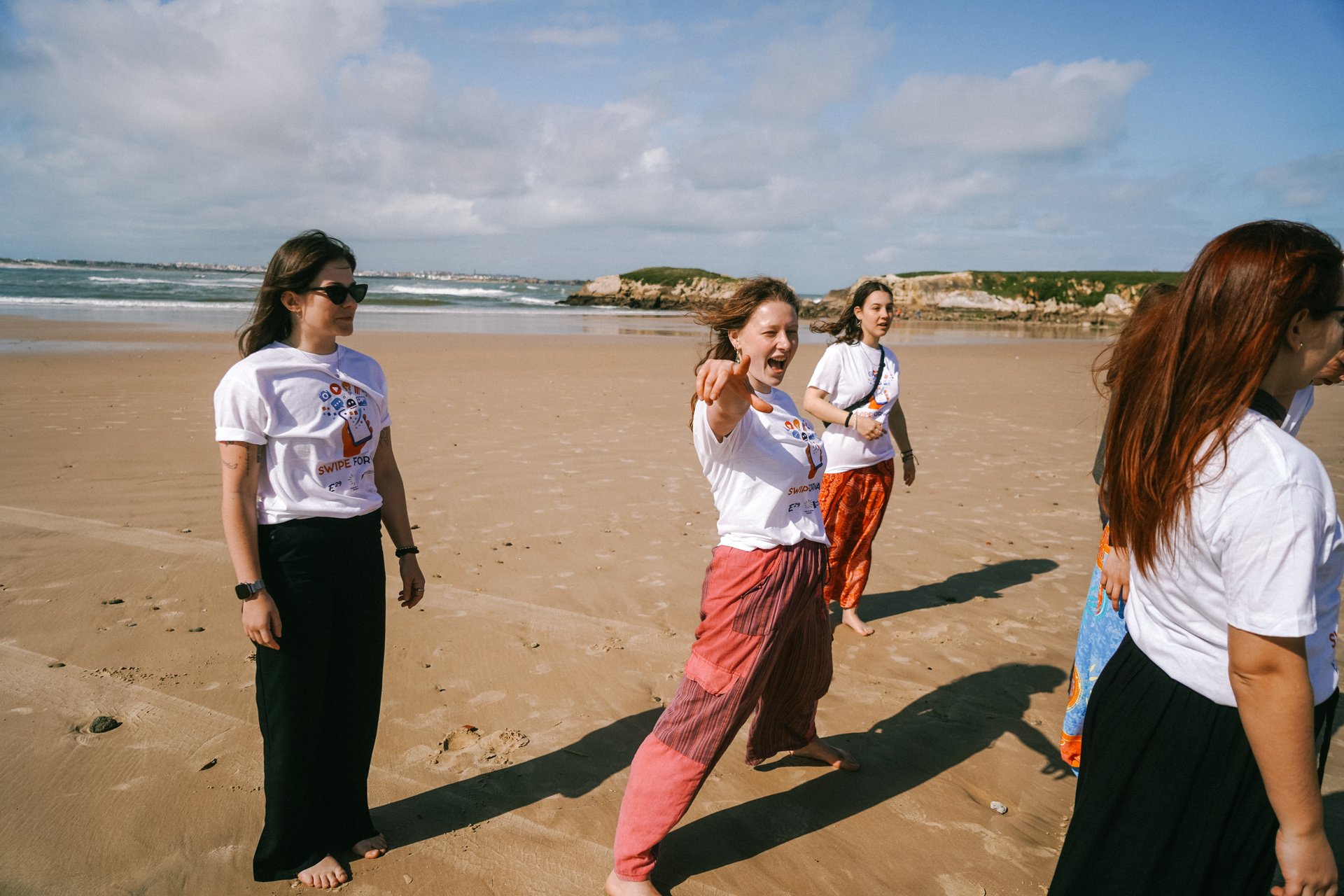
This question ran underneath the whole Swipe Forward Youth Exchange in Ferrel, on the Portuguese Atlantic coast. E29 took part as the Hungarian partner: we sent a group of young people from Hungary to join participants from four other countries, with CJE coordinating and hosting. They arrived ready to stop being an audience for the feed and start being the people who make it.

Reading the feed before remaking it
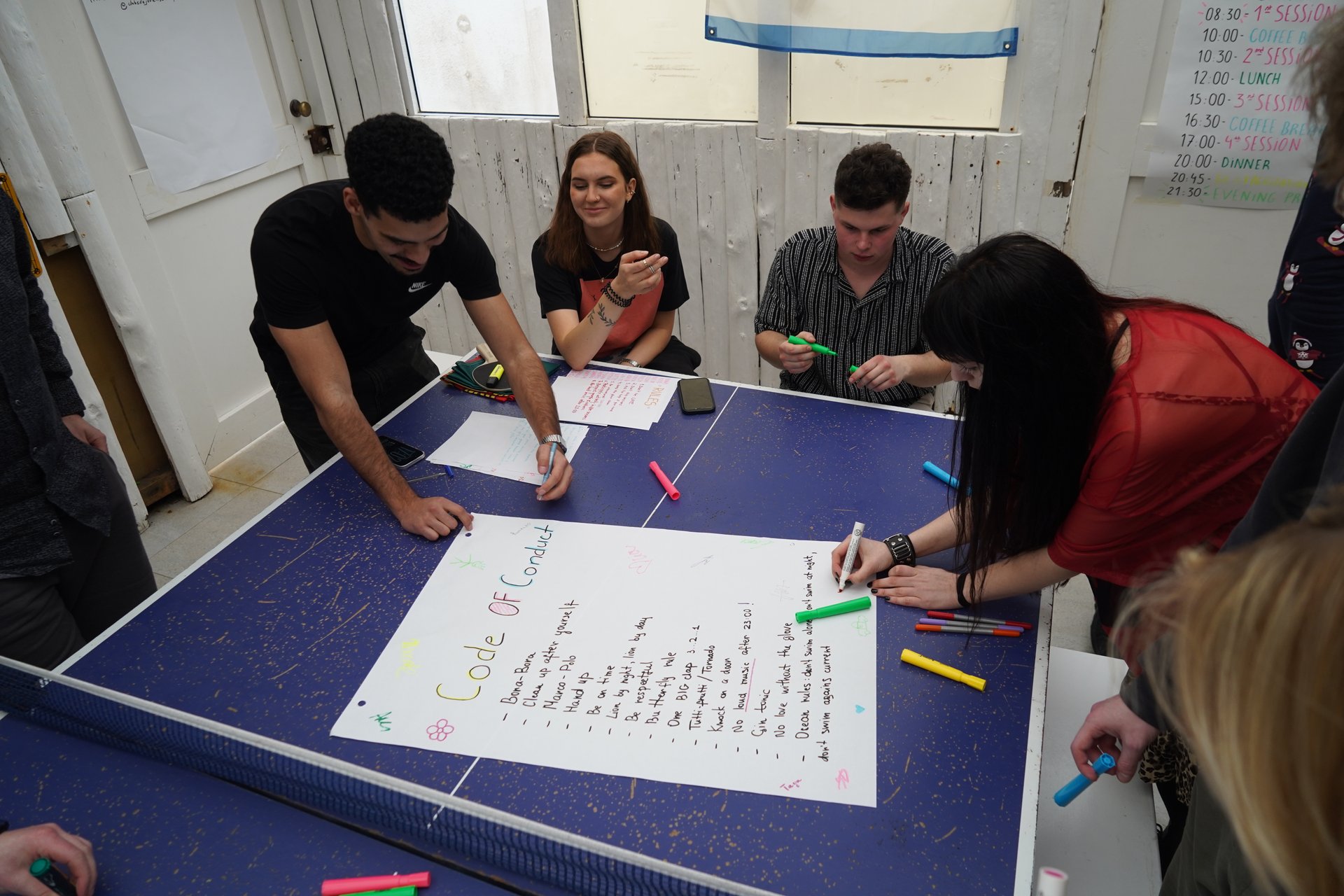
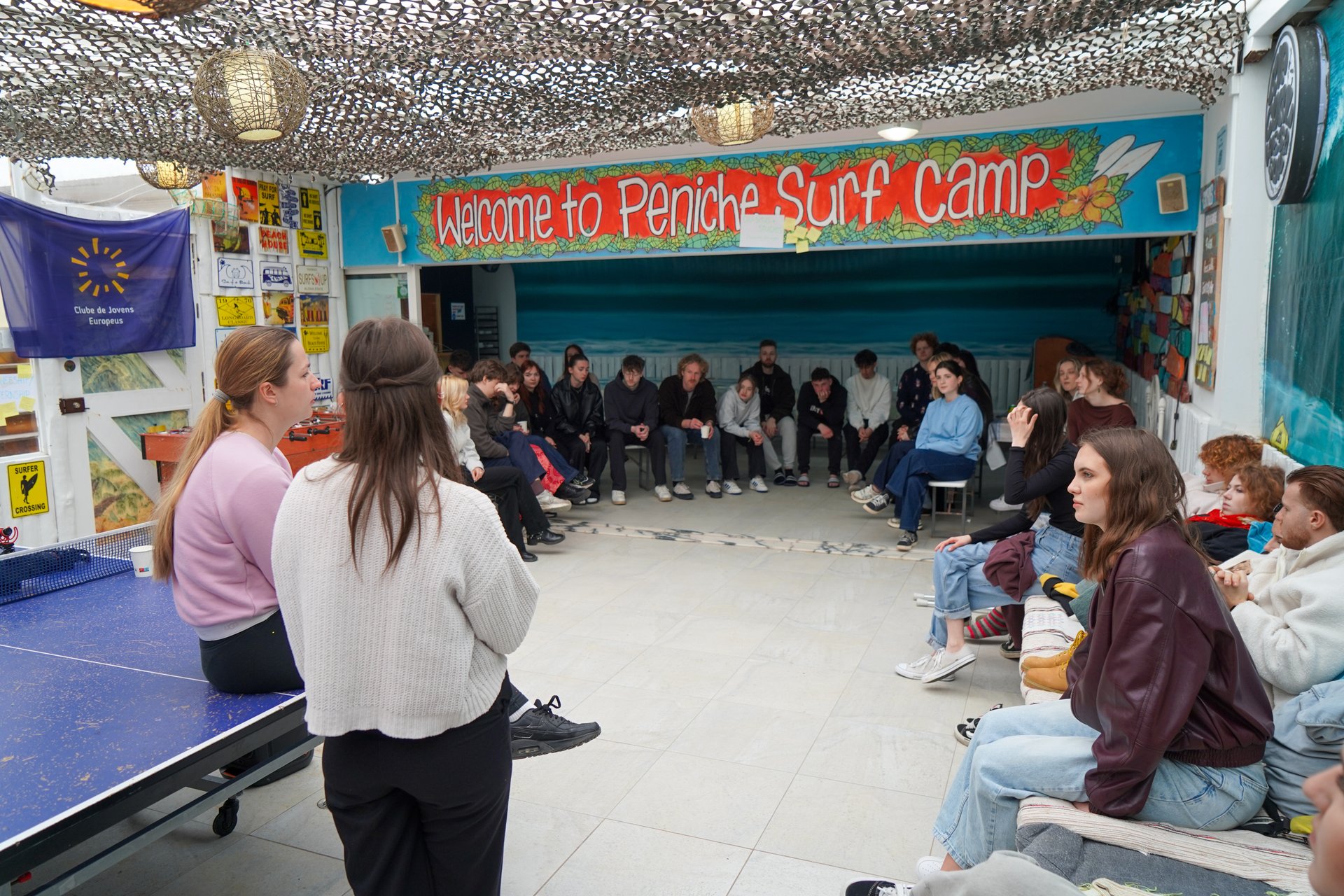
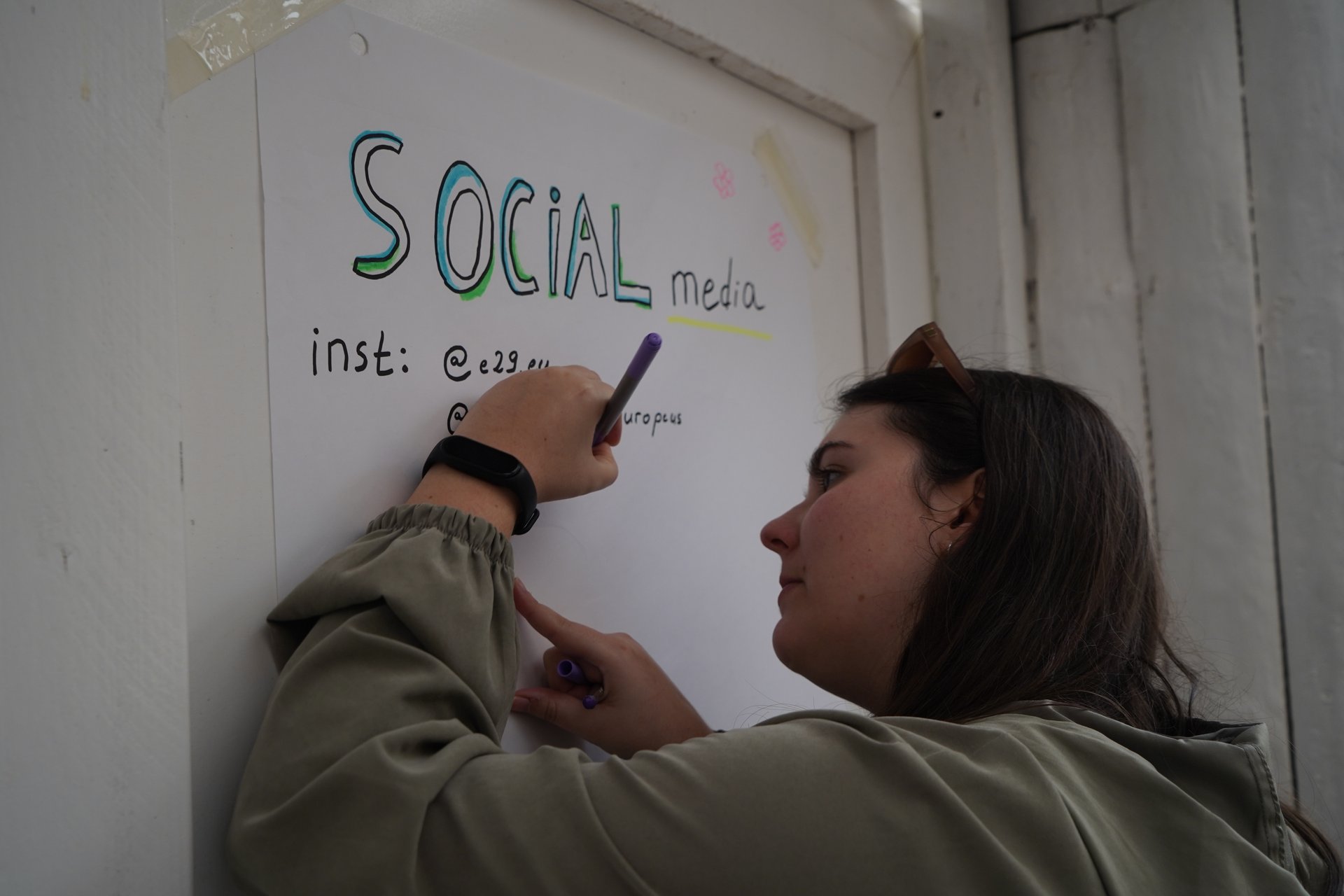
Before anyone touched a camera, the group had to become a group. Young people from five countries spent the opening day building the trust the rest of the week would run on. Rather than being handed a set of rules, they wrote their own on a flipchart, “Our Youth Exchange Agreement”, and adopted it line by line until everyone could stand behind it, then named their fears, expectations and what each of them would bring.
The looking came next, and it was the hinge of the week. In a session called From Scrollers to Creators, everyone pulled up their last ten scrolls and examined them honestly, sorting what they found by three questions: what grabbed their attention, what moved them emotionally, and what was actually built with an intention behind it. Most of what we scroll, it turned out, is the first two doing the work of the third. Naming that out loud changed how the group watched everything that came after; you cannot remake something you have not first looked at clearly.
Tools in five sets of hands
Something worth recording, because it is easy to miss from the outside: the sessions were run by the participants themselves. The group set up rotating support roles and staffed them in turn. A Recap Team opened each morning by replaying the day before. An Energiser Team read the room and broke the slumps. A Media Team documented as they went, so the week could later tell its own story. A Wellbeing Team kept an eye on the quieter signals, the people fading at the back. Responsibility was not delegated to anyone in charge; it was passed around the table and held.
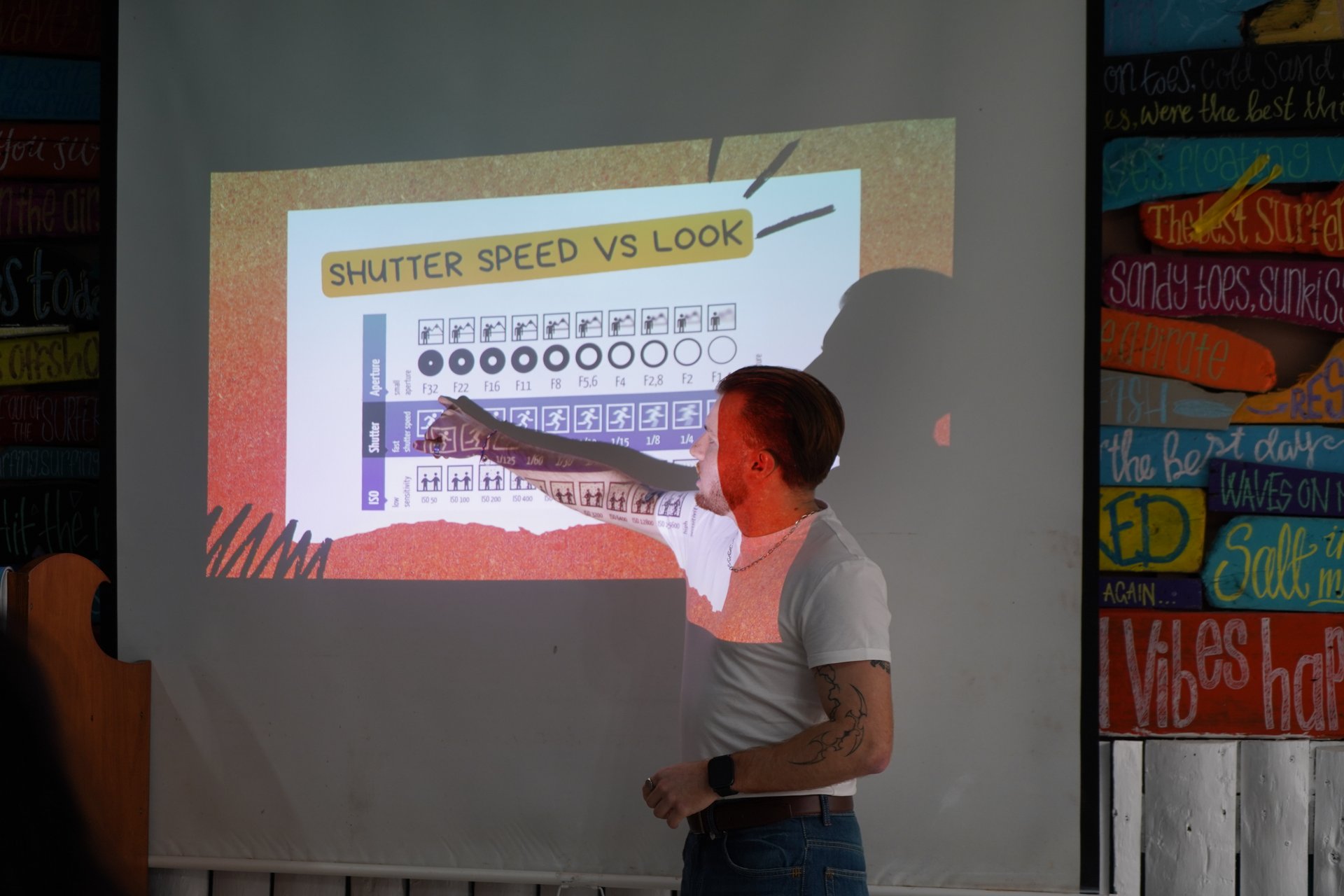
That habit carried straight into the hands-on work. In Introduction to Cameras the group learned what a frame includes and, more usefully, what it leaves out. Graphic Design and Branding and Logo and Brand Design turned the same instinct toward type, colour and mark, with teams building a full visual identity for a topic of their own choosing. None of it arrived as a lesson to sit through; people built things, broke them, and built them again.
When the machine joins the table
Then the machine pulled up a chair. In Creative Process With AI, the teams that had just designed their own logos by hand asked an AI to design the same thing, and set the two side by side. The conversation that followed was the actual point: where the human version carried a decision the AI version only carried an average, where the model’s polish hid its bias, and what it means to put your name on something a machine made most of.

The Rebrand It challenge raised the stakes and shrank the clock. Each team was handed a random social issue or everyday object and given sixty minutes to come back with a new logo, a slogan and a visual concept. The idea of borders came back as Divided by Borders, Connected by Friendship. The exercise made the trade plain: the machine is fast and tireless, but intention, taste and the reason a thing should exist still come from the people at the table. The machine joins the table; it does not get to sit at its head.
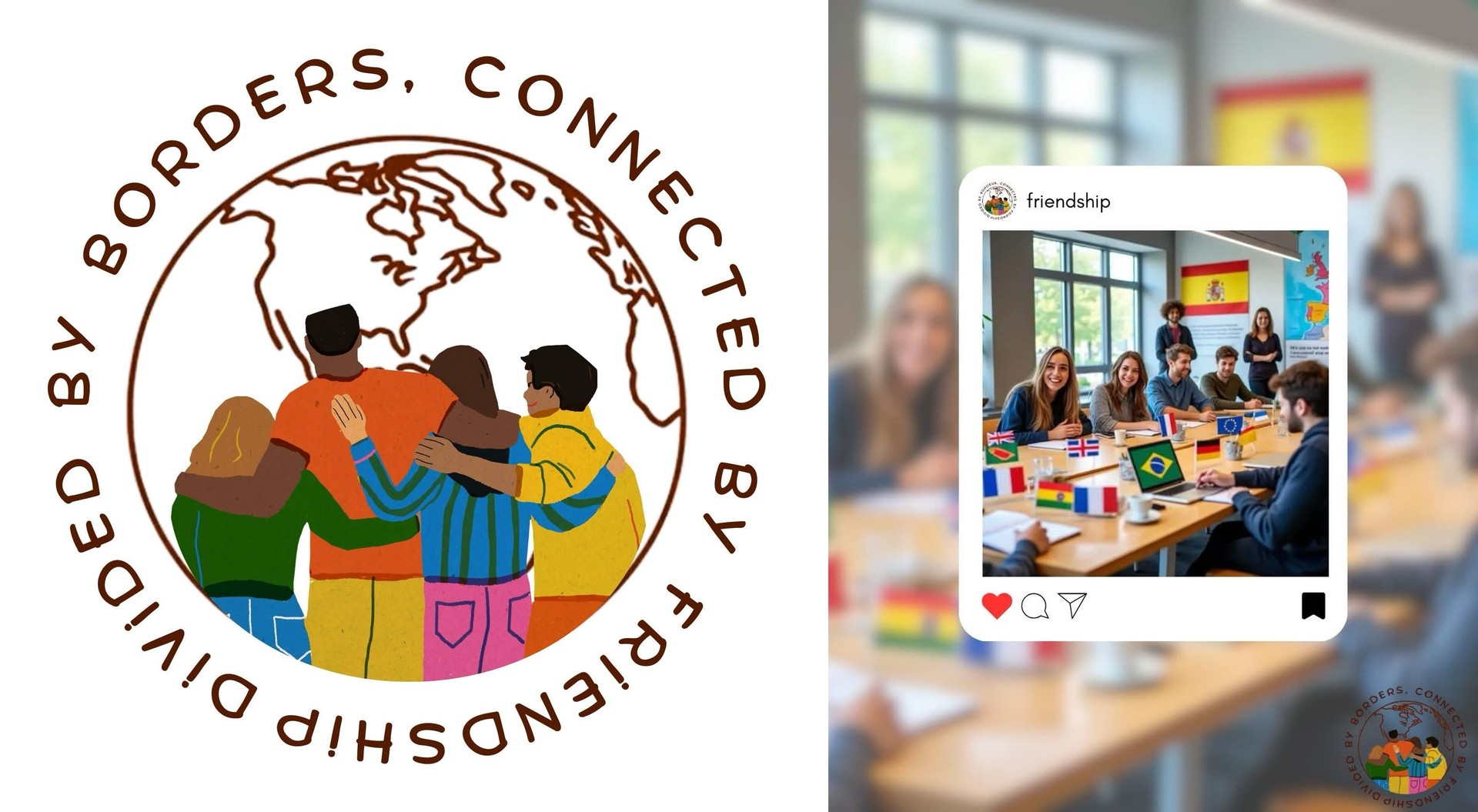
Divided by Borders, Connected by Friendship: sixty minutes turning a heavy word into something warmer.
Five campaigns, one screen
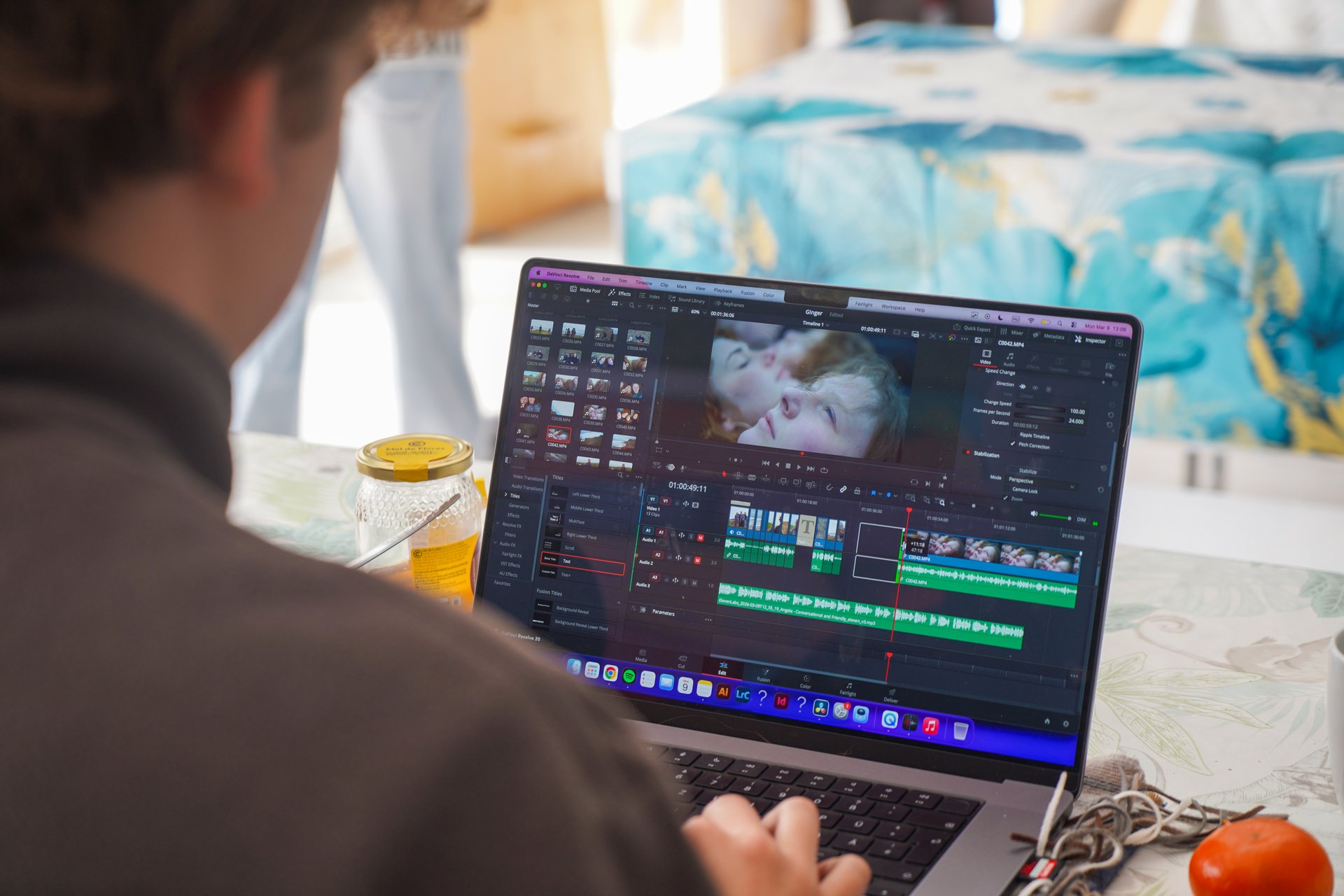
With the tools in hand and the feed read for what it is, the teams turned to making something aimed outward. Through a Campaign Production Sprint, each group picked a format and pushed an idea all the way to a finished piece: concept, visual identity, storytelling, and a plan for how it would actually reach people. Most worked in video; one built its entire message out of still photographs. The range was the proof. A quiet documentary about Peniche and its identity, Peniche with a Different Perspective, sat next to a three-part mockumentary on influencer culture, a piece on screen-time, an interview built around a band, a stereotype turned on its head, and a letter to a younger self.
Peniche with a Different Perspective: a documentary the team made about the town that hosted them.
When the teams presented, the same screen that had been the source of all that passive scrolling now showed work the group had made on purpose. That reversal, from consuming the feed to authoring it, was the whole arc of the week compressed into a few minutes of playback.
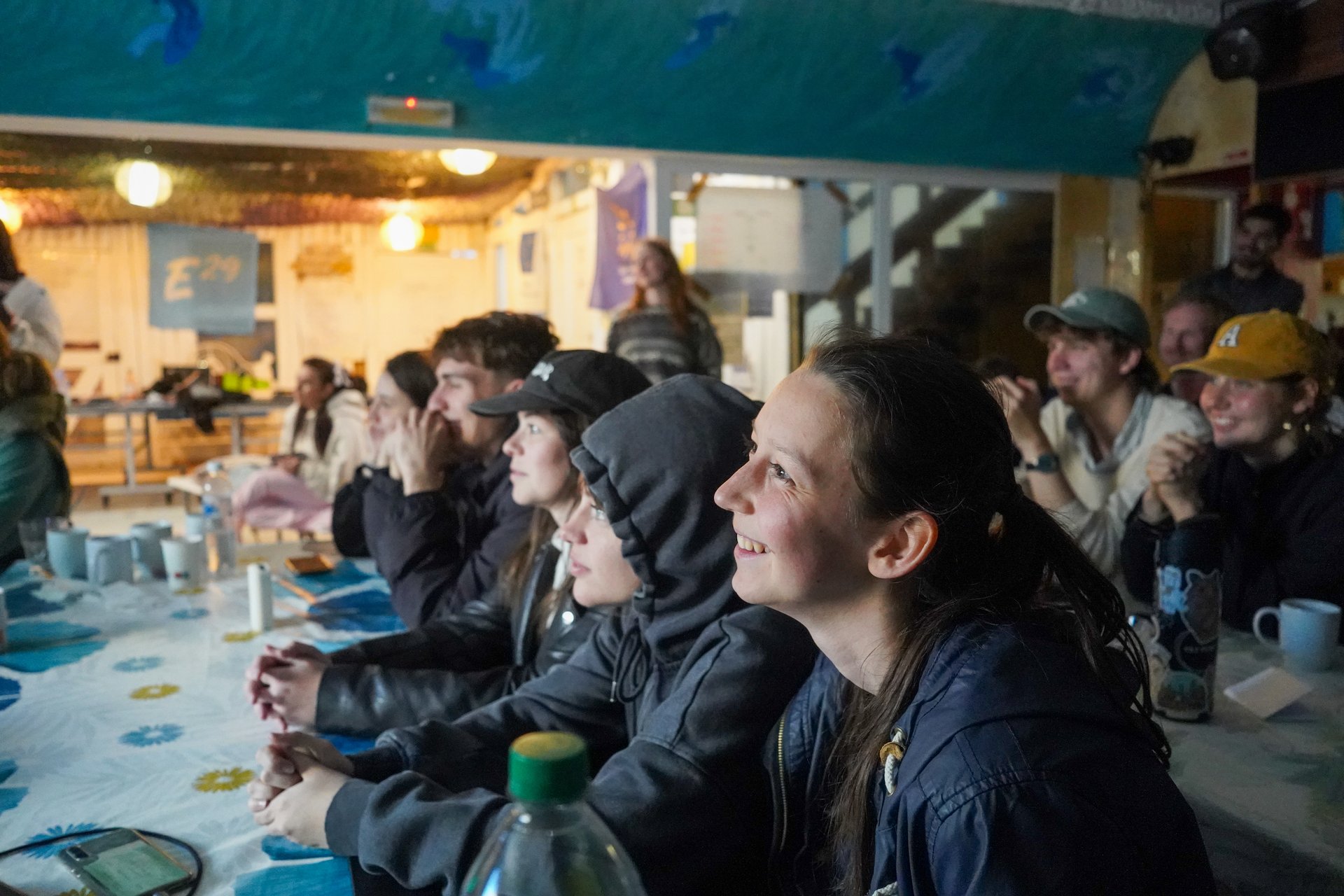
What digital literacy looked like
By the final days, with the Final Evaluation done and Youthpass certificates in hand, it was clear that digital literacy here had never meant a list of apps. It looked like a group that could tell signal from noise, name the intention behind a piece of content, work an AI tool without handing it the wheel, and carry an idea to a stranger in sixty wordless seconds. Our participants brought that back to Hungary with them, and it keeps working long after the room in Ferrel goes quiet. The week was part of CJE’s Erasmus+ Accreditation, and we were glad to be in it as a partner.

Photo Gallery
A few more moments from this activity :)
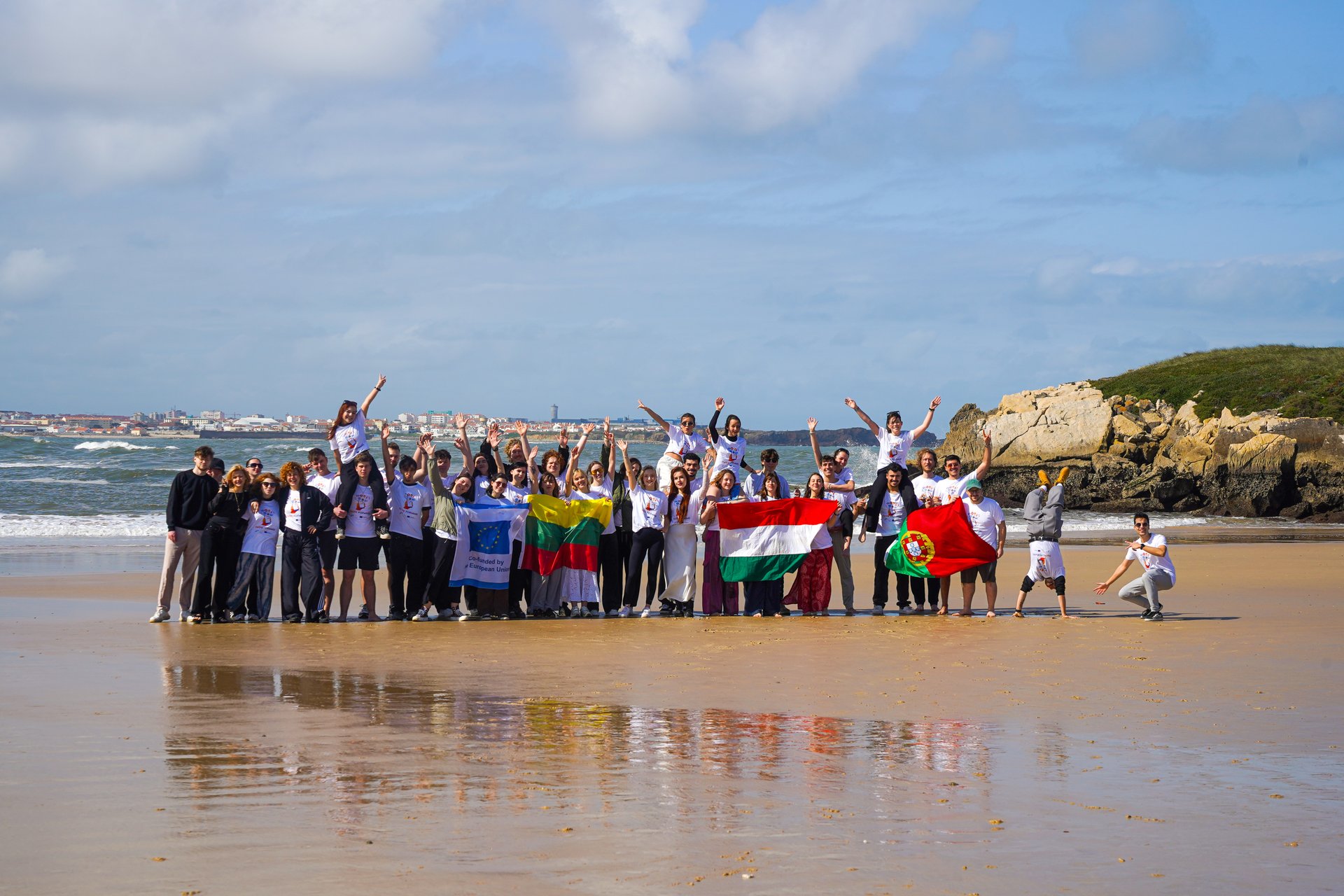
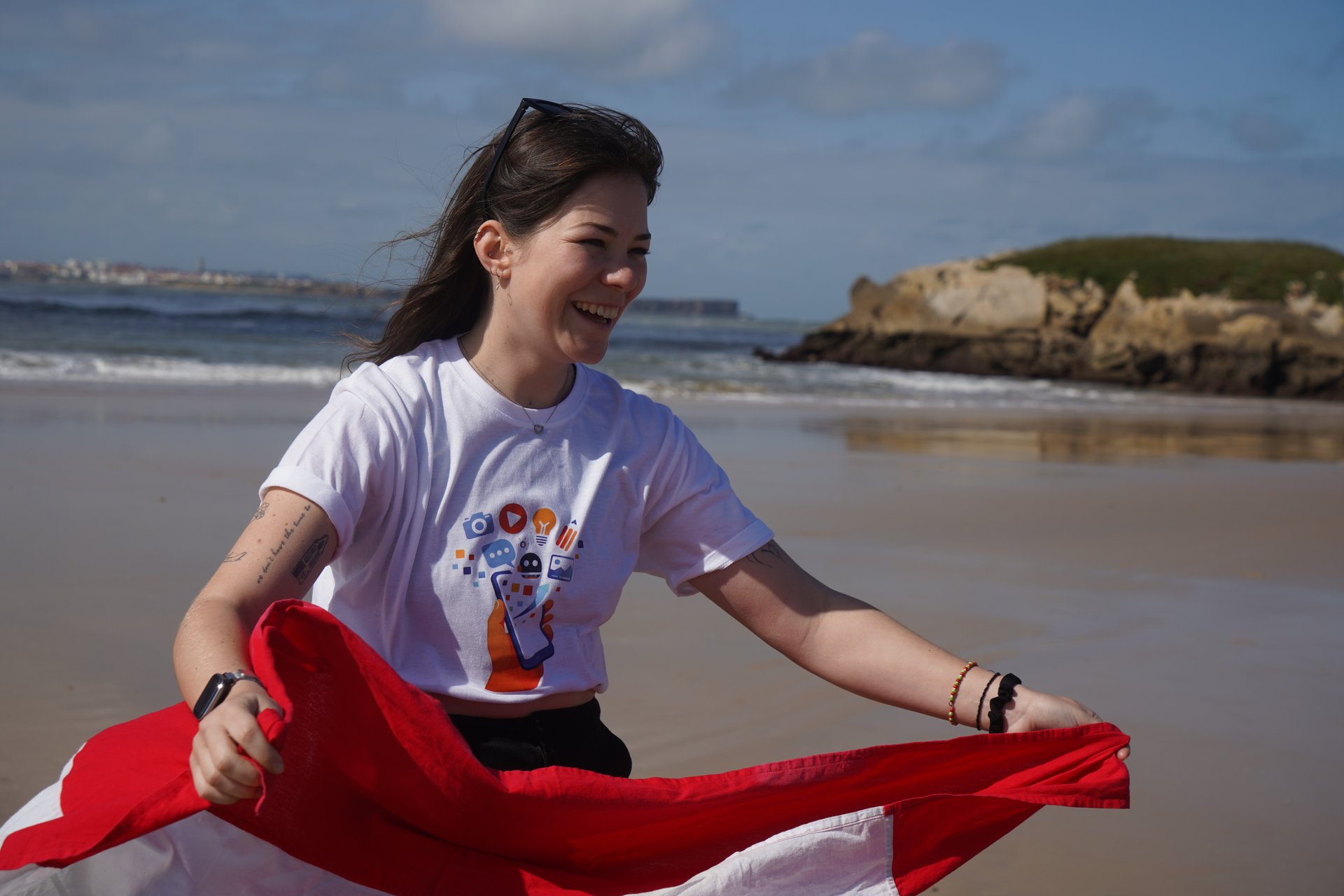
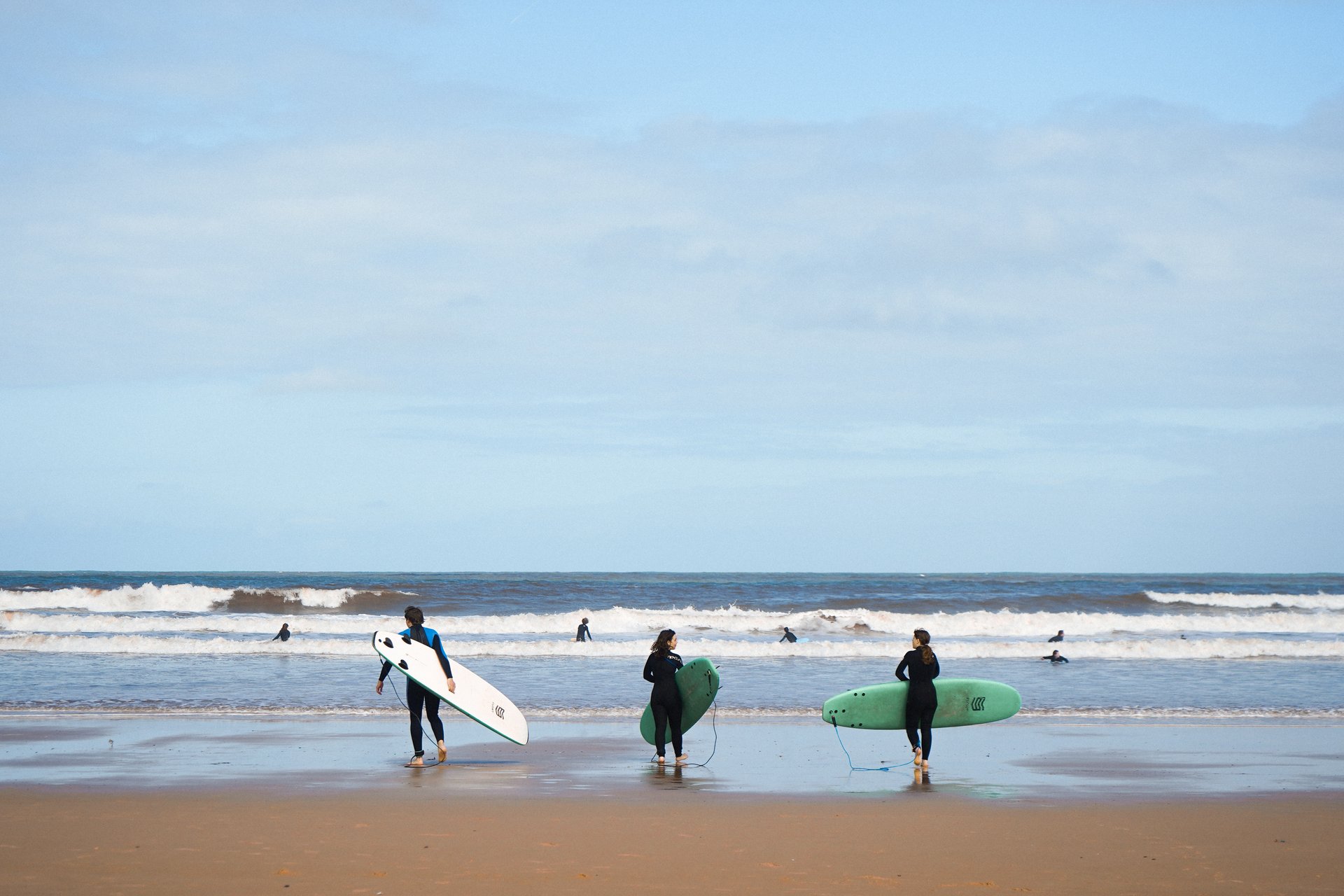

Check these and more photos in the activity’s photo album.