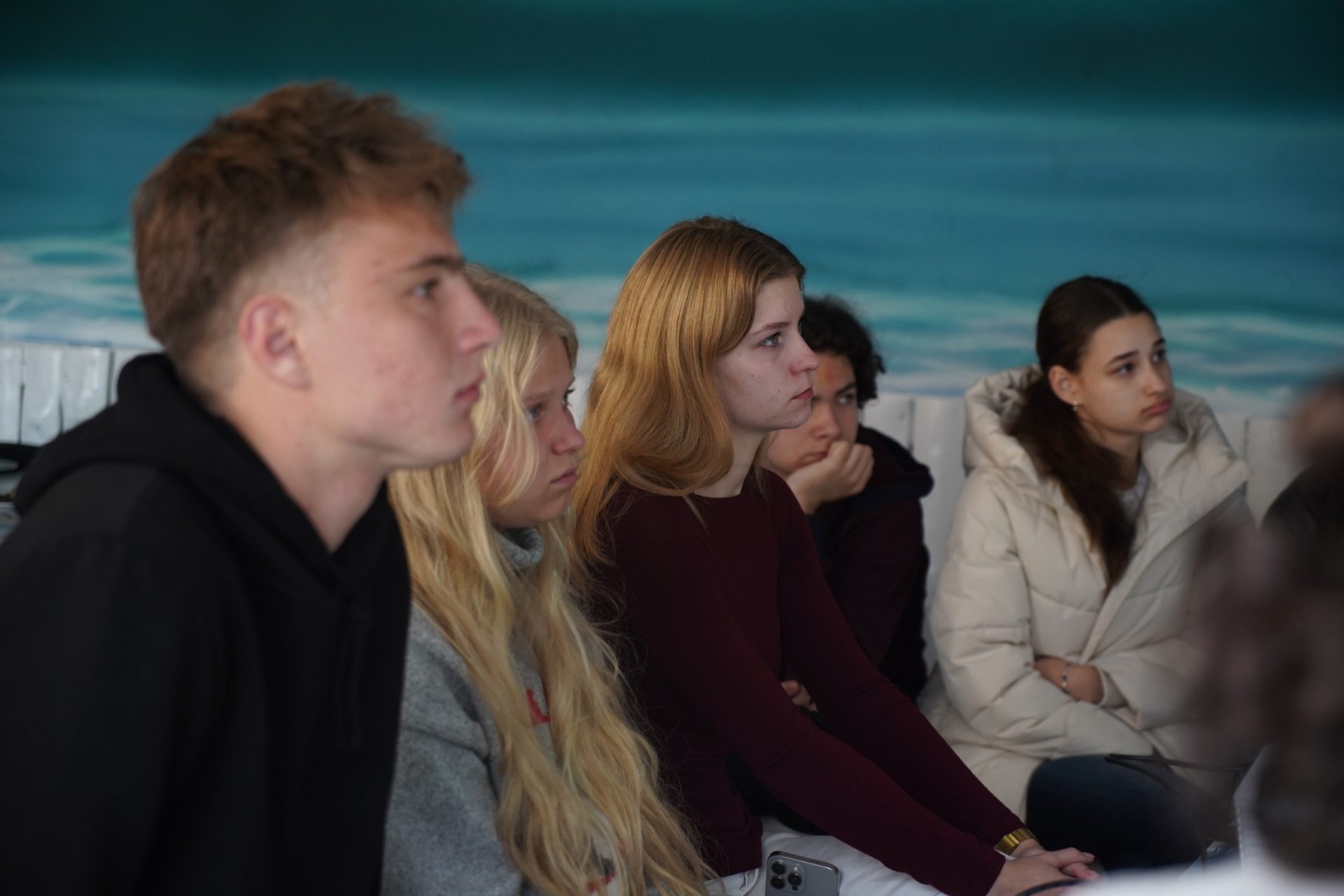
The increasing popularity of hiking in the West Carpathian Mountains has led to a concerning rise in accidents, including fatalities. Many people are drawn to hiking due to its accessibility and the numerous physical and mental benefits it offers, such as improved fitness, better sleep, and stress reduction. However, this accessibility can lead to an underestimation of the potential dangers involved.
The good news is that most of these accidents can be avoided. Hike Smart is a Sport Cooperation Partnership Project co-funded by the European Union. It seeks to address this issue by promoting safety in hiking activities throughout the West Carpathian Mountains. This project aims to improve the knowledge and expertise of staff members from partner organisations and to develop a series of educational videos that contribute to hiking safety.
Key Results
- Events
- 15
- Participants
- 240
- Countries
- 4
Activities
One of the project’s key components was an international training programme in Slovakia that brought participants together for an intensive learning experience. The training facilitated the exchange of best practices, enhanced participants’ skills in organising safe hiking activities across diverse terrains, equipped them with the knowledge to respond effectively to emergency situations, and strengthened the capacity of partner organisations to promote hiking safety.
The project also involved local activities to promote safety in hiking in Czechia, Hungary, Slovakia and Portugal. These involved a combination of safety workshops, hike activities, and evaluation and feedback sessions, aiming to engage 35-55 participants in each location.
-
 Sport Event
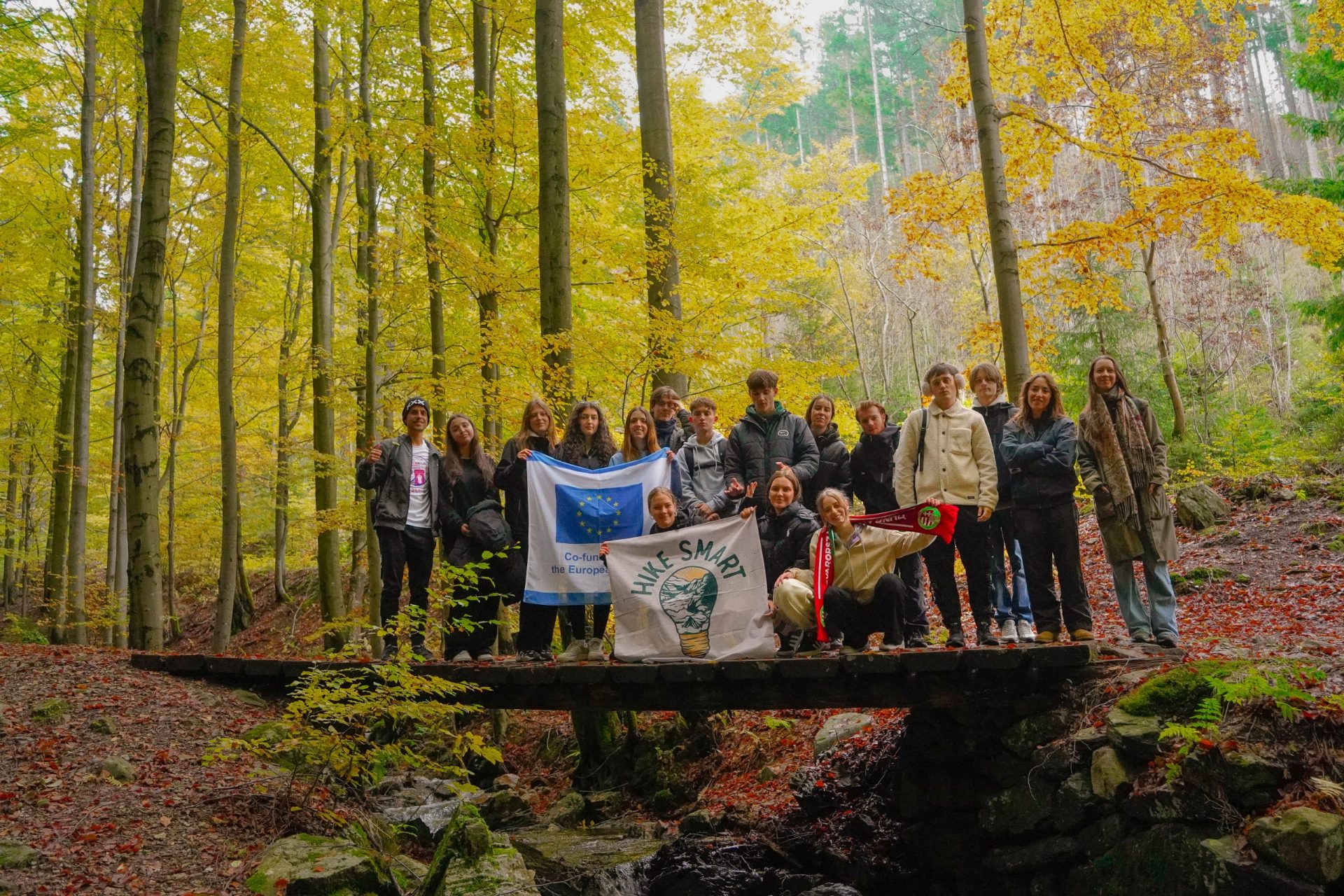
Hike in Krkonose
An enjoyable hike in the Krkonoše Mountains, filled with mountain views, waterfalls, and shared moments in nature. A day of movement, connection, and good energy on the trail.
Krkonose Mountain, Czechia#czechia#Hike#Hike Smart#Hiking#Krkonose Mountain -
 Sport Event
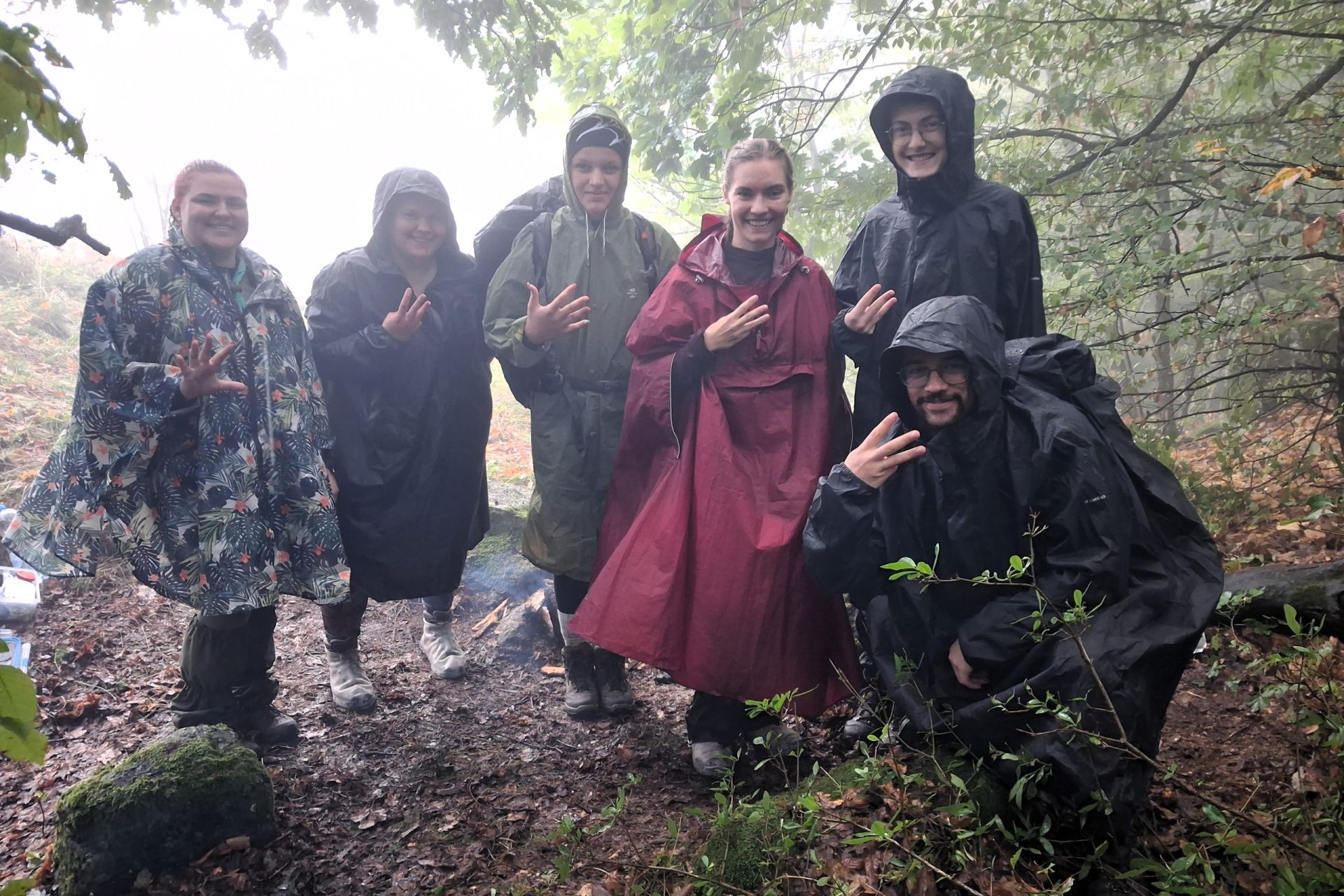
Hike in Cerova vrchovina
A hike through Slovakia’s volcanic heartland, where rain gave way to sunshine and movement met discovery.
Cerova vrchovina, Slovakia#Cerová vrchovina#Hike#Hike Smart#Hiking#Slovakia -
 Sport Event
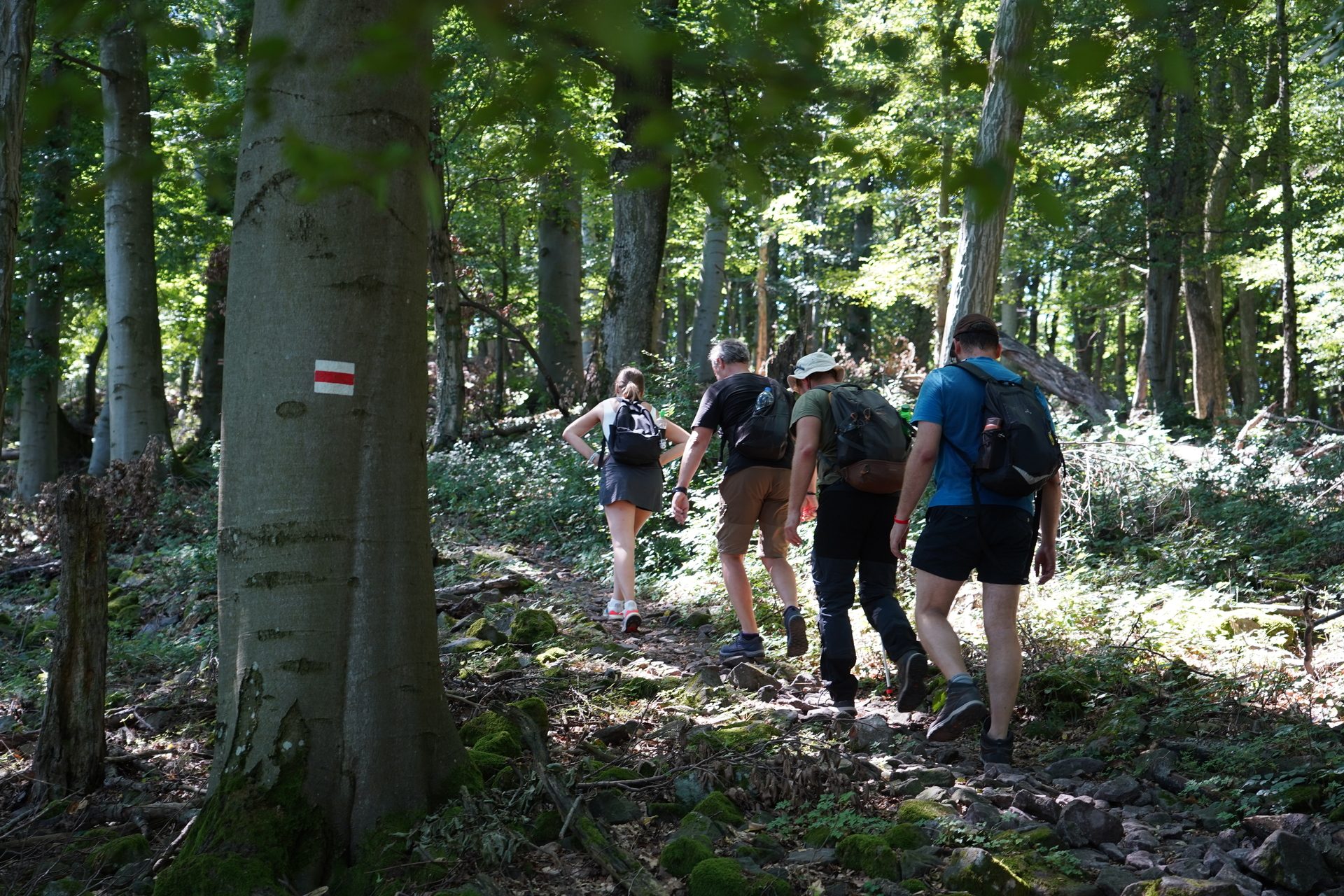
Hike in Kemence
In August of 2025, participants hiked through a picturesque and intensive route through the Börzsöny mountain-side where they got to meet with like-minded people and had the opportunity to learn about safety regarding hiking.
Kemence, Hungary -
 Sport Event
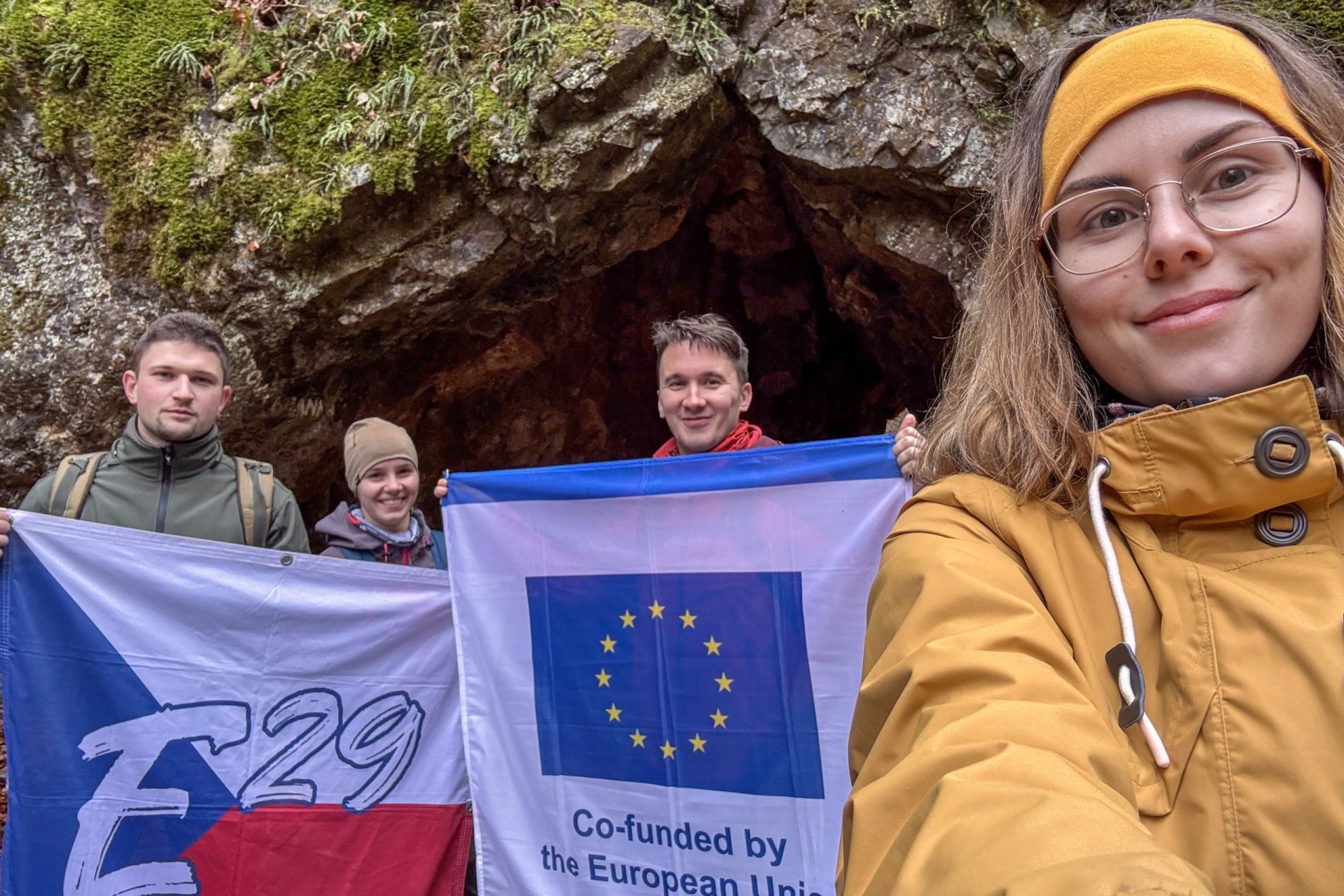
Hike in Moravský Kras
Discover the unique landscapes of the Moravian Karst, where forests, limestone formations, and karst collapses shape every step of this hike.
Moravský Kras, Czechia#Czechia#Hike#Hike Smart#Moravský Kras -
 Sport Event
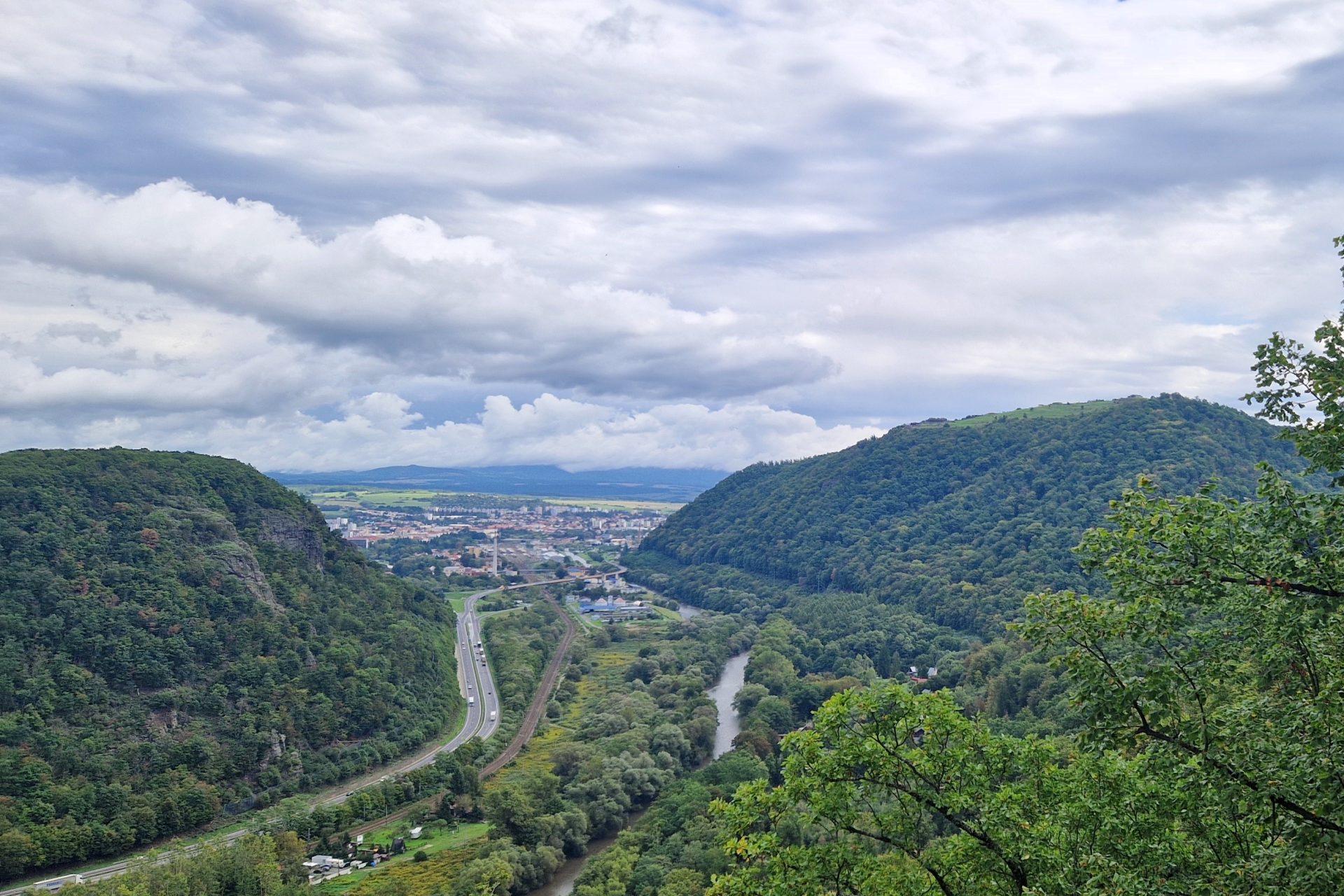
Hike in Zvolenska kotlina
Despite unfavorable weather conditions, participants attended this event, including students from the secondary school in Banská Štiavnica together with their teachers.
Zvolenská kotlina, Slovakia#Erasmus +#Hike#Hike Smart#SK#Slovakia -
 Sport Event
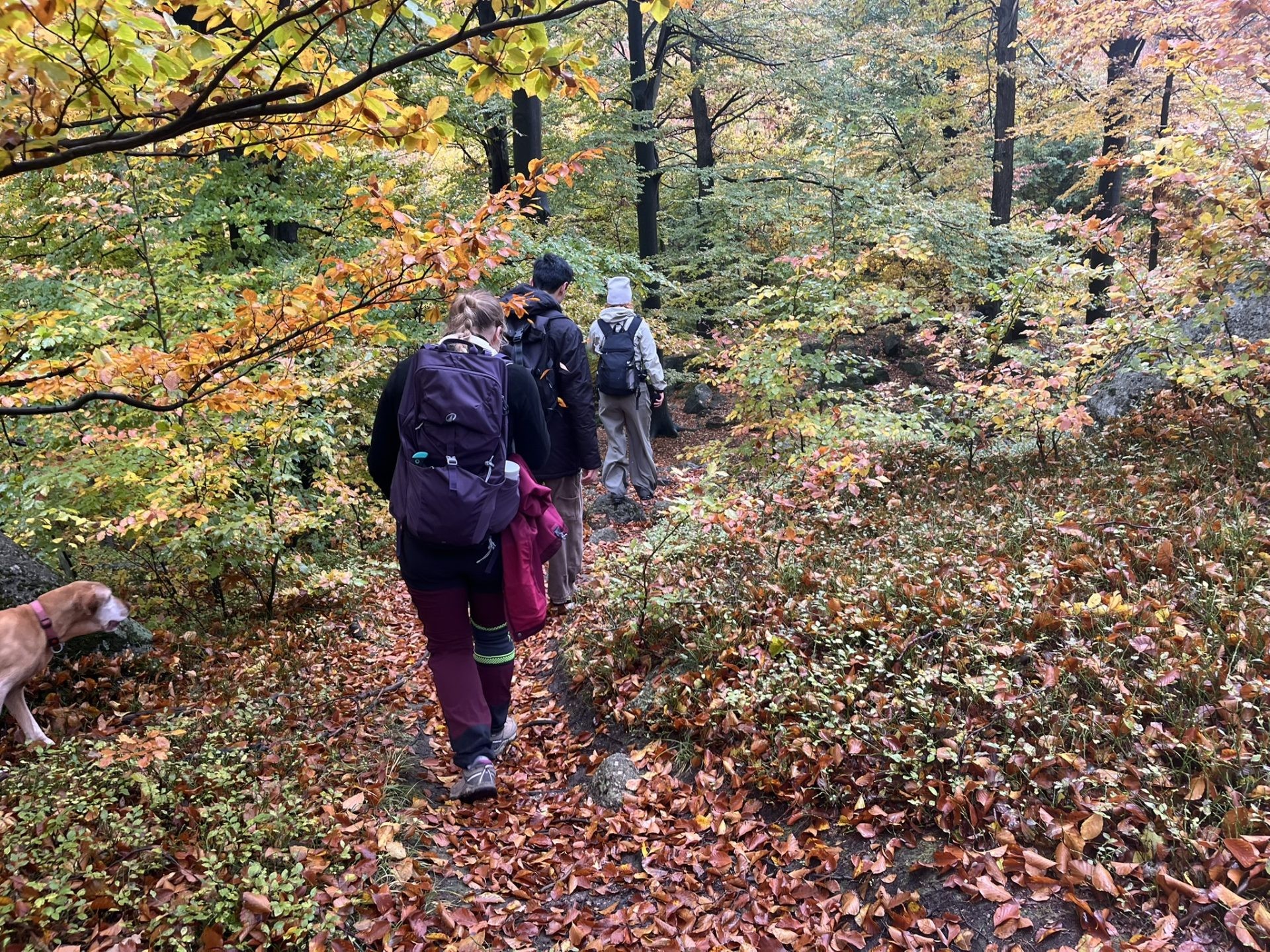
Hike in Jizerske Hory
We explored the Jizera Mountains on a safe and scenic hike. We enjoyed breathtaking views, refreshing waterfalls, and forest trails while connecting with nature and fellow adventurers.
Sněžka mountain, Czechia#Hike#Hike Smart#Jizerske Hory -
 Sport Event
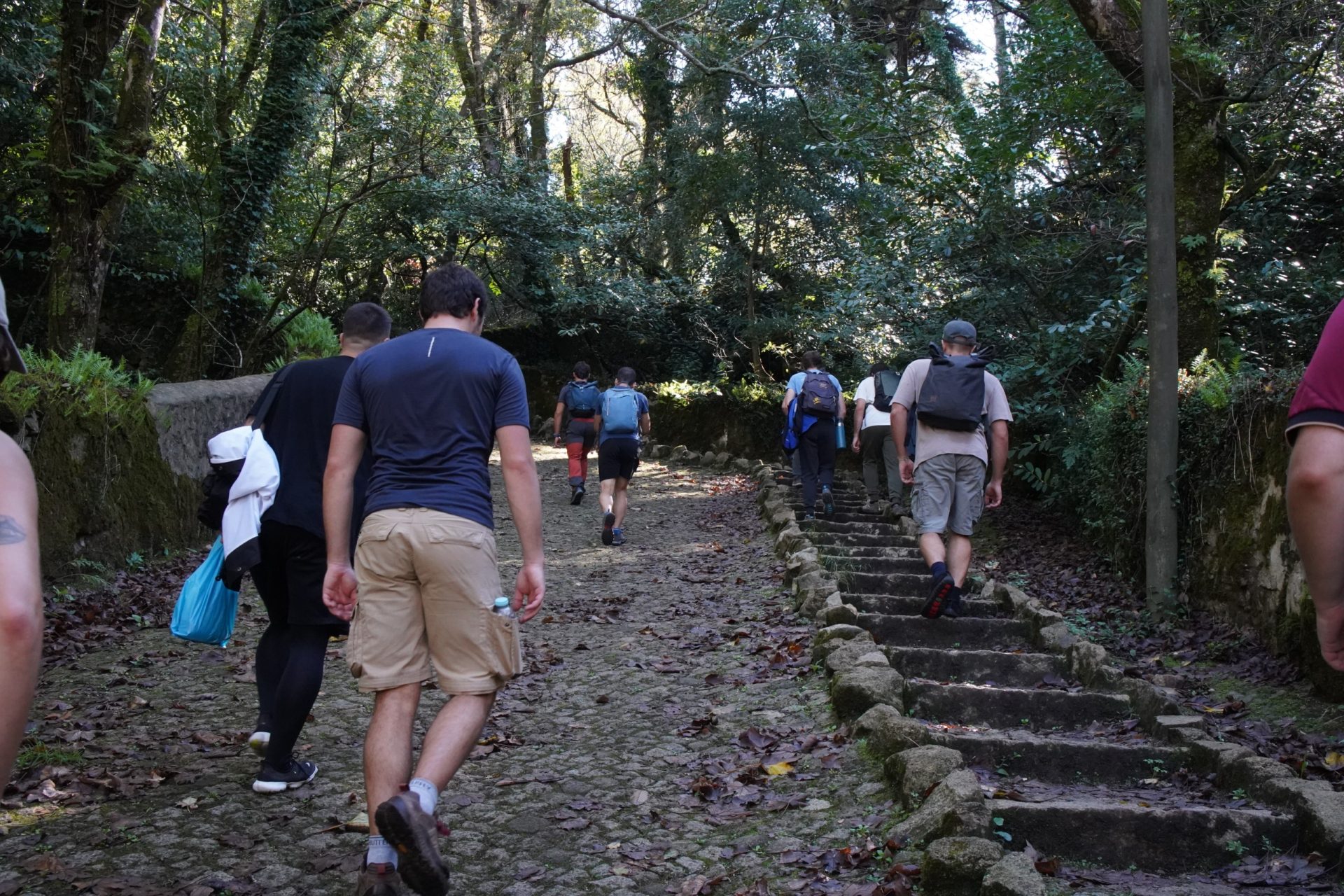
Hike in Sintra
From Sintra's palaces to the Cascais coast! This 23km hike was a test of skill, navigating wild trails, the Blue Lagoon, and chasing the sun.
Sintra, Portugal -
 Sport Event
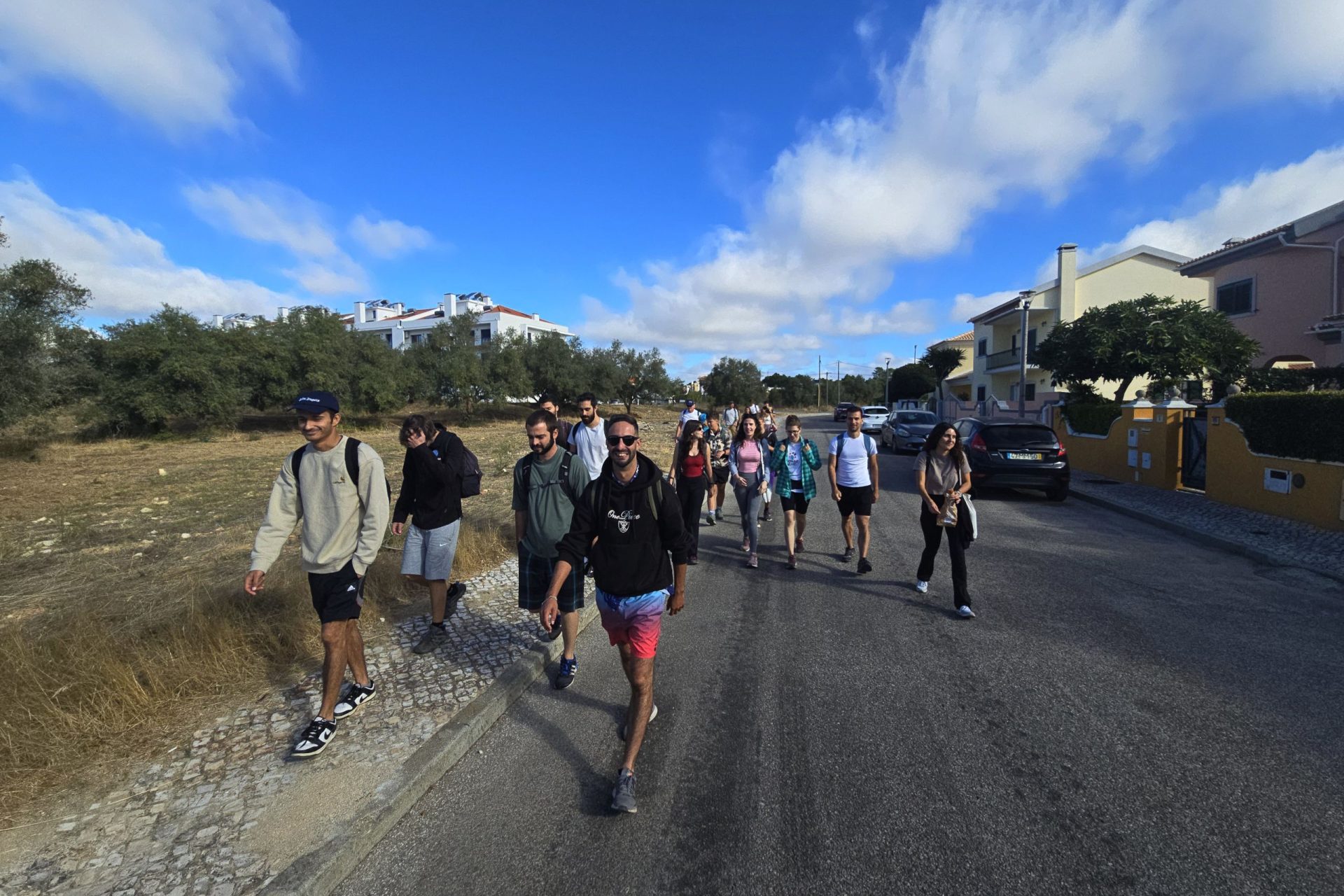
Hike in Arrábida
What a day in Arrábida! 25km of sun, steep climbs, and Sado Delta views. We put our safety mapping to the test and finished with a swim.
Serra da Arrábida, Portugal -
 Sport Event
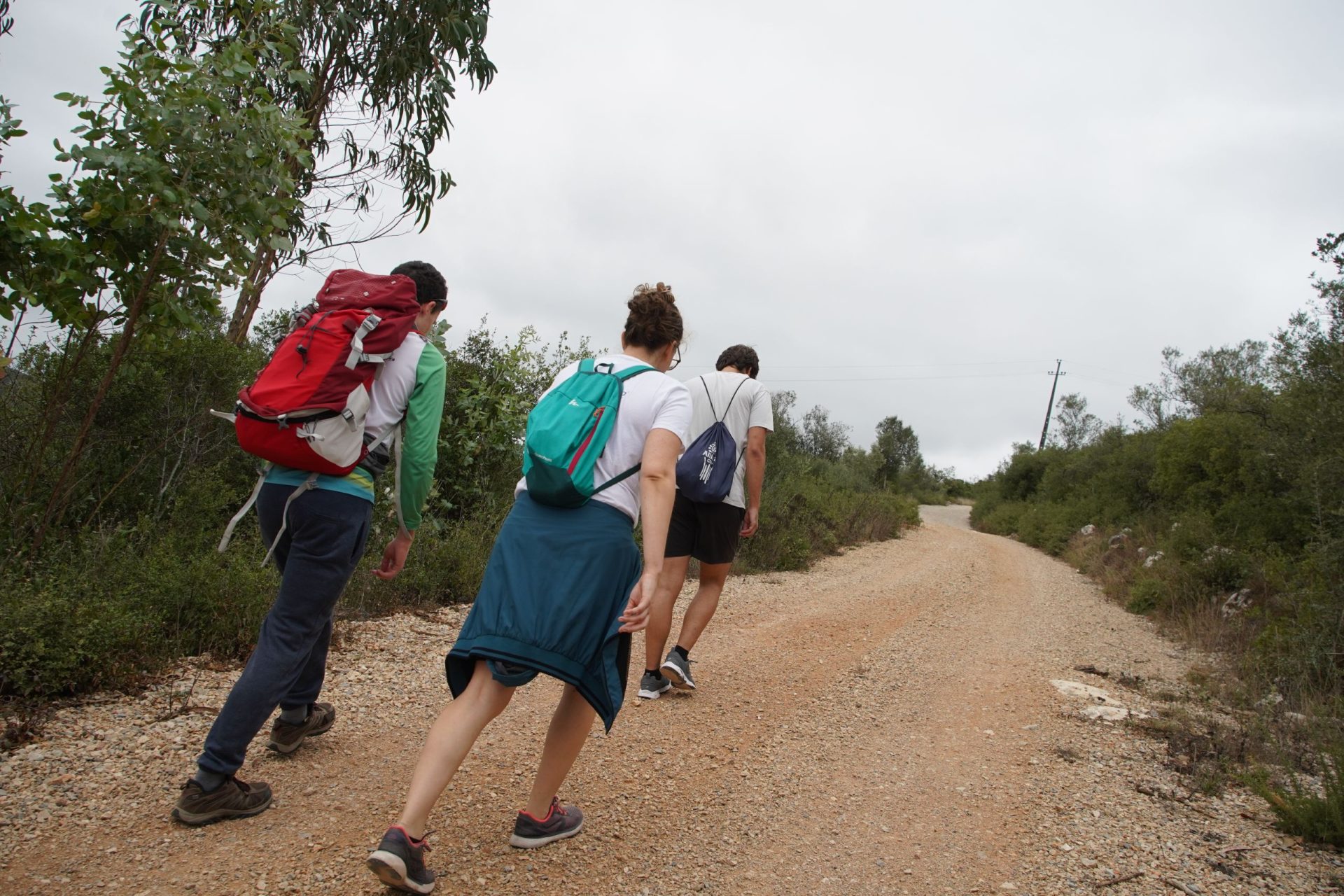
Hike in Buracas do Casmilo
Adventure on the Rota do Sicó! We explored the rocky Buracas do Casmilo, promoted hiking safety, and met wonderful locals.
Condeixa-a-Nova, Portugal -
 Sport Event
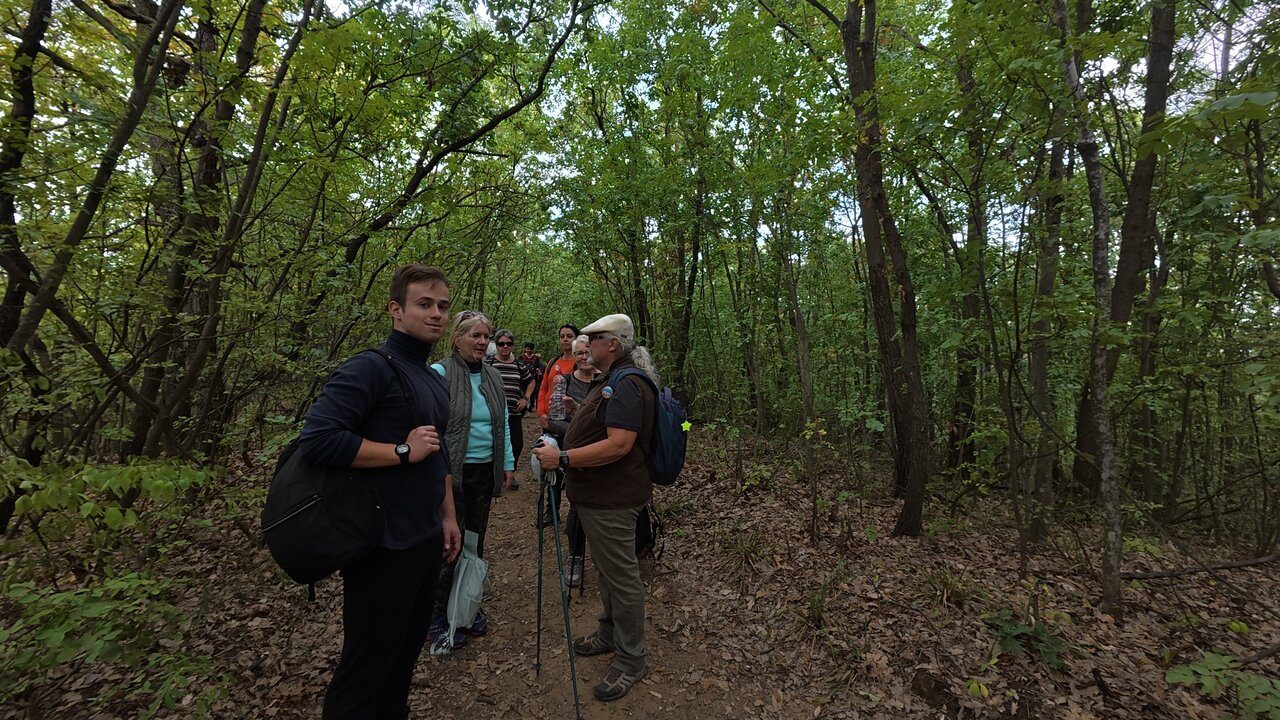
Hike on Biatorbágy
Participants went on a journey through Biatorbágy, with the main goal being to reach Nyakas-kő, a majestic viewpoint of the surrounding area. Participants enjoyed a scenic hike and learned about safe hiking through this adventure.
Biatorbagy, Hungary#Biatorbagy#Hungary -
 Sport Event
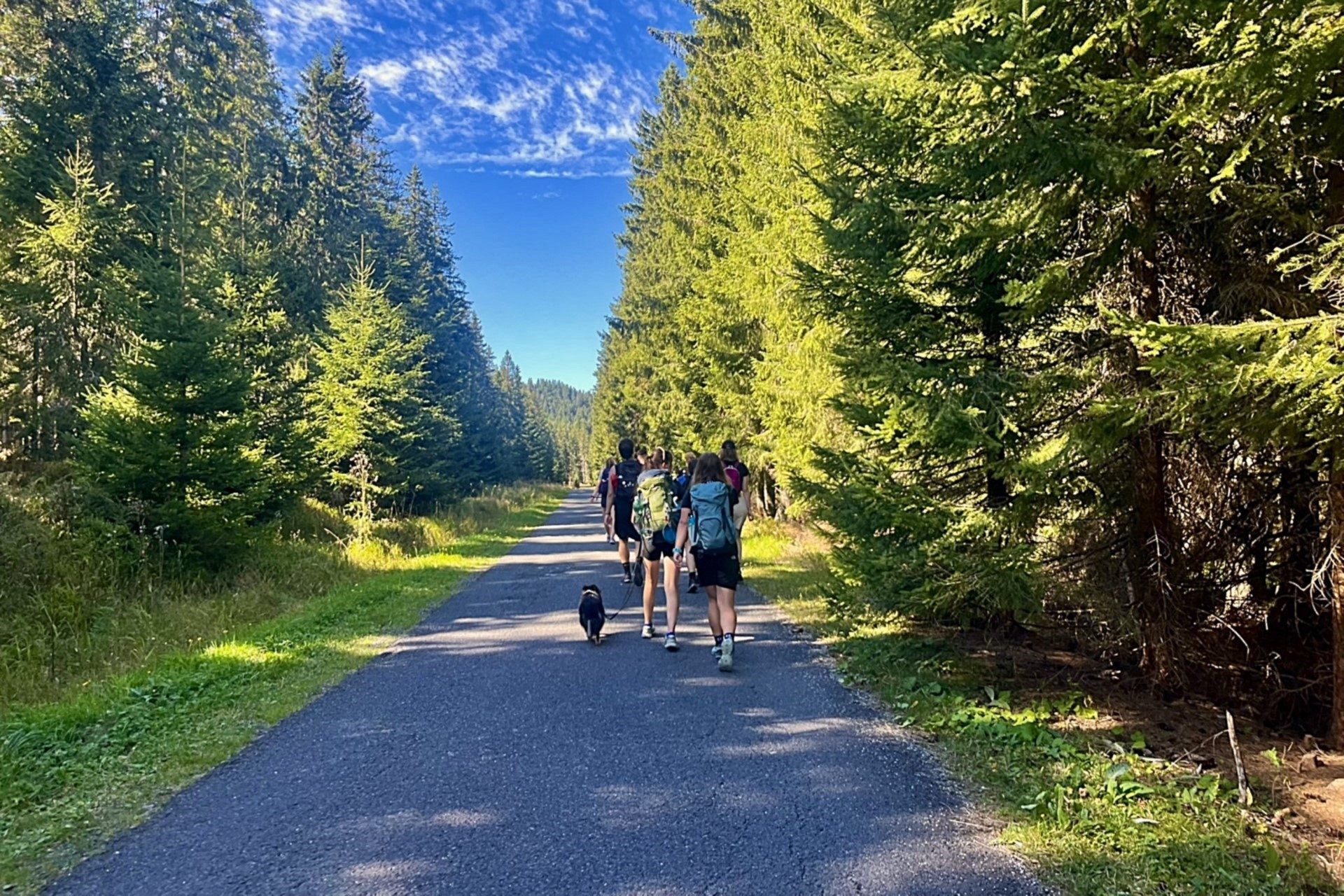
Hike in Sumava
Participants enjoyed a day hiking through Šumava, exploring the source of Vltava River, Bučina, and stunning early autumn scenery together.
Šumava, Kvilda, Czechia#CZ#Hike#Hike Smart#Šumava -
 Sport Event
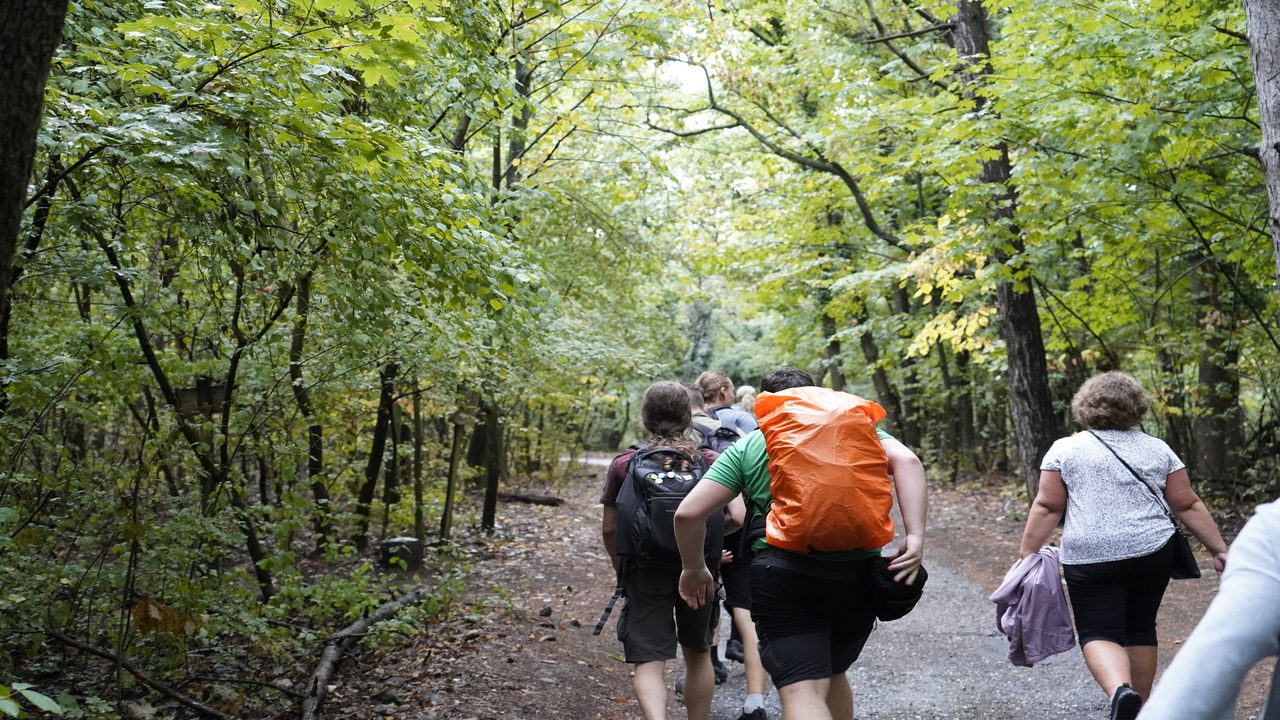
Hike on Badacsony
In August of 2025, participants went on a 2 day hiking adventure, climbing the Badacsony mountain, where they learned about how to hike safely and what to pack, while also meeting with people with similar interests and spend time together.
Badacsonytomaj, Hungary -
 Sport Event
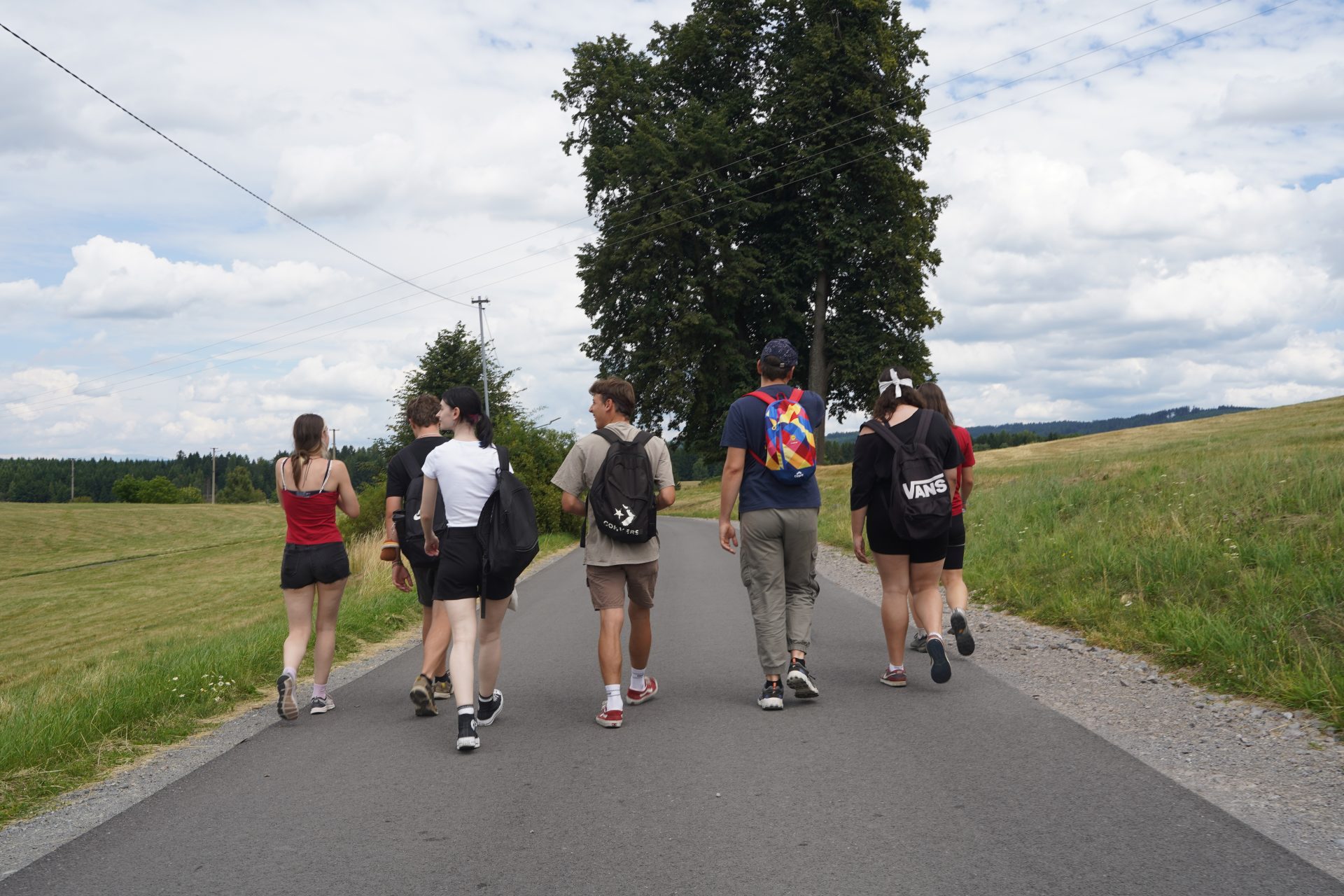
Hike in Veporske vrchy
A group of young people explored Slovakia’s Veporské vrchy in July 2025, enjoying nature, building friendships, and learning how to hike safely through the Hike Smart project.
Veporské vrchy, Slovakia#Hike Smart#Hiking#Slovakia -
 Sport Event
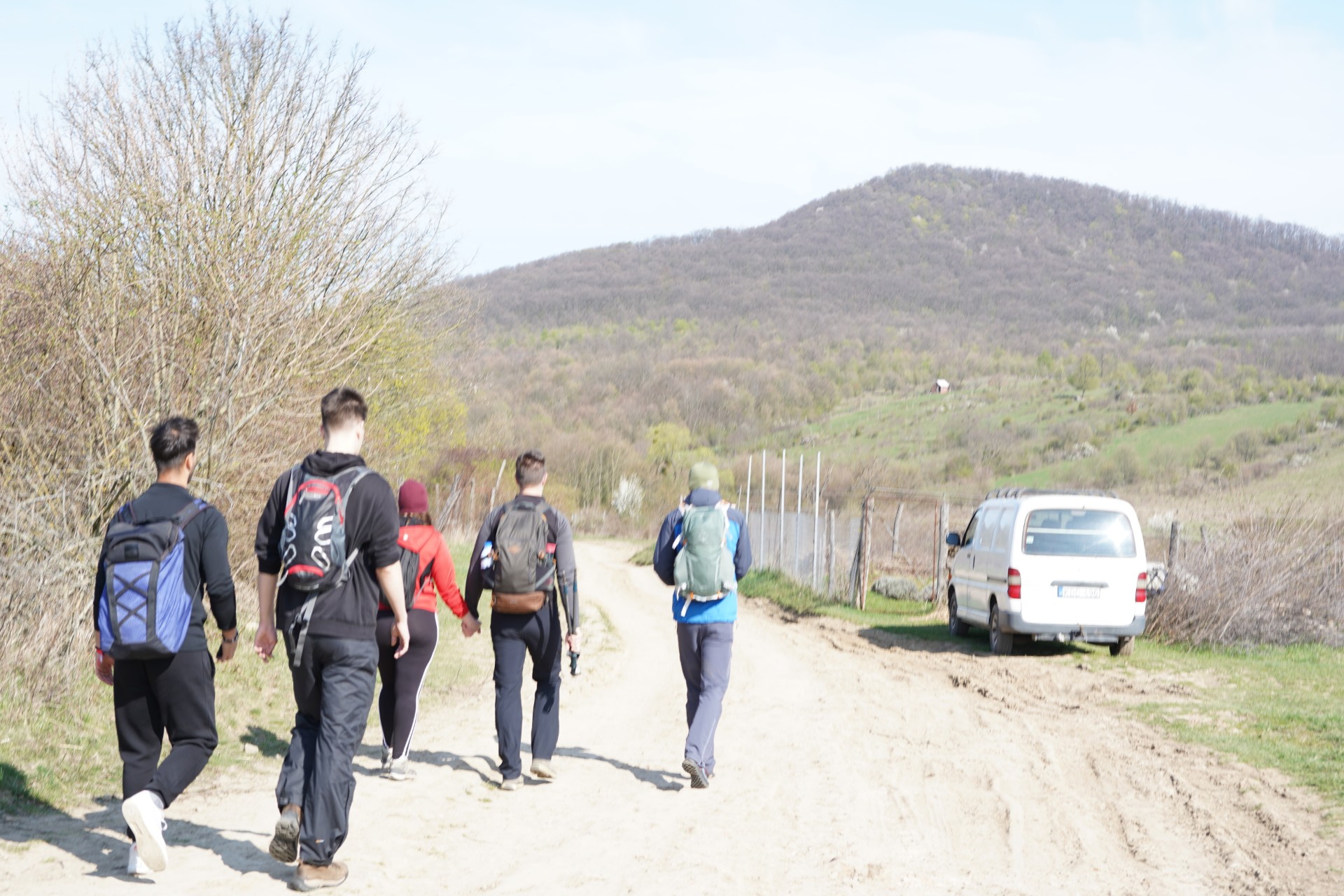
Hike In Visegrad
In early April, participants enjoyed a scenic and well-paced group hike along the Spartacus Trail and through the Apátkúti Valley, with great weather, good visibility, and a chance to connect with nature and each other.
Pilisszentlaszlo, Hungary#Erasmus +#Guided tour#Hiking#Hungary#Local sport event -
 Sport Mobility
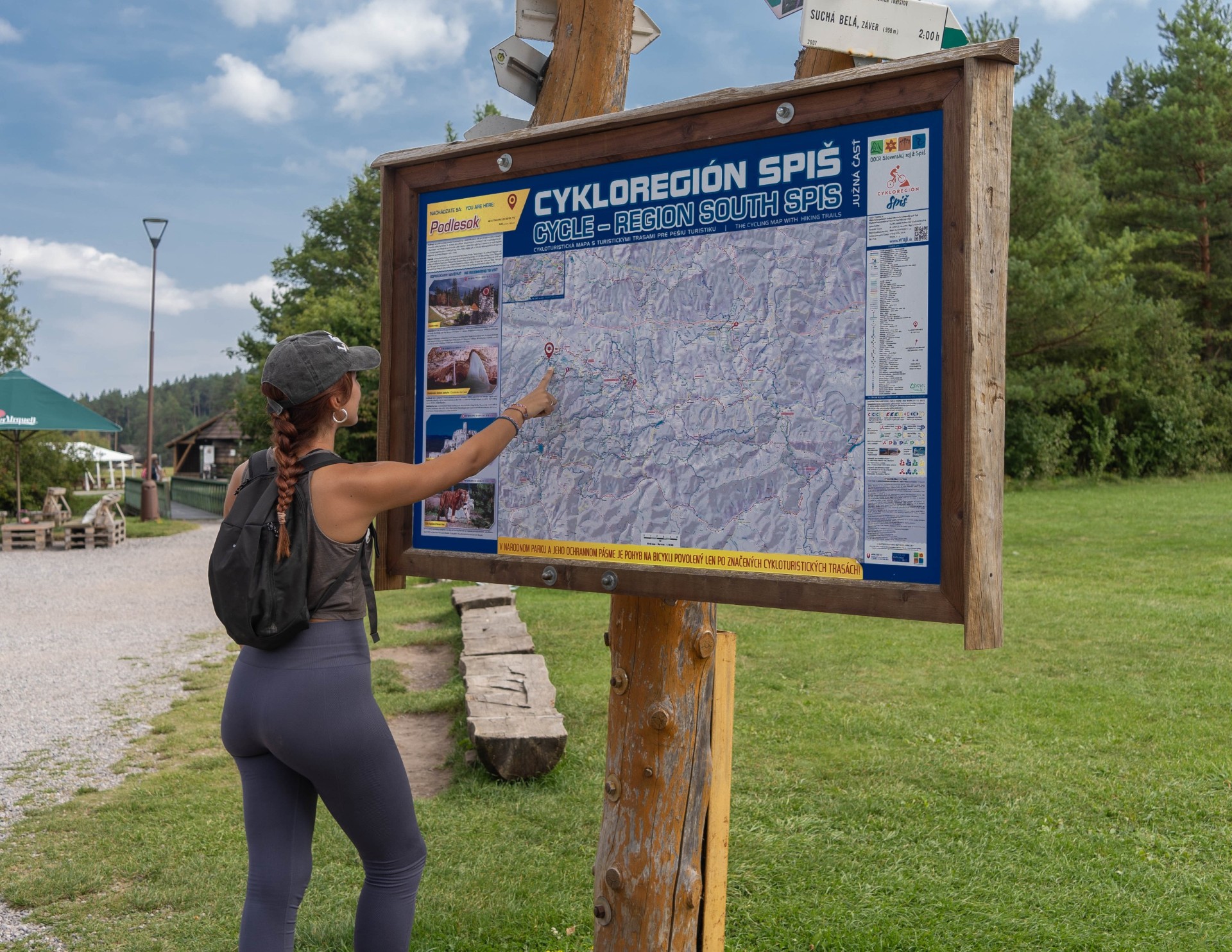
Hiking Safety Training
During the international training held in High Tatras, participants increased their competence in organizing hikes in different terrains and high mountains through the exchange of good practices and knowledge to ensure safety in hiking.
High Tatras, Slovakia#Czech Republic#Erasmus +#Hungary#Portugal#Slovakia
Educational Videos
Another important aspect of Hike Smart was the development of two educational videos, each approximately 4-6 minutes long, that address the root causes of most hiking accidents: poor packing and insufficient knowledge of weather forecasting.
EP. 1 – Weather Awareness and Preparation
In the first episode, we focus on the importance of understanding and preparing for bad weather. From learning how to read weather forecasts and use weather apps, to researching about locations, conditions and how to identify and mitigate potential risks, join us as we explore the essential steps to ensure you’re prepared for any weather conditions.
EP. 2 – Preparation and Packing
In our second episode, we focus on the importance of preparation and packing for a hike. Learn more about the essential gear and equipment you should pack with you, the proper clothing and footwear and how to pack all of it in your backpack. A proper preparation will make sure you are ready for any kind of circumstance and allow you to prevent the most common risks.
Photo Gallery
Browse the full photo album from Hike Smart activities:
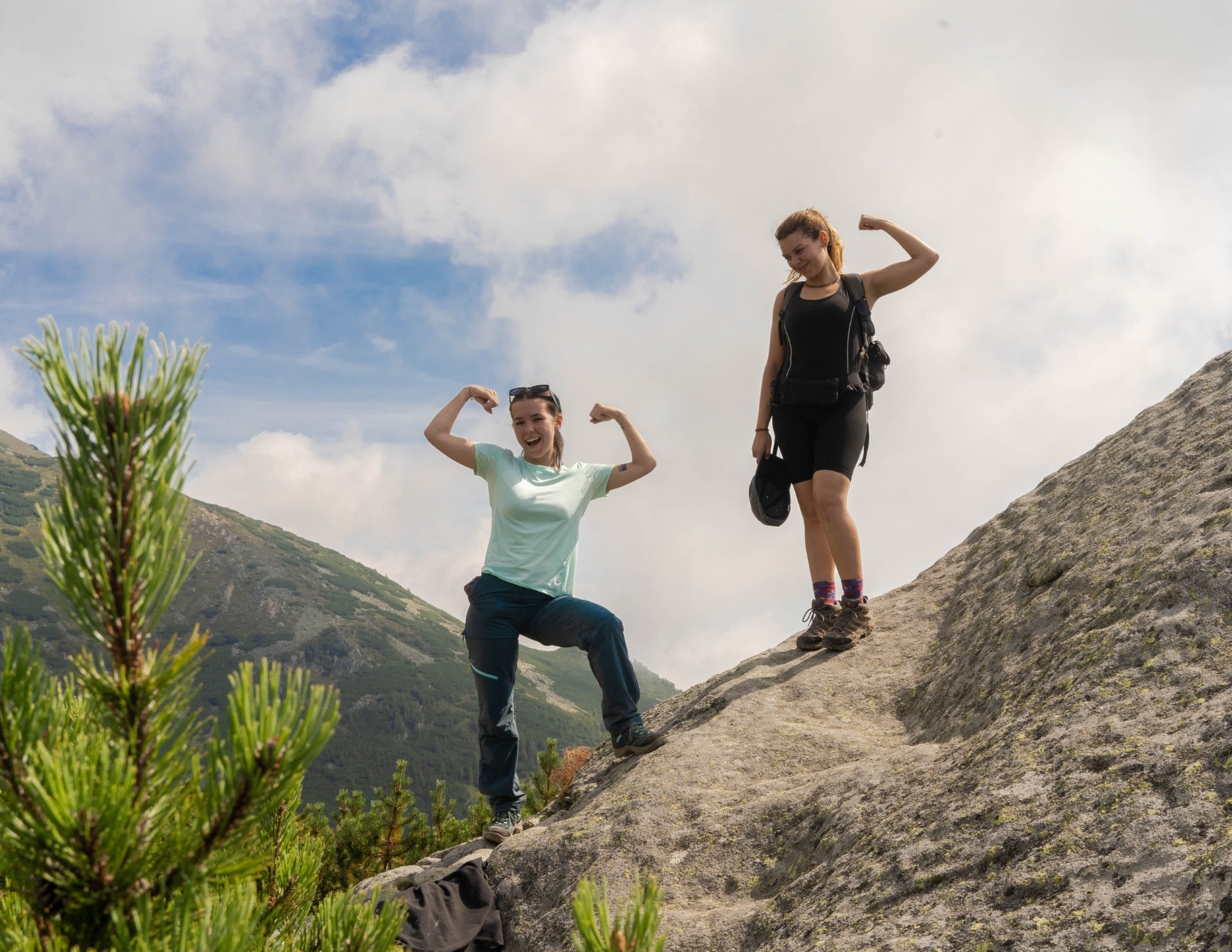
Photo Album
Dissemination Events
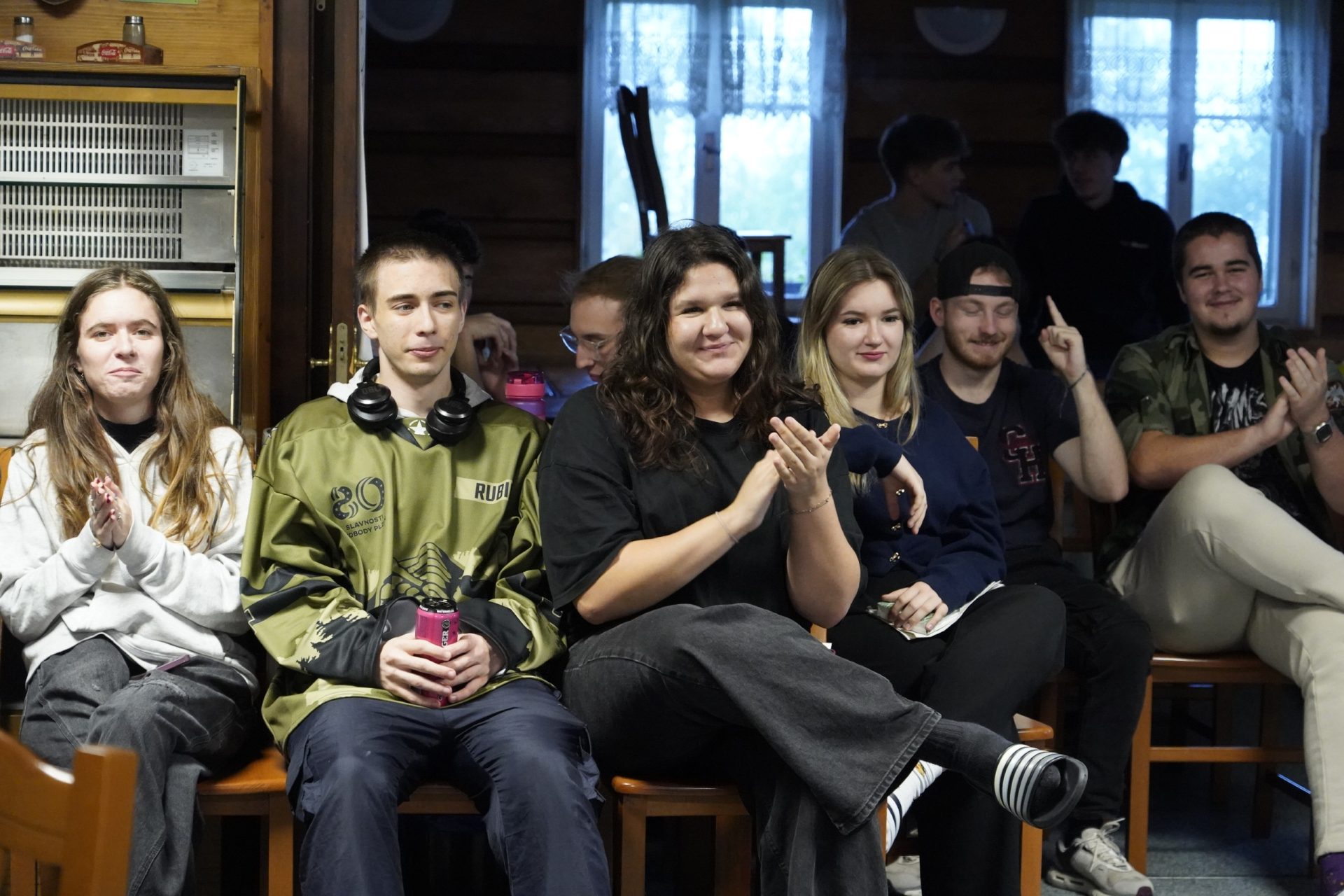
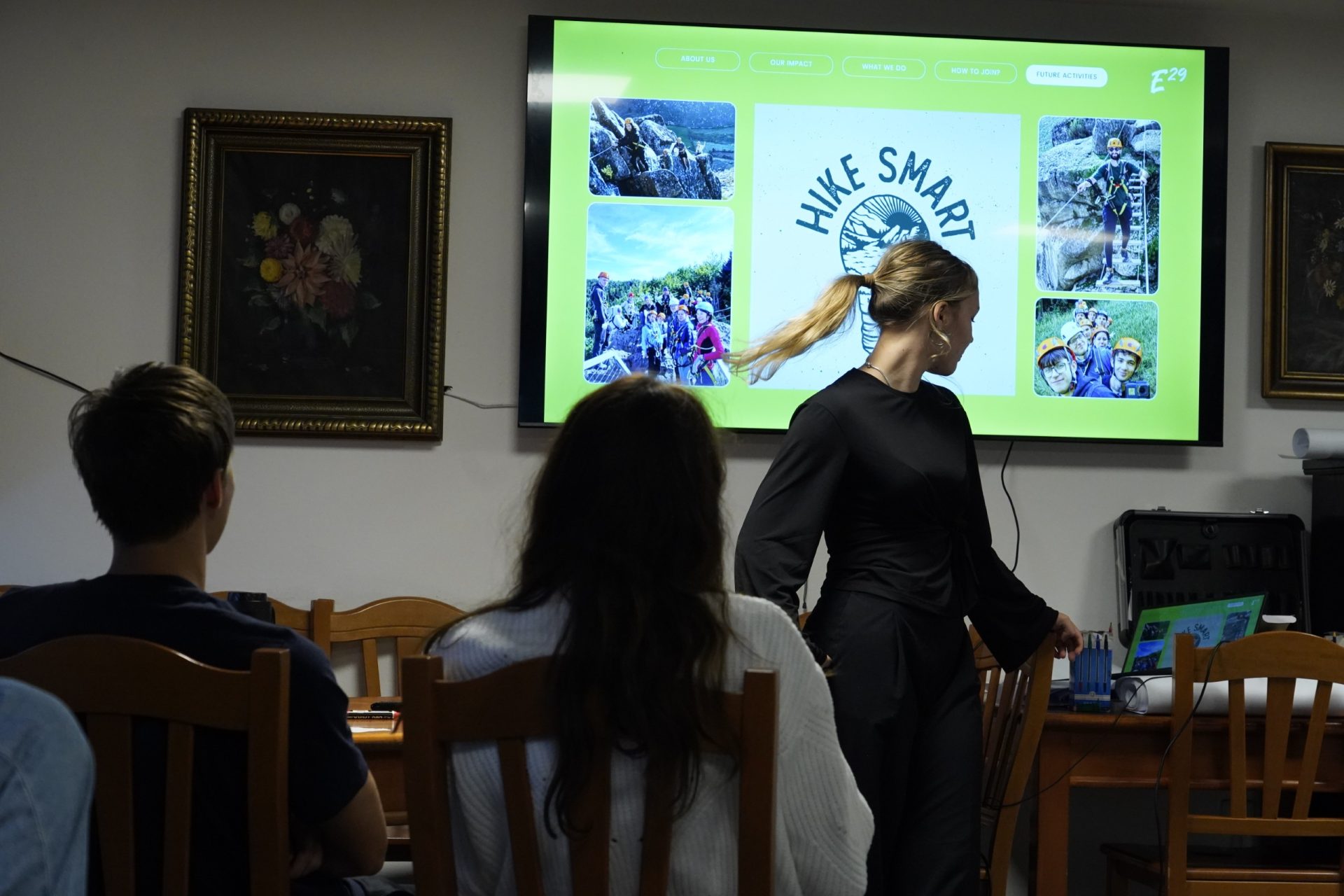
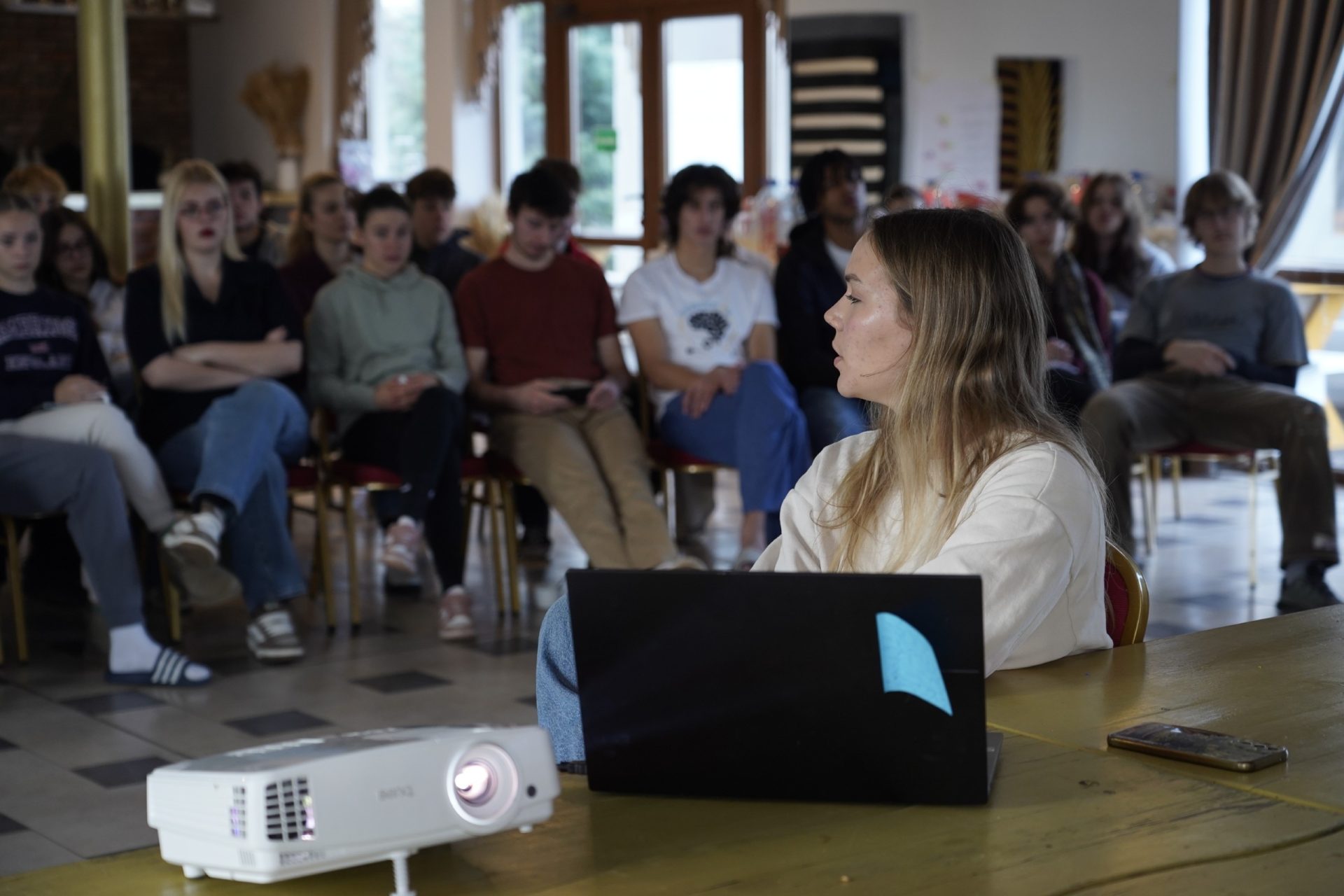
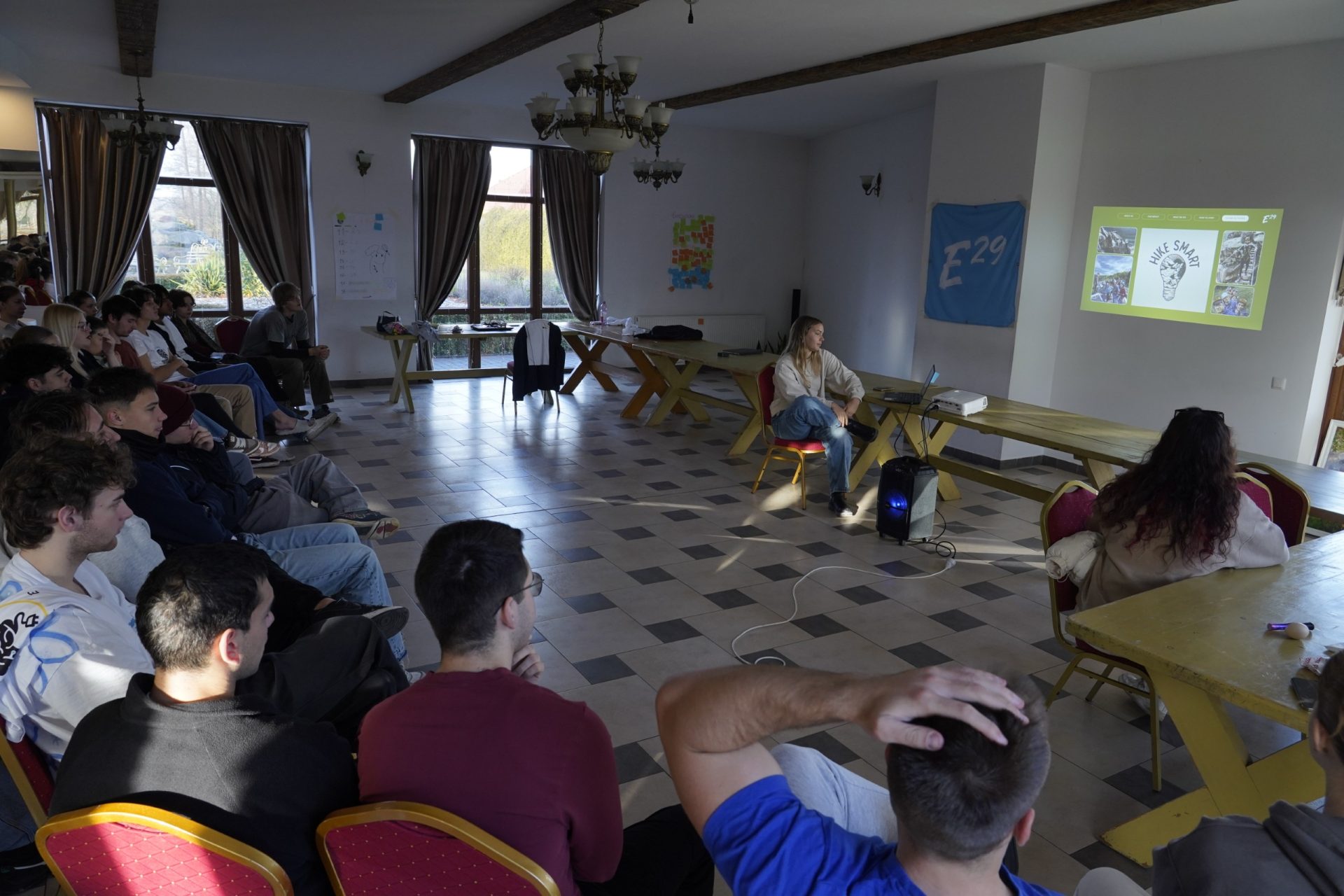
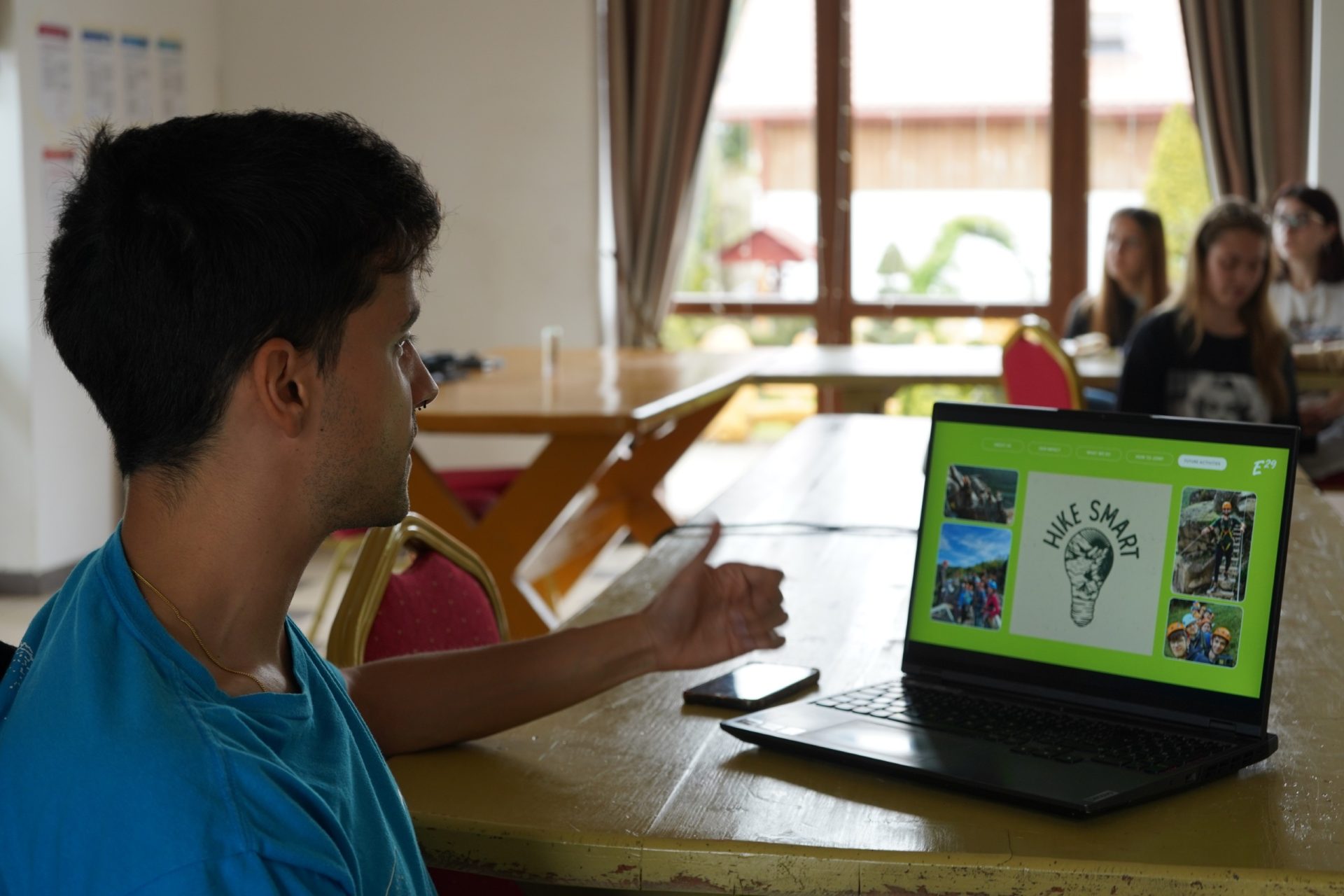
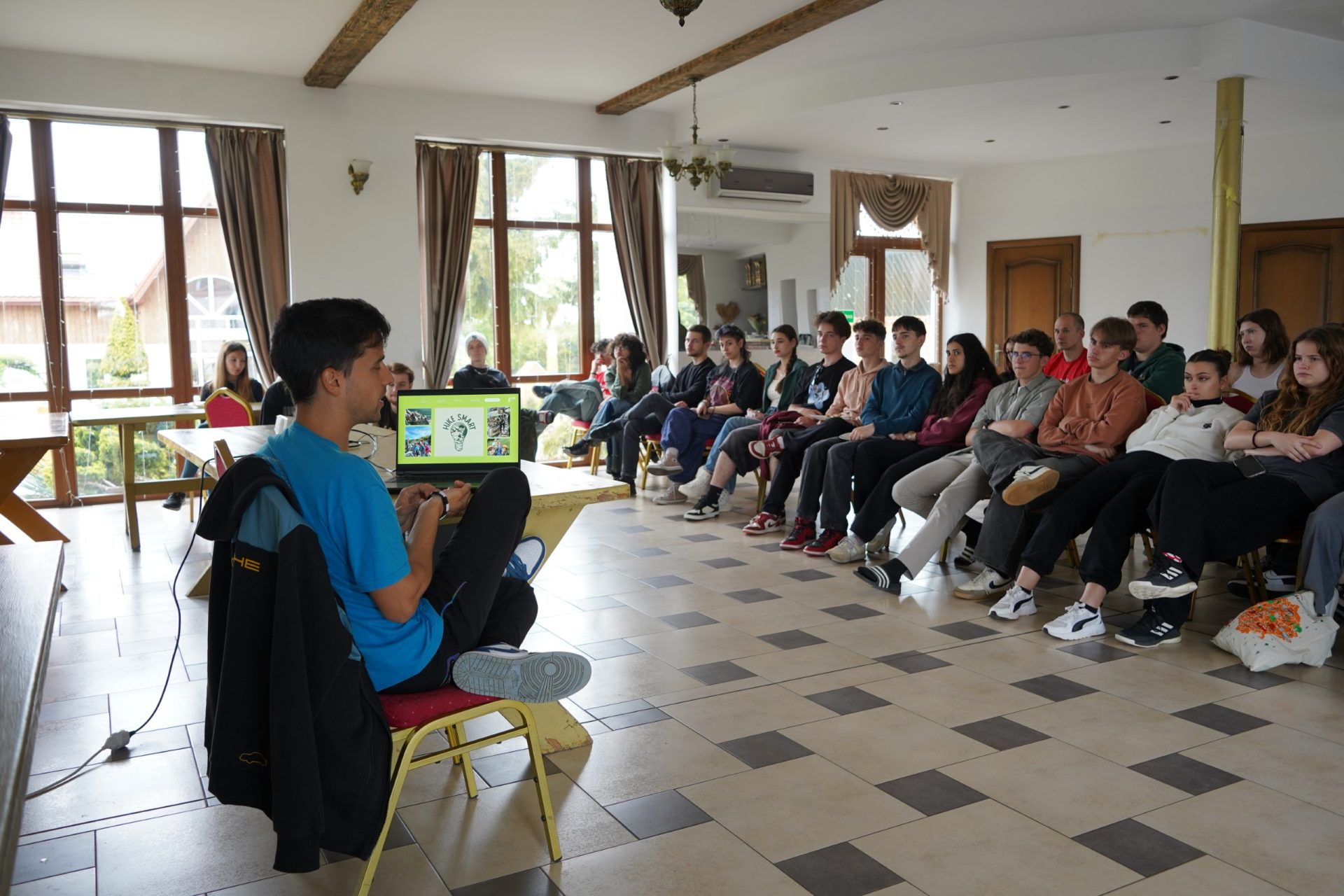
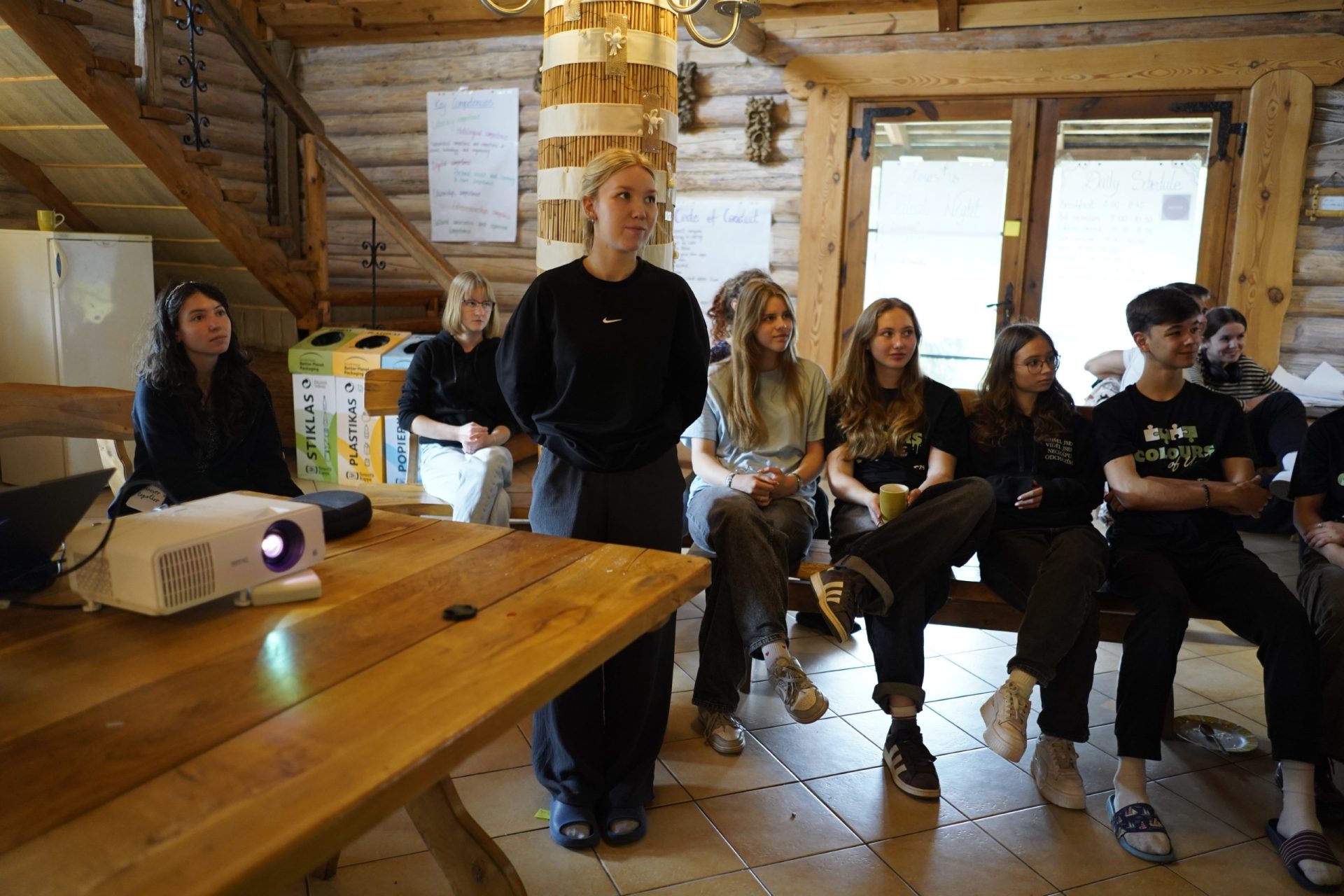
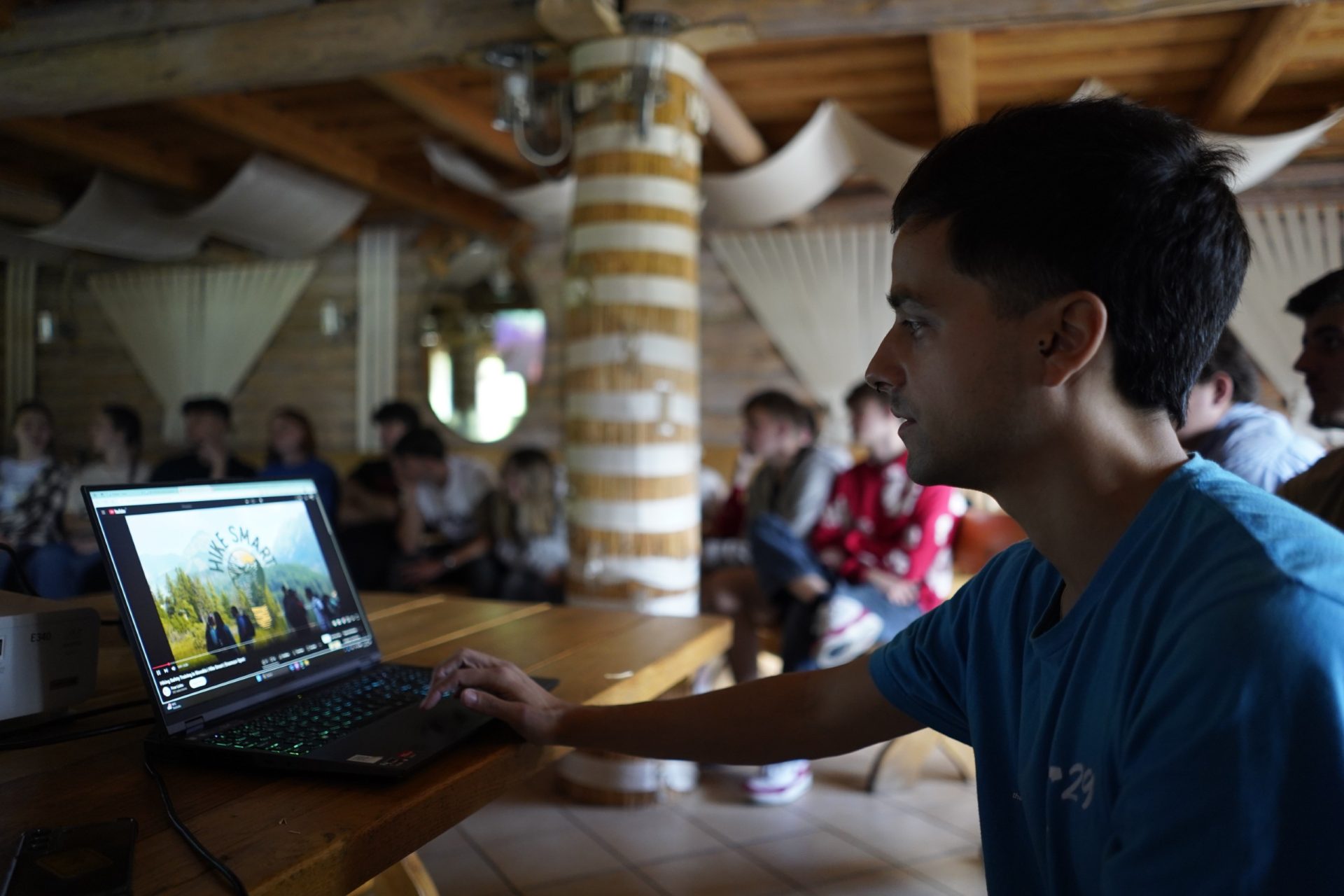
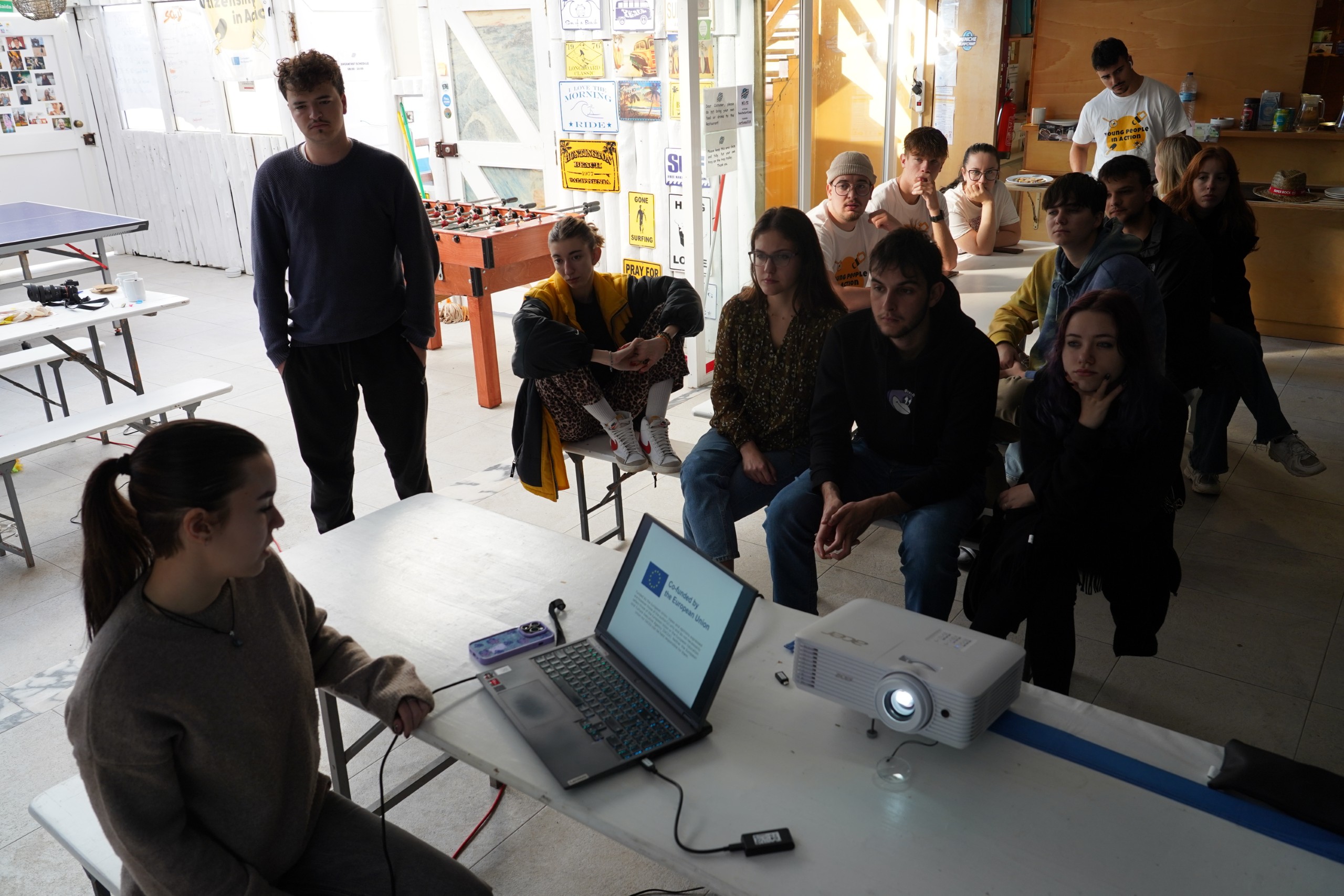
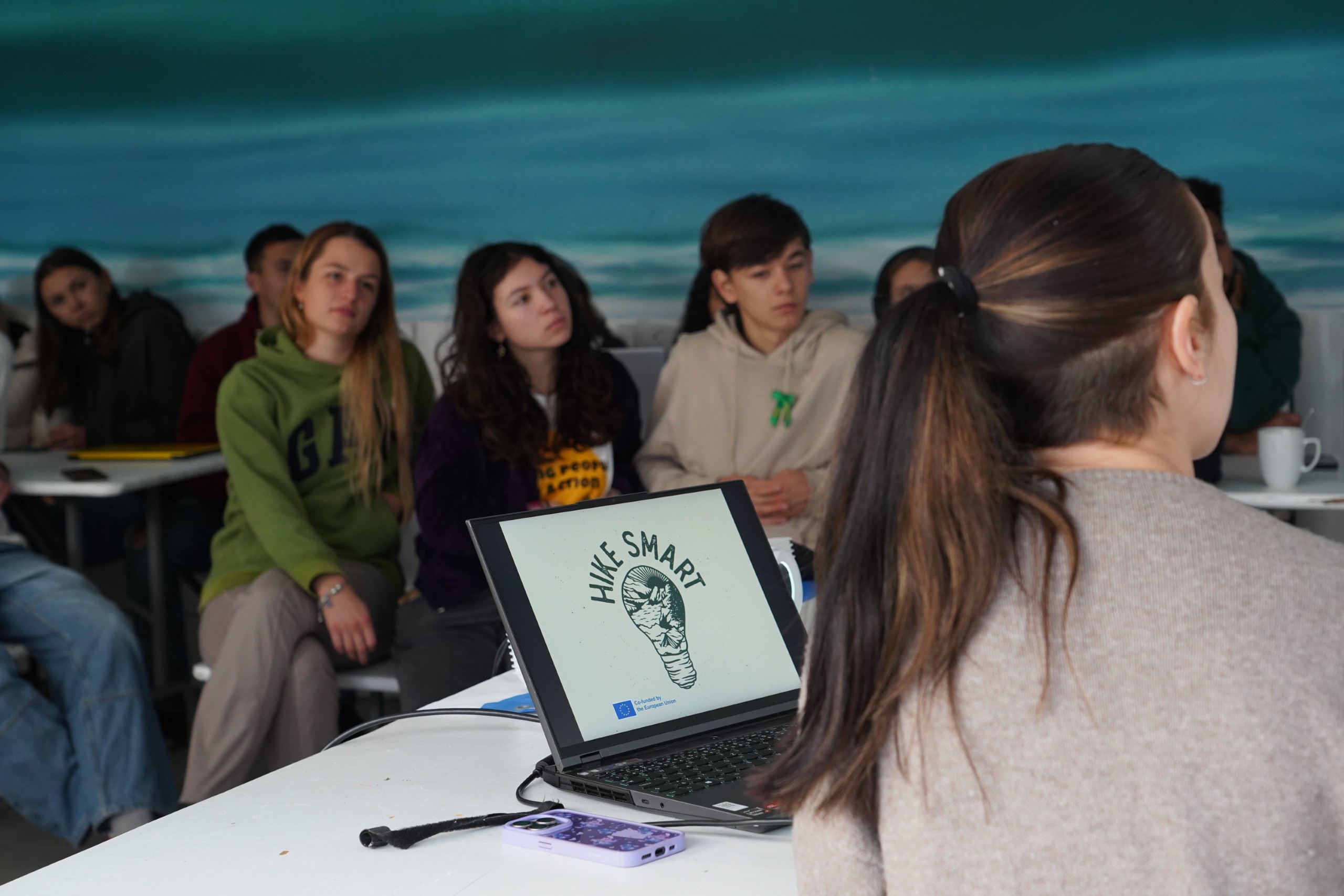
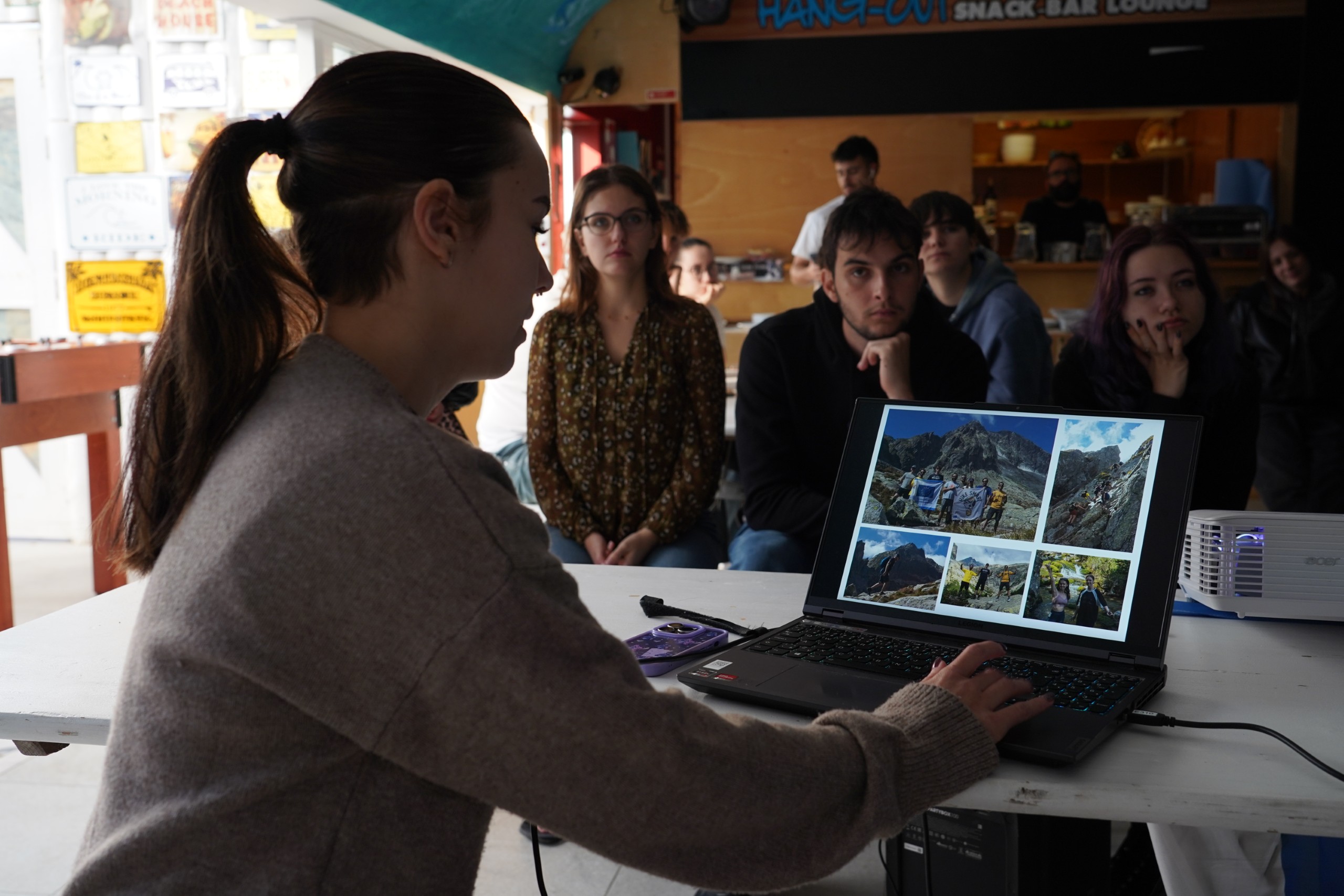
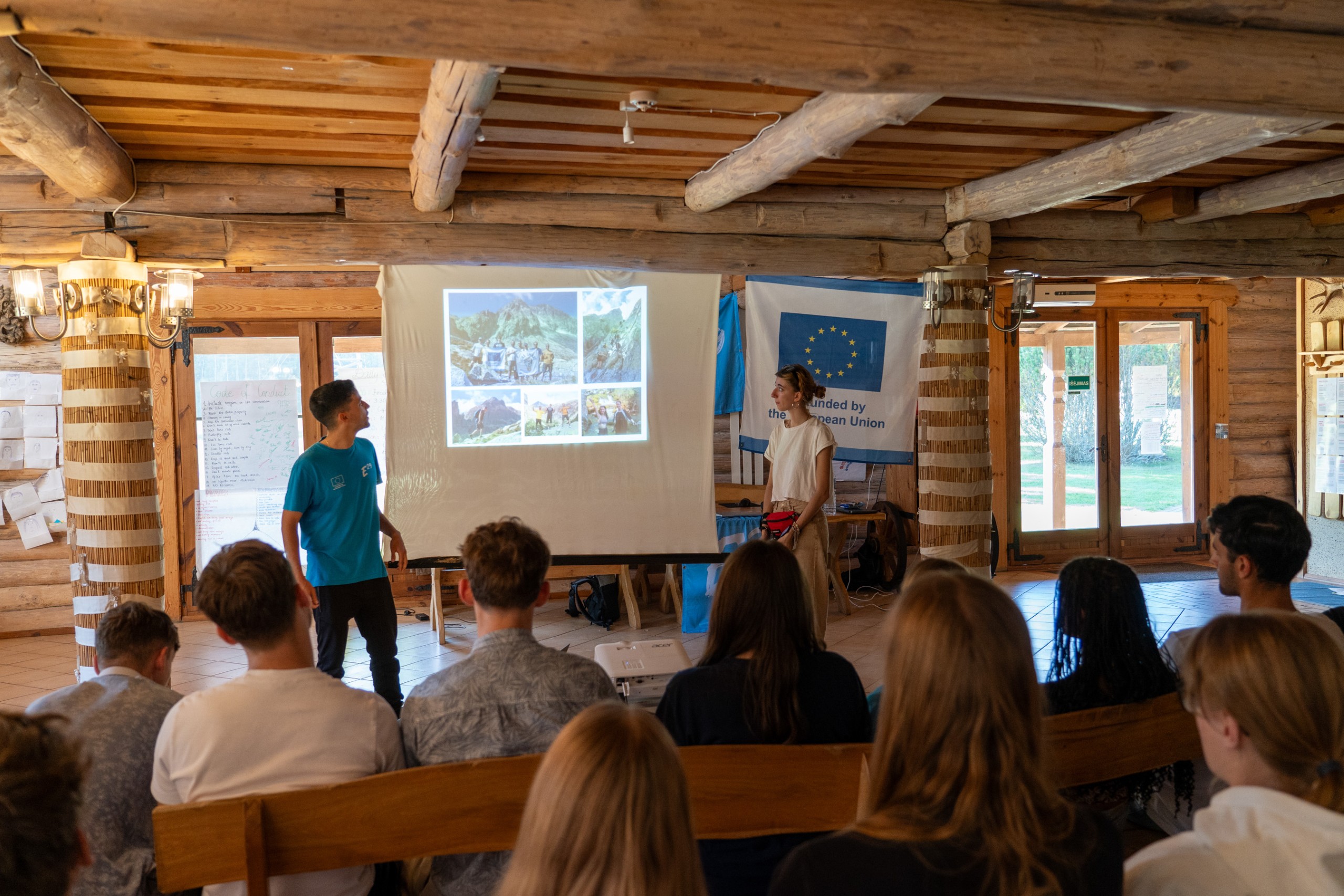
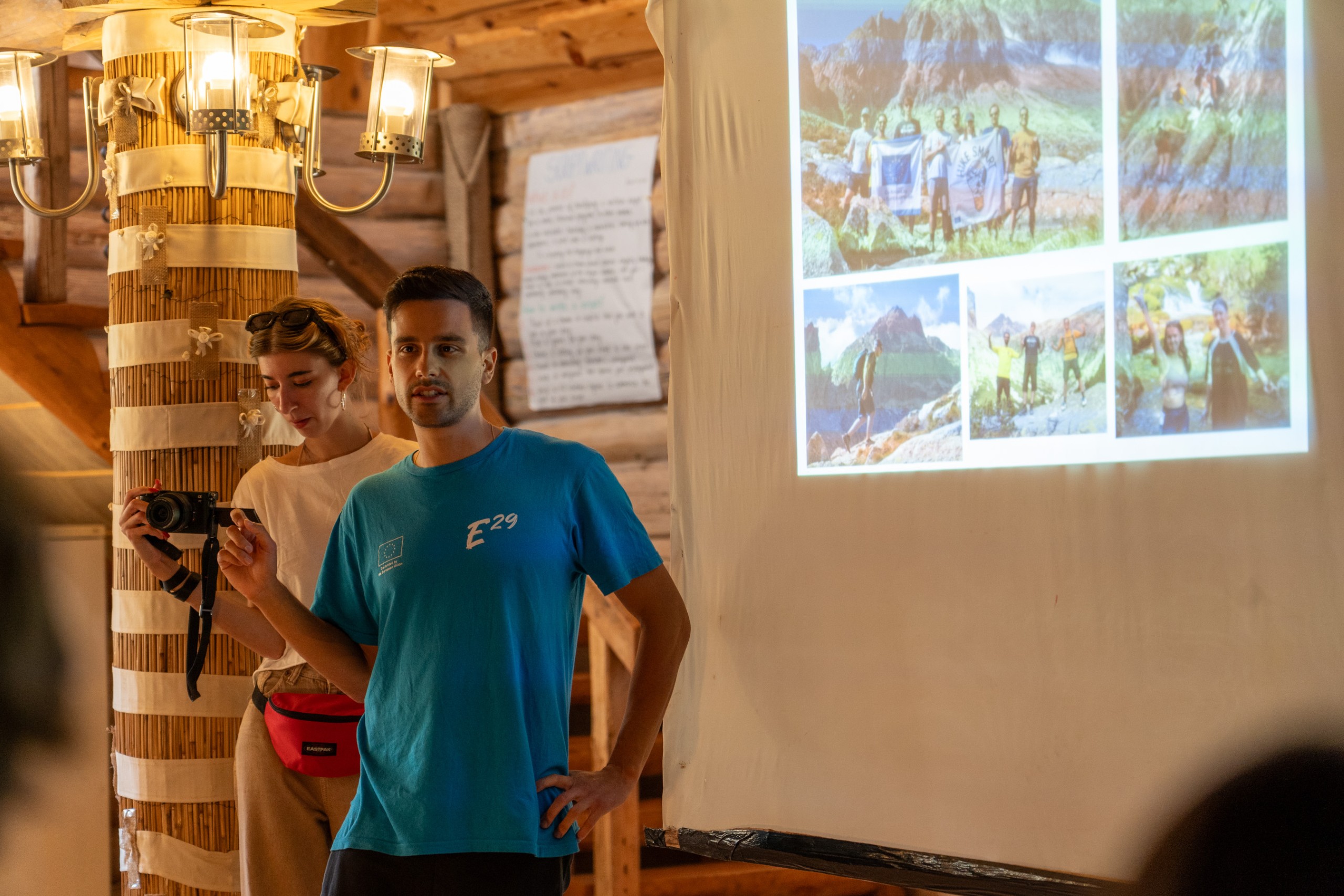
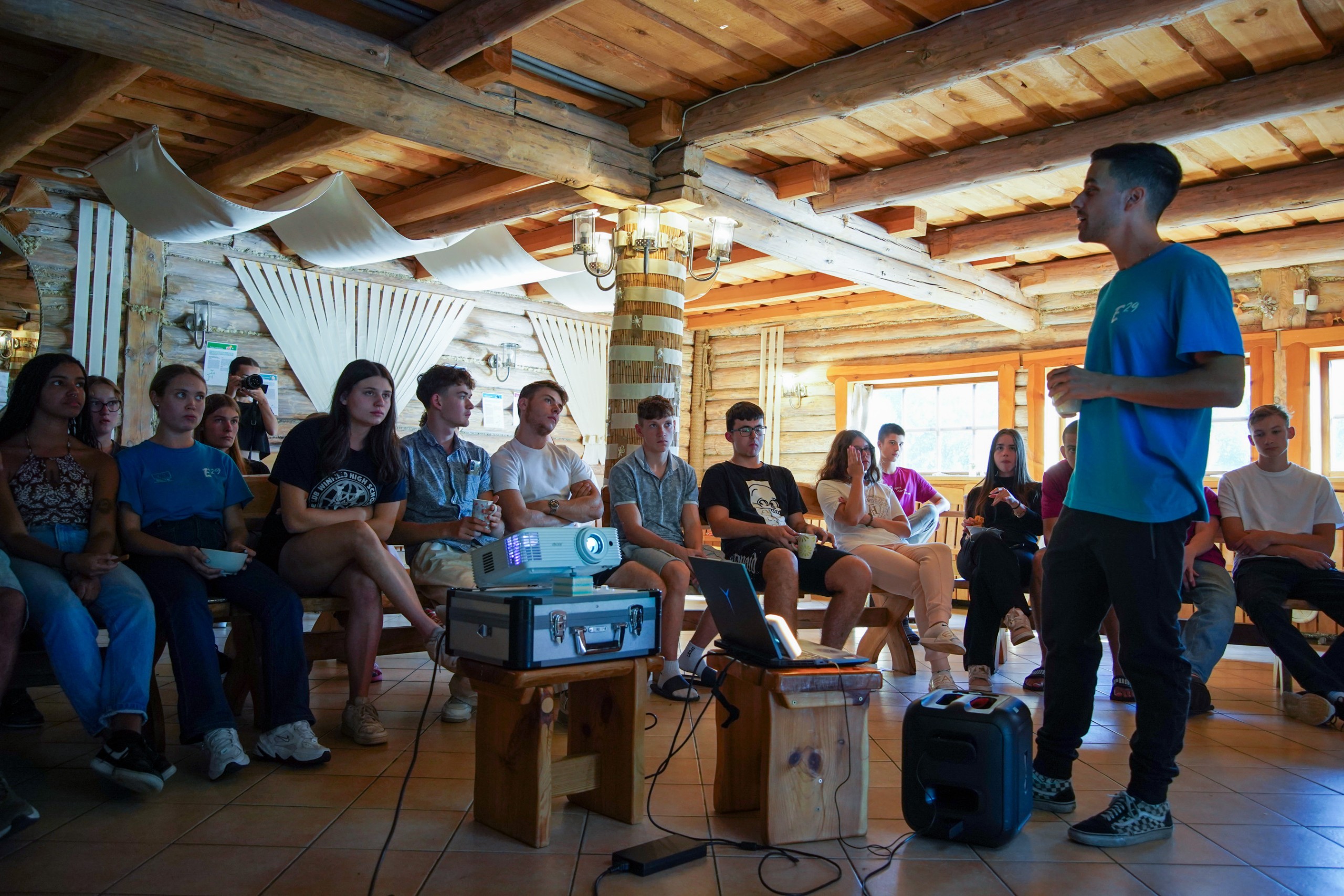
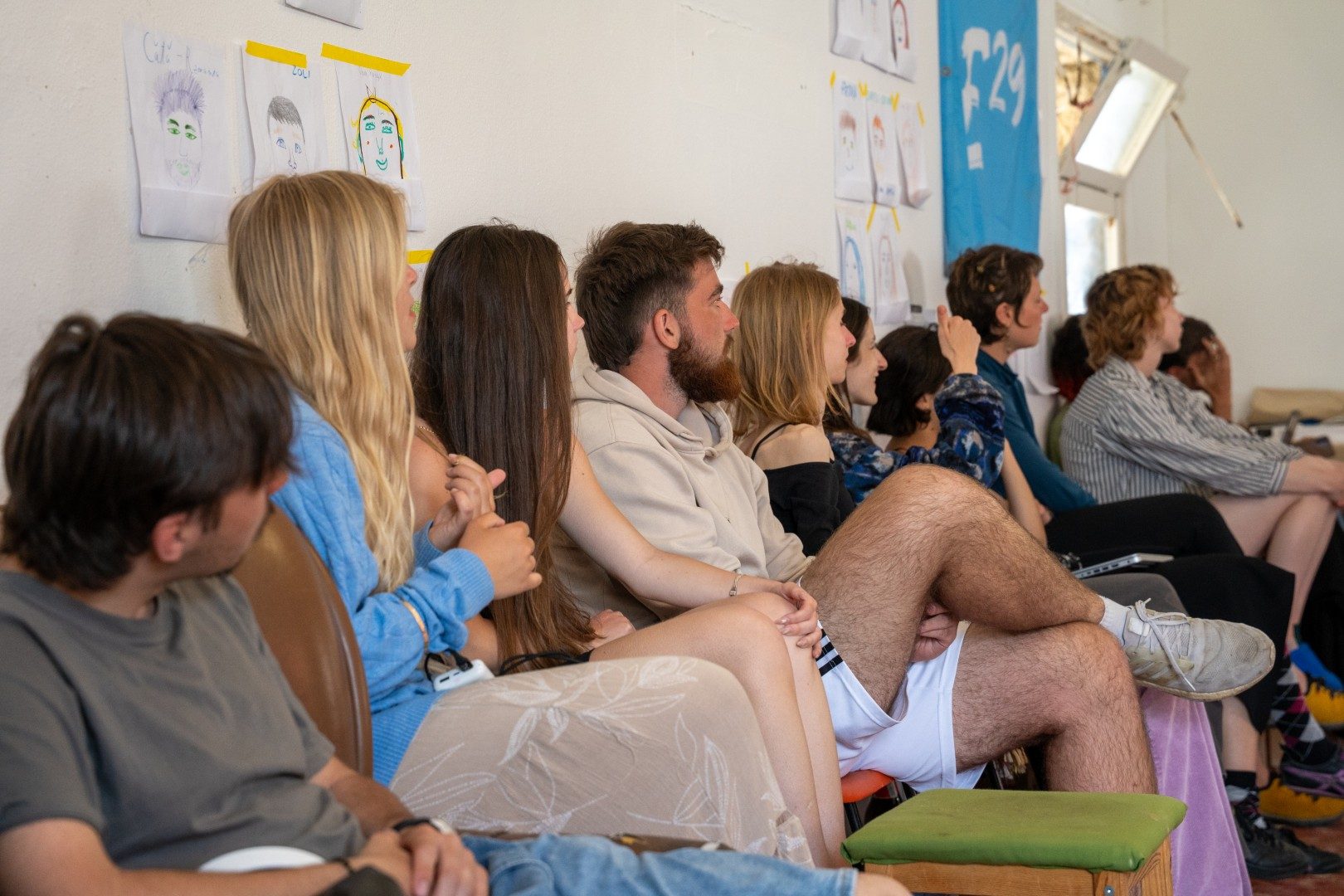
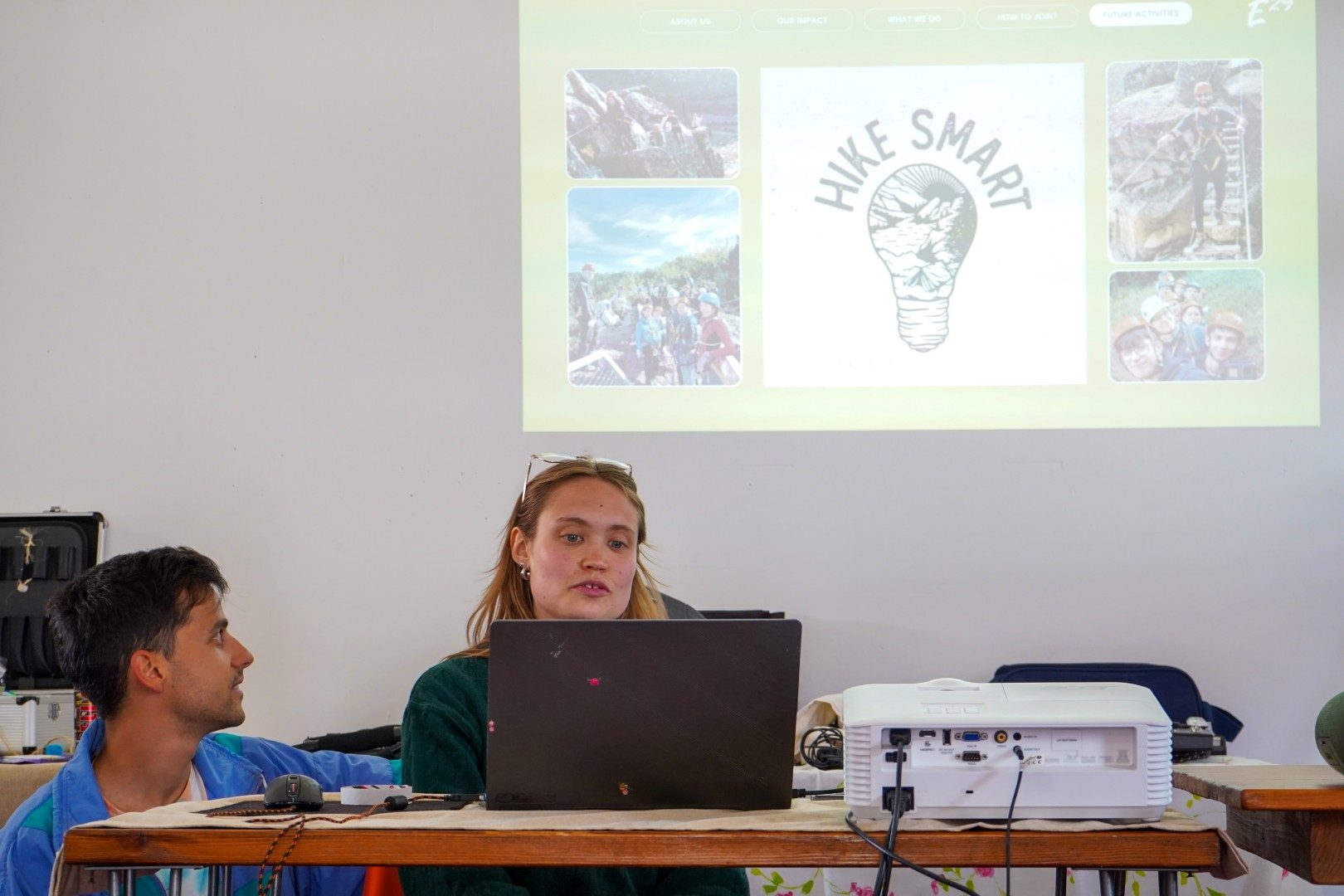
Our participants engaged in events for dissemination and exploitation of results, sharing the knowledge, skills and experience gained during the activities, within their community.
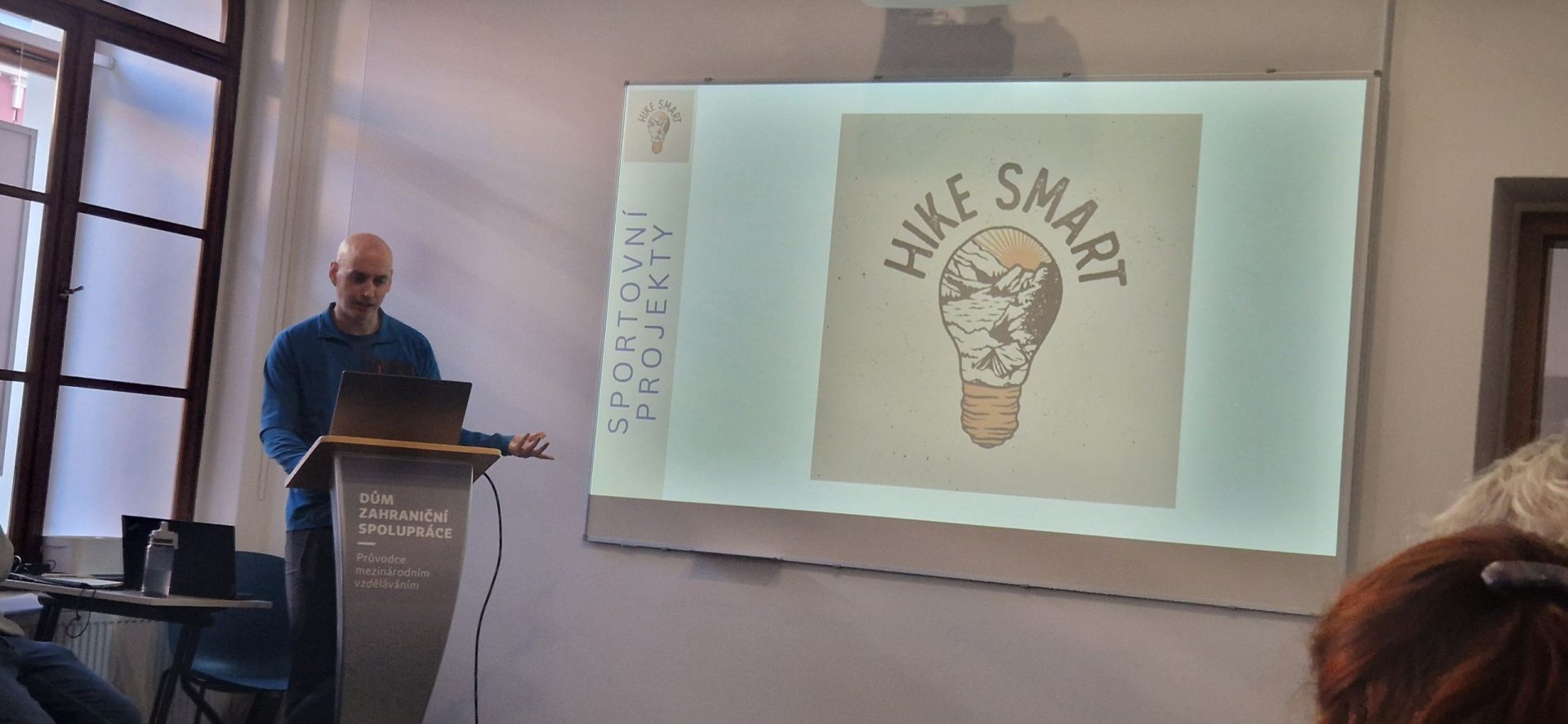
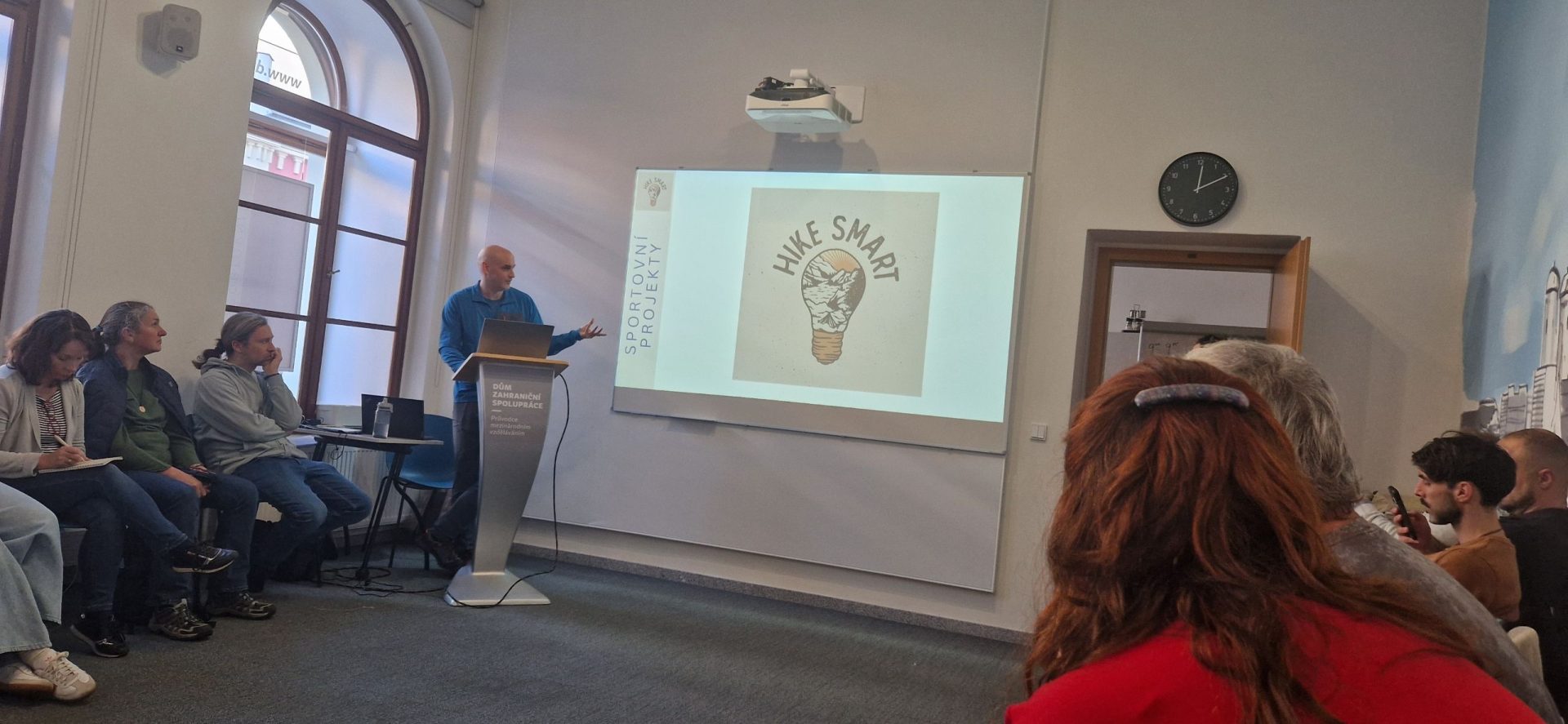
Prague, Czechia, oct. 2025
Presentation by Four Links Team during Sport Conference Erasmus+ organized by DZS (National Agency in Czechia), focused on Exchange of Good practices in the field of Sport.
More dissemination events
Beyond Prague, our participants took part in dissemination events across Europe. Here are a few photos from those occasions.