In the small Lithuanian town of Bartninkai, our Hungarian participants joined young people from Portugal, Czechia, Slovakia, Romania, and host country Lithuania for a week built around one honest question: what does it actually take to keep mental and physical health in balance?
Our team travelled north to be part of it, and from the first evening it was clear this would not be a week of sitting and listening. Glow Up set out to help young people understand a balanced life from two sides at once, the psychological and the physical, and to do it through emotional regulation, self-reflection, and the small daily habits that quietly hold everything together. Over the days that followed, the group moved from naming feelings to moving their bodies, from research to art, and worked through all of it the way youth exchanges run best: peer to peer, hands first.
Finding Our Footing
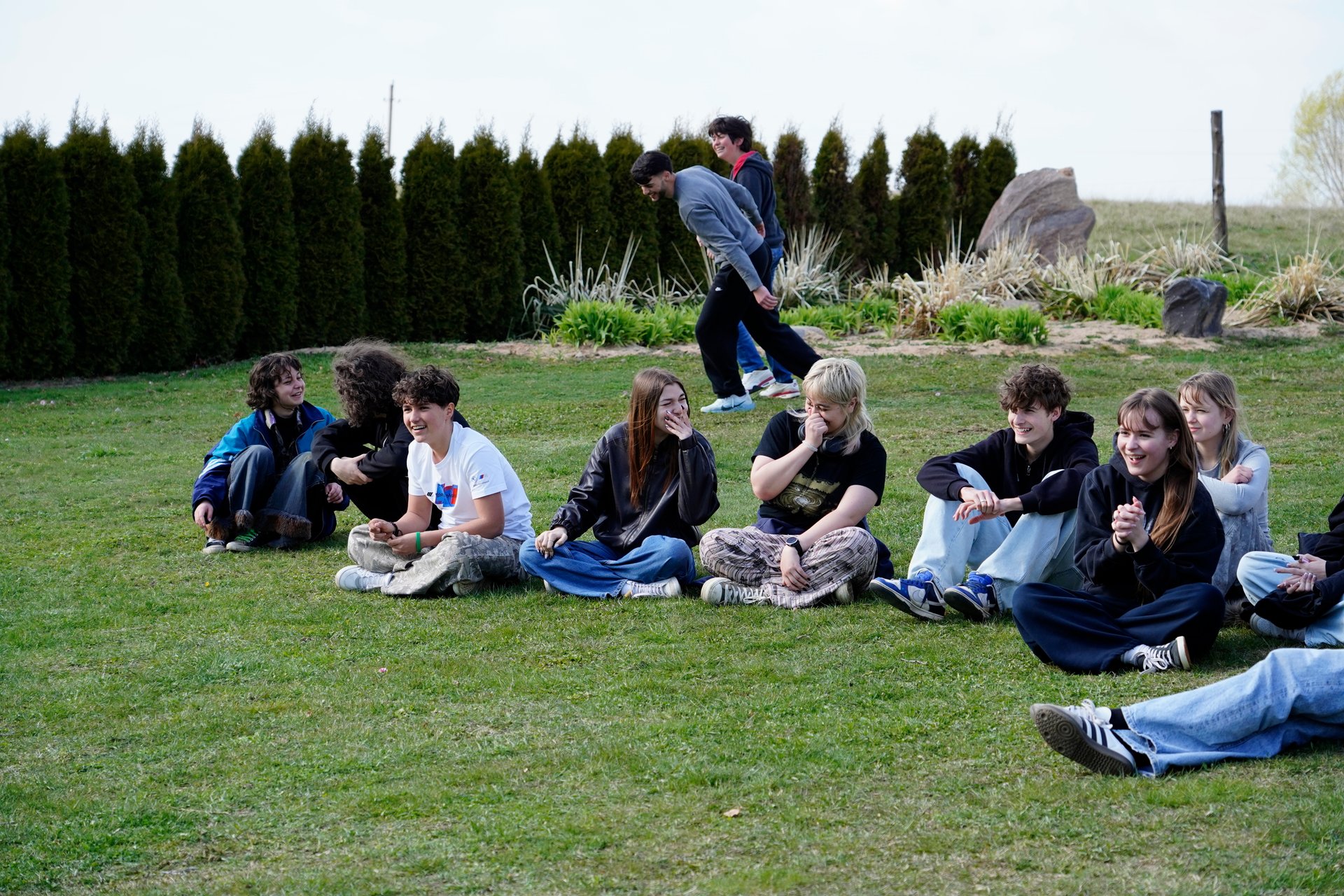
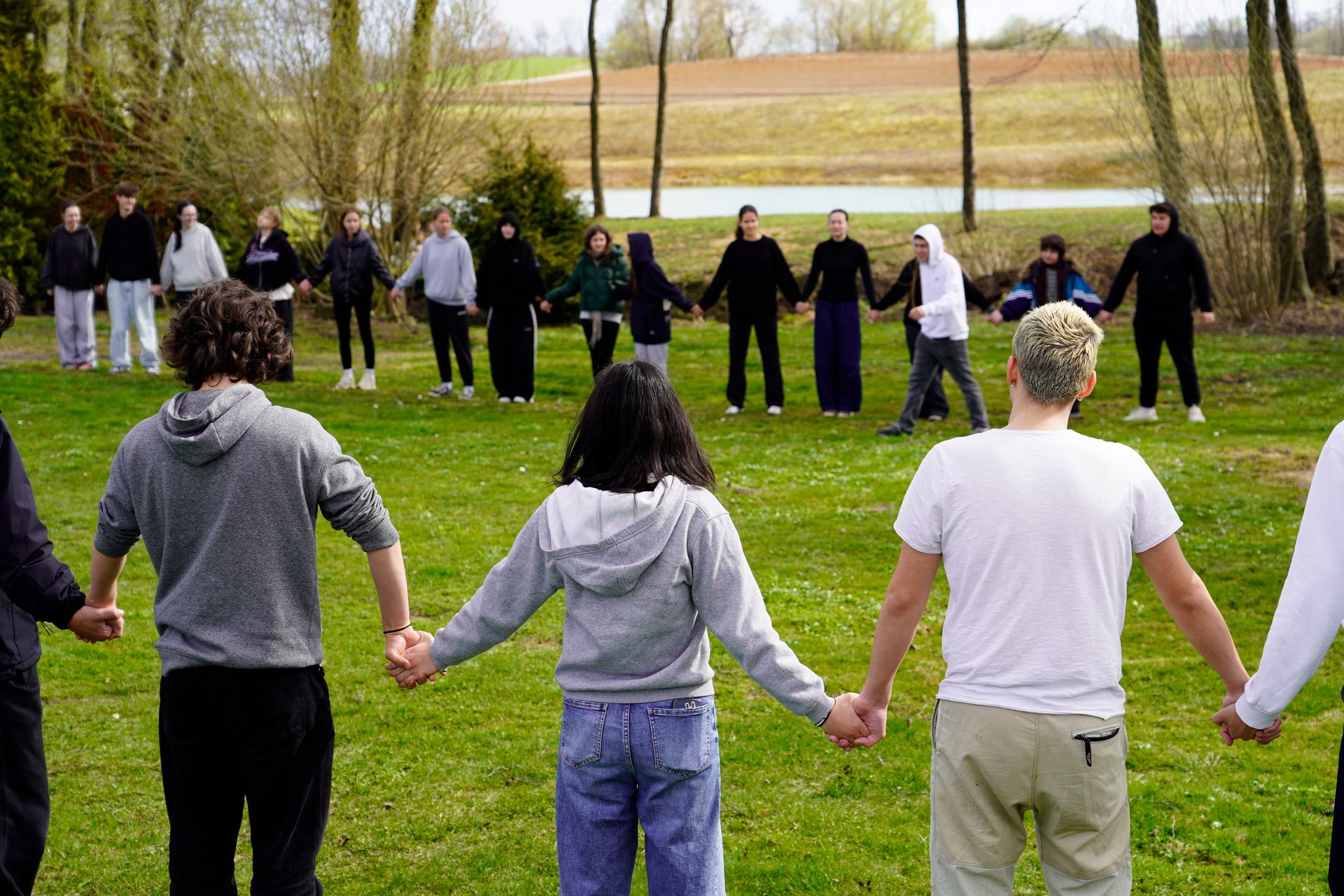
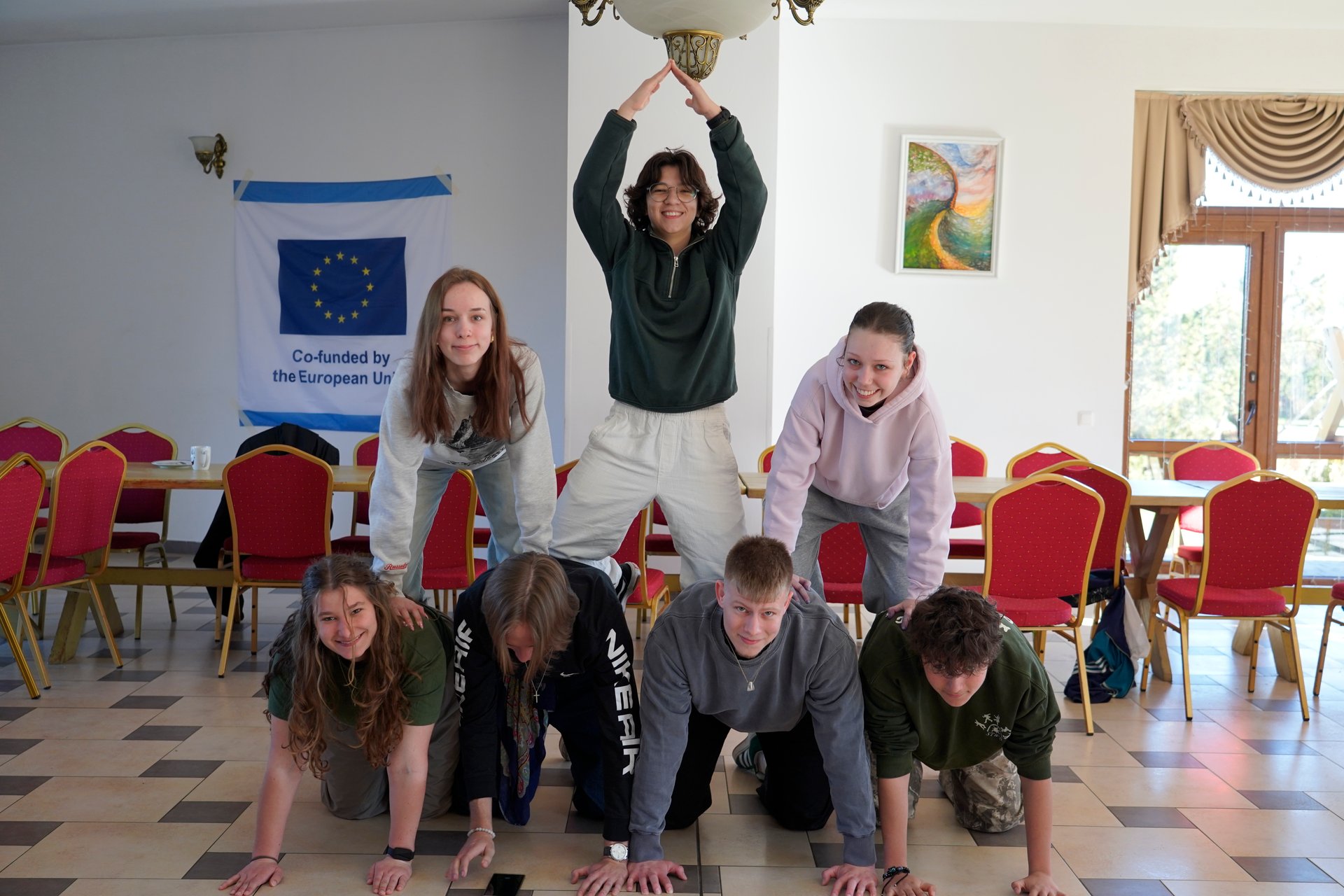
A week about emotions only works once people trust the room they are in, so the opening days went entirely to that. Quick-fire icebreakers, minute-long introductions, and a roaming team challenge the group called Crazy 29 turned a set of strangers into people who could already read each other across a table. Names were learned, then habits, then the small jokes that only a group that has spent real time together can share.
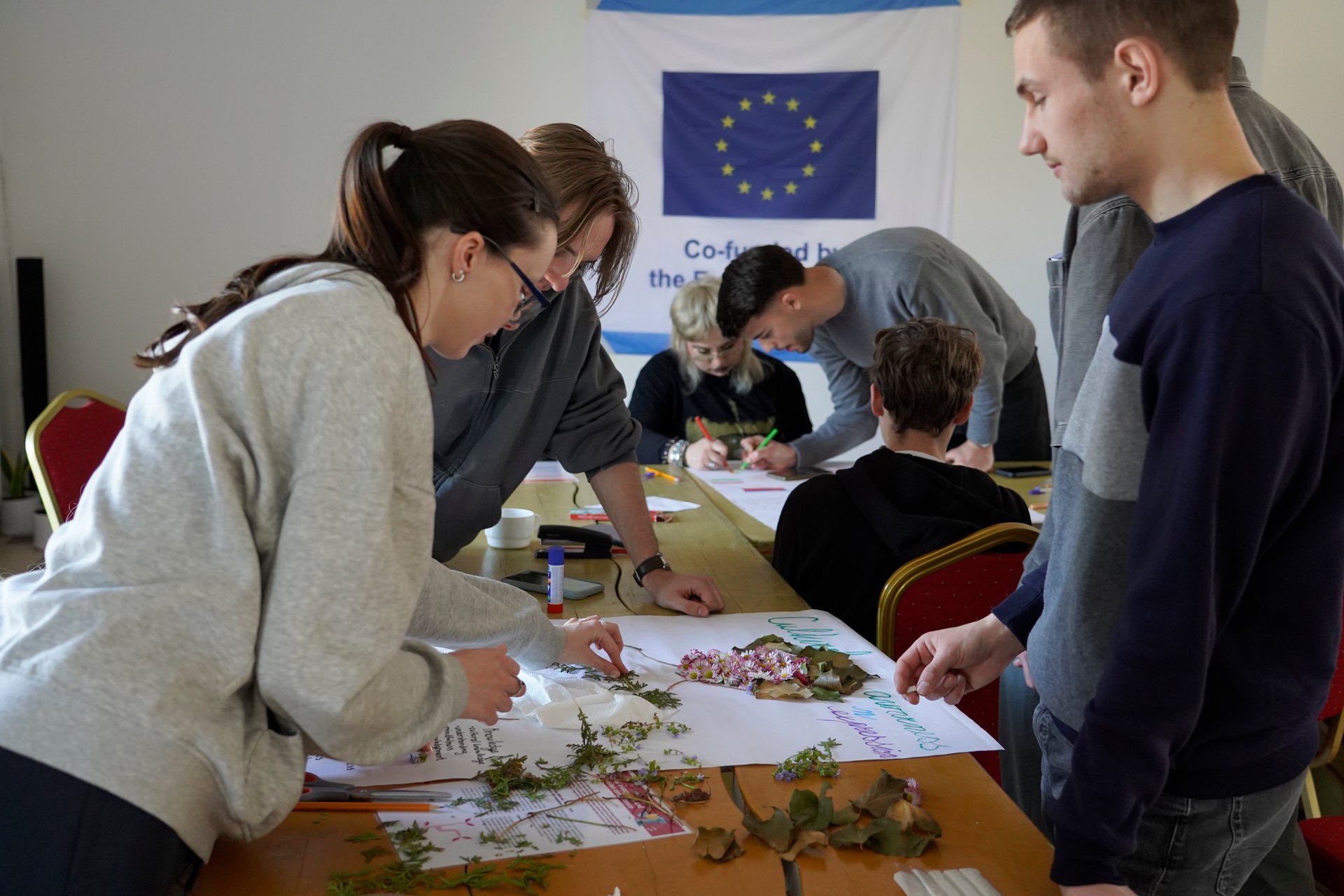
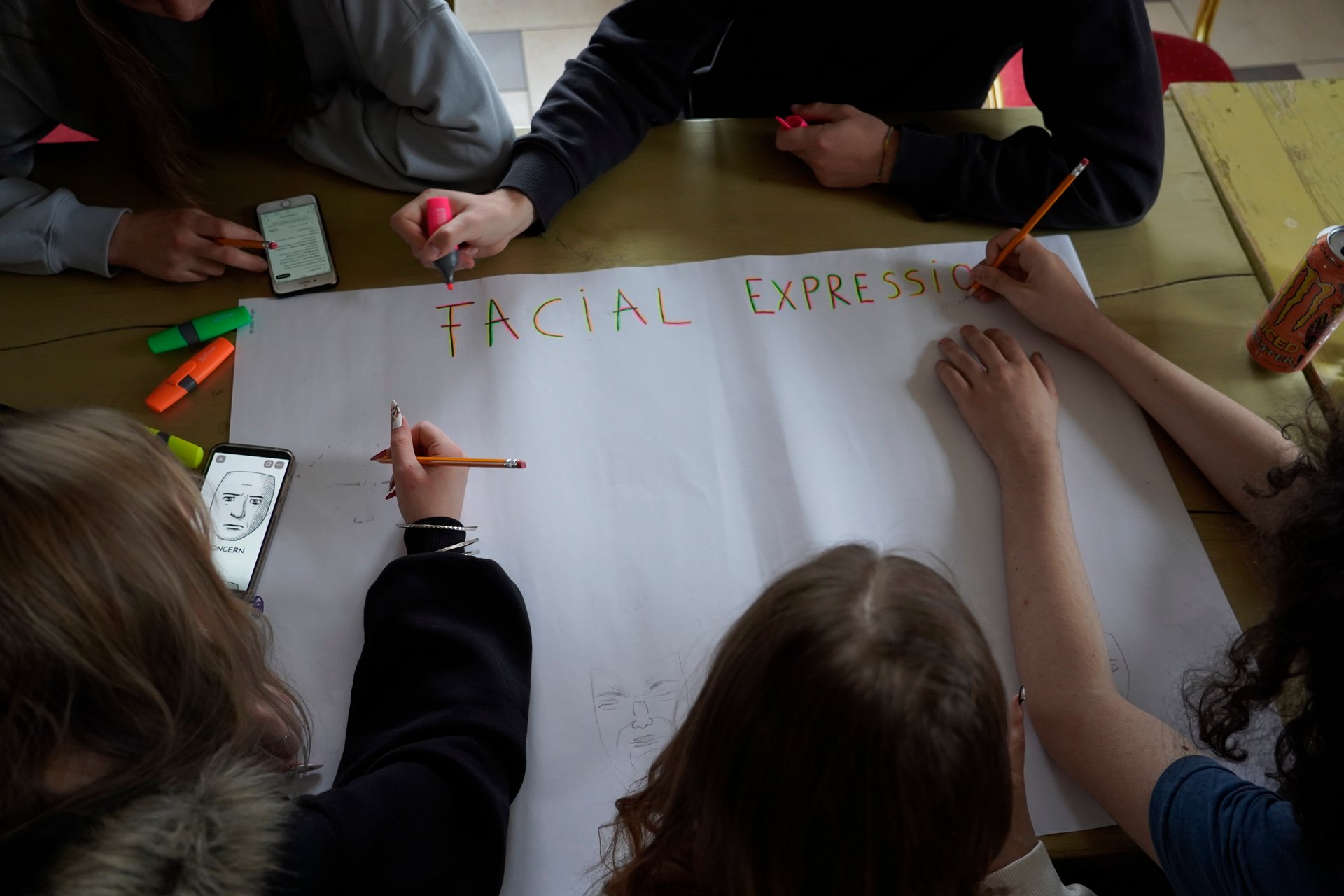
The European Key Competences arrived early, and not as a list to memorise. In small groups, participants gave each competence a face, a character whose look and habits stood in for the skill, sketched out together on a flipchart. It was a light, playful first pass at the abilities the week would grow, and a quiet introduction to the Youthpass that would recognise them at the end. Alongside it, the group agreed a shared code of conduct and put down, openly, what they hoped to gain, what they could offer, and what worried them going in.
Putting Feelings into Practice
With a shared footing in place, the topic moved off the page. International research teams dug into mental health from different angles, how society’s view of it has shifted across history, how technology pulls at it, and how tightly it ties to the body, then turned each finding into a presentation the whole group could lean on. By the end of those sessions everyone shared a common language, which made every conversation that followed easier and more honest.
Then came the hands-on work, where the week really found its rhythm. In Theatre of the Oppressed, participants tried out emotional regulation techniques while defusing deliberately over-the-top scenes, stepping in as an audience to change how a situation unfolded. The session tested adaptability, creativity, and teamwork as much as it tested anyone’s grasp of emotions, and it pulled plenty of laughter out of some genuinely tricky moments.
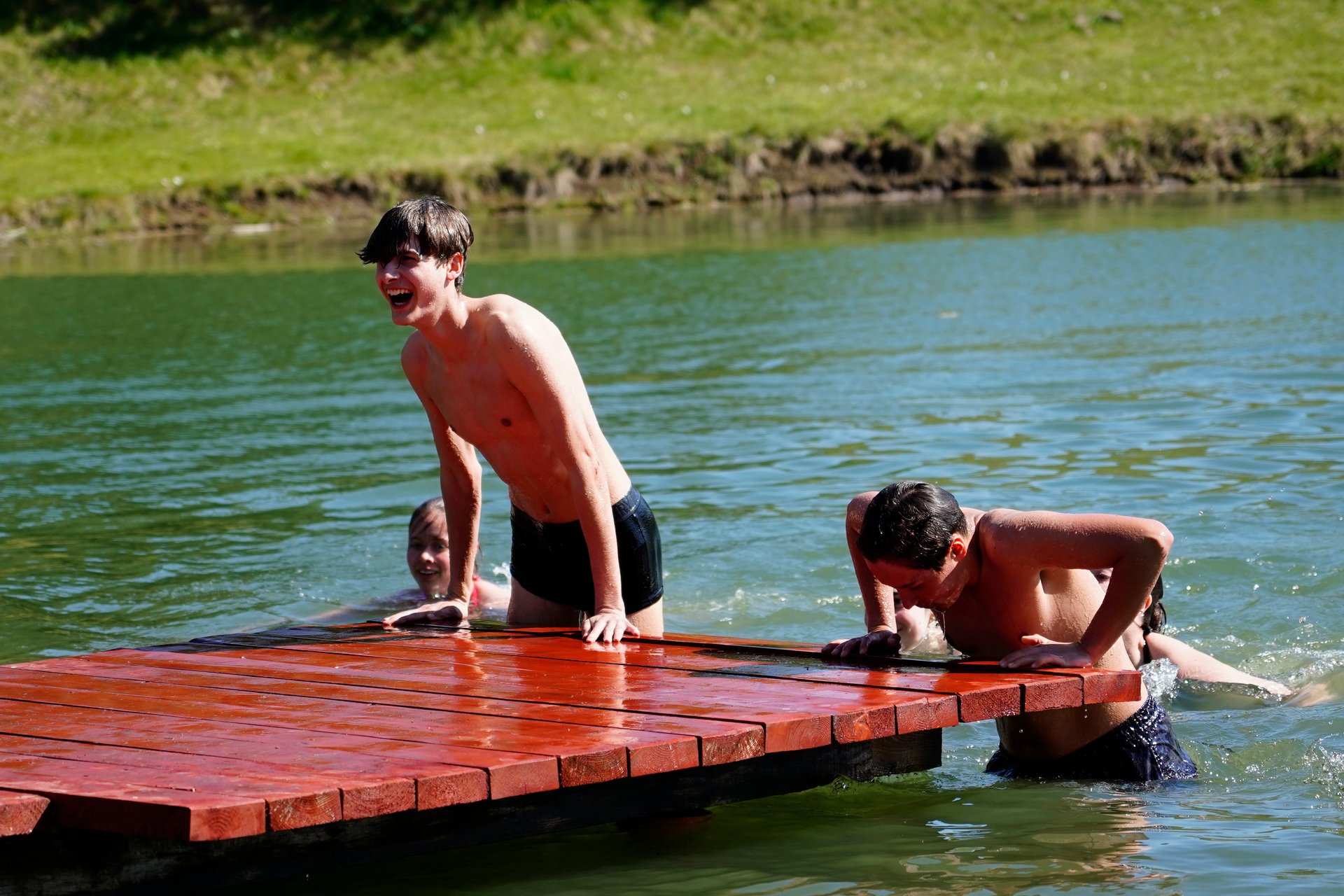
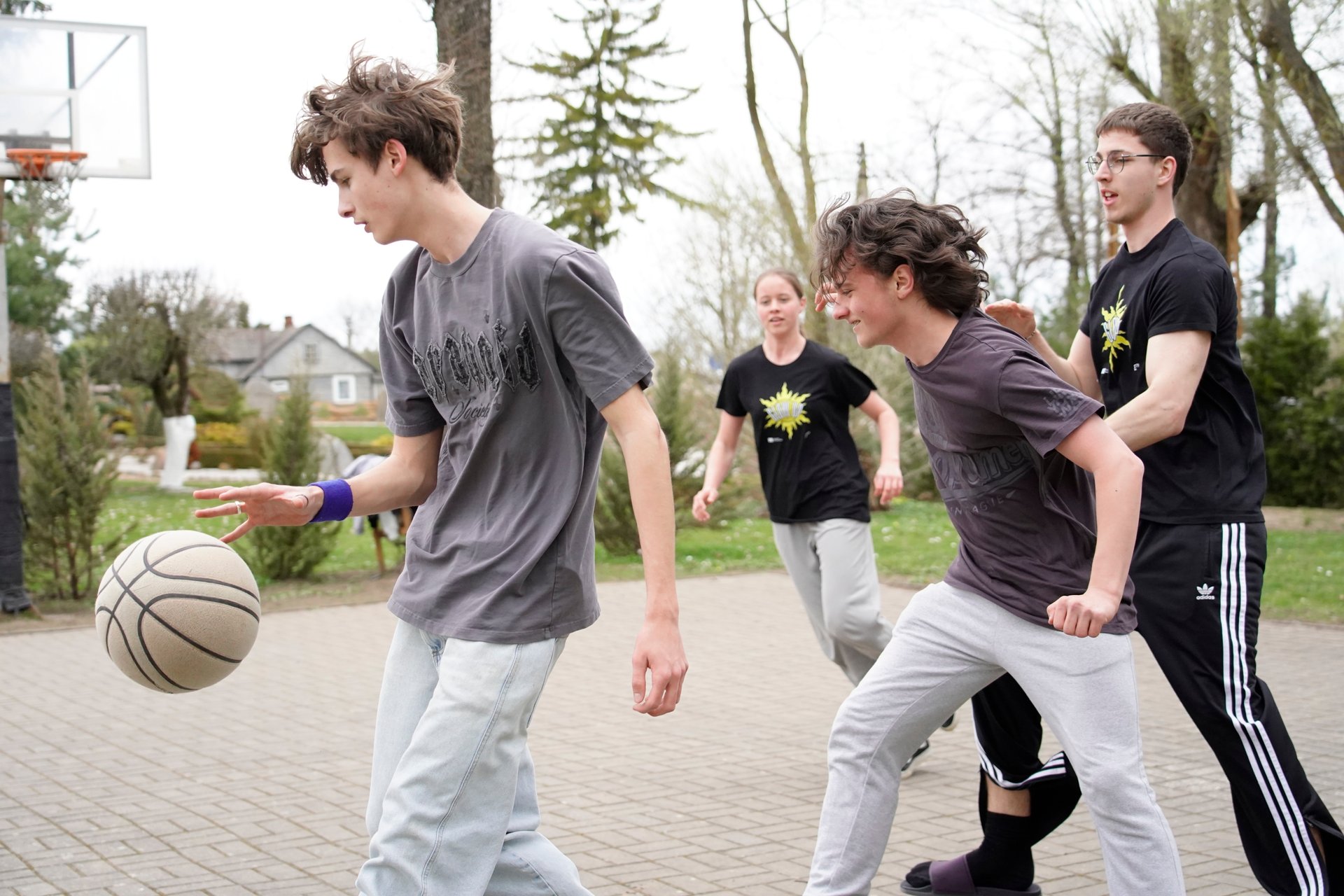
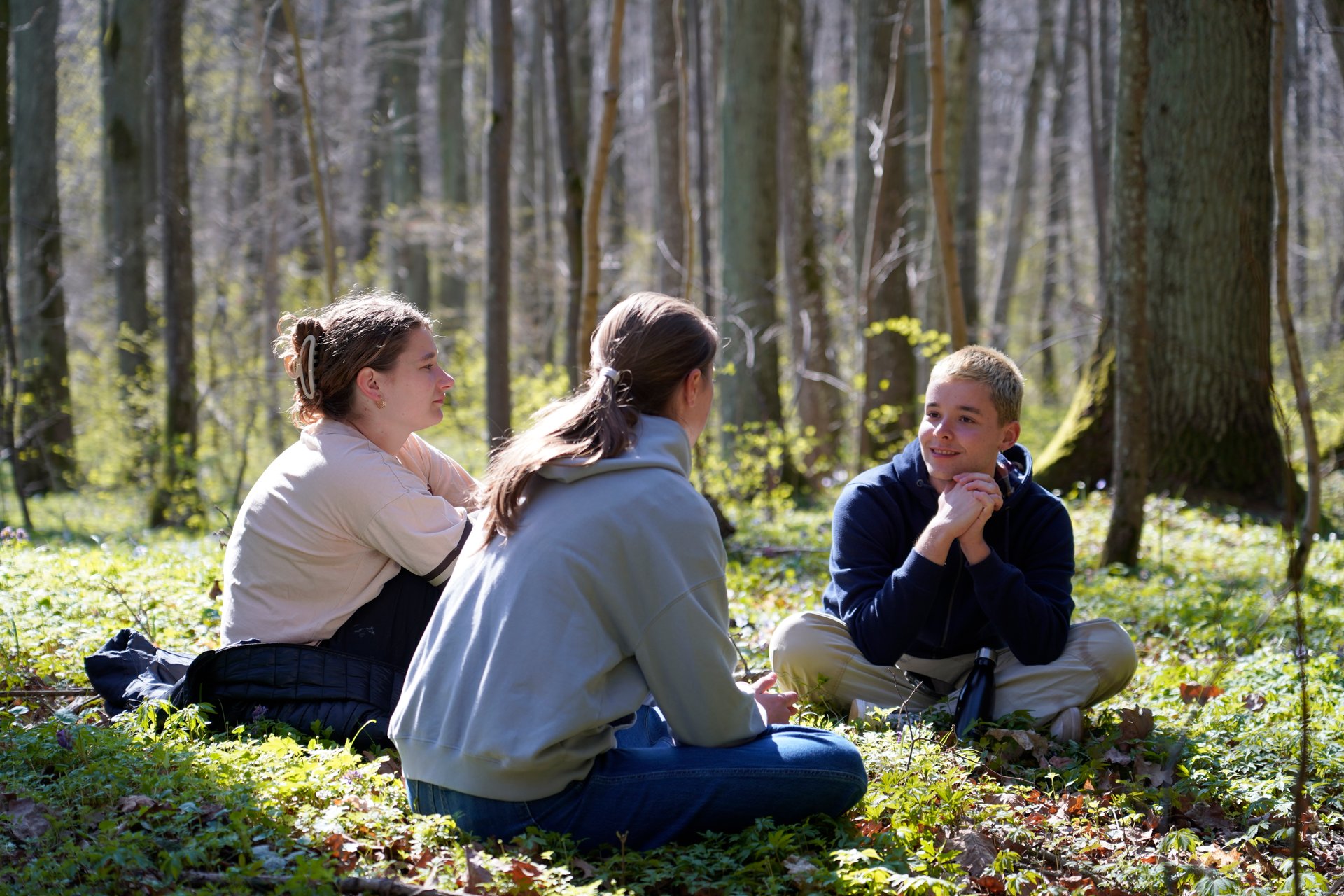
A full day turned to movement. The group signed up for volleyball, basketball, pilates, and yoga, then sat with how they felt before and after each session. The reflection landed on something most already suspected but rarely name out loud: movement and shared effort can lift even the greyest mood. A forest walk and a quiet nature meditation earlier in the week had pointed at the same idea from the other direction, that stillness and attention can do as much for the mind as activity does.
Sessions of Their Own Making
The session that captured the week best was My Struggles, My Resolutions. There, participants named the well-being topics they most wanted to dig into and then designed and ran the sessions around them, the agenda shaped by the group for the group.
What they built carried the following days. They worked out how to read emotions through facial cues, eye behaviour, Plutchik’s wheel, and a mood meter, putting names to states that usually slip past unnoticed. They drew life maps and looked at the cathartic effect of seeing a whole life laid out on paper, and they mapped feeling onto music, drawing to a run of songs and watching how mood shifted with sound. In Echoes of the Mind they compared expressing emotion in their native language against doing it in English, and found how much the words available to us shape what we can actually say.
People-pleasing came up in a session the group named Beyond Yes. Before anyone reached for a camera, the conversation turned honest, the times people said yes when they meant no, or put everyone else first until there was little left for themselves. Those reflections became short, reel-style films about how the habit quietly steers the smallest everyday choices, and watching them back opened up a frank discussion about where it comes from and what healthier boundaries might look like.
Three Cultural Nights
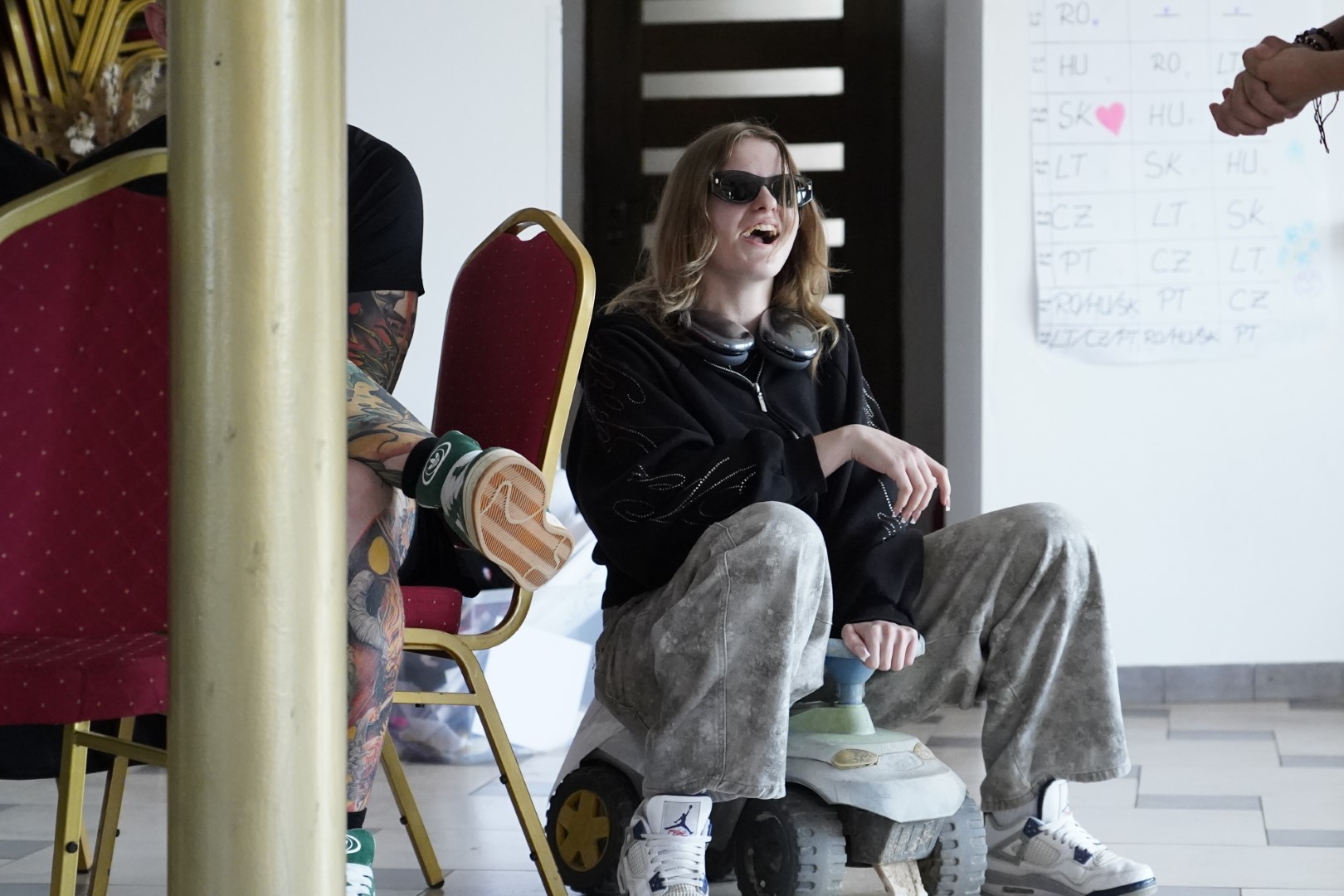
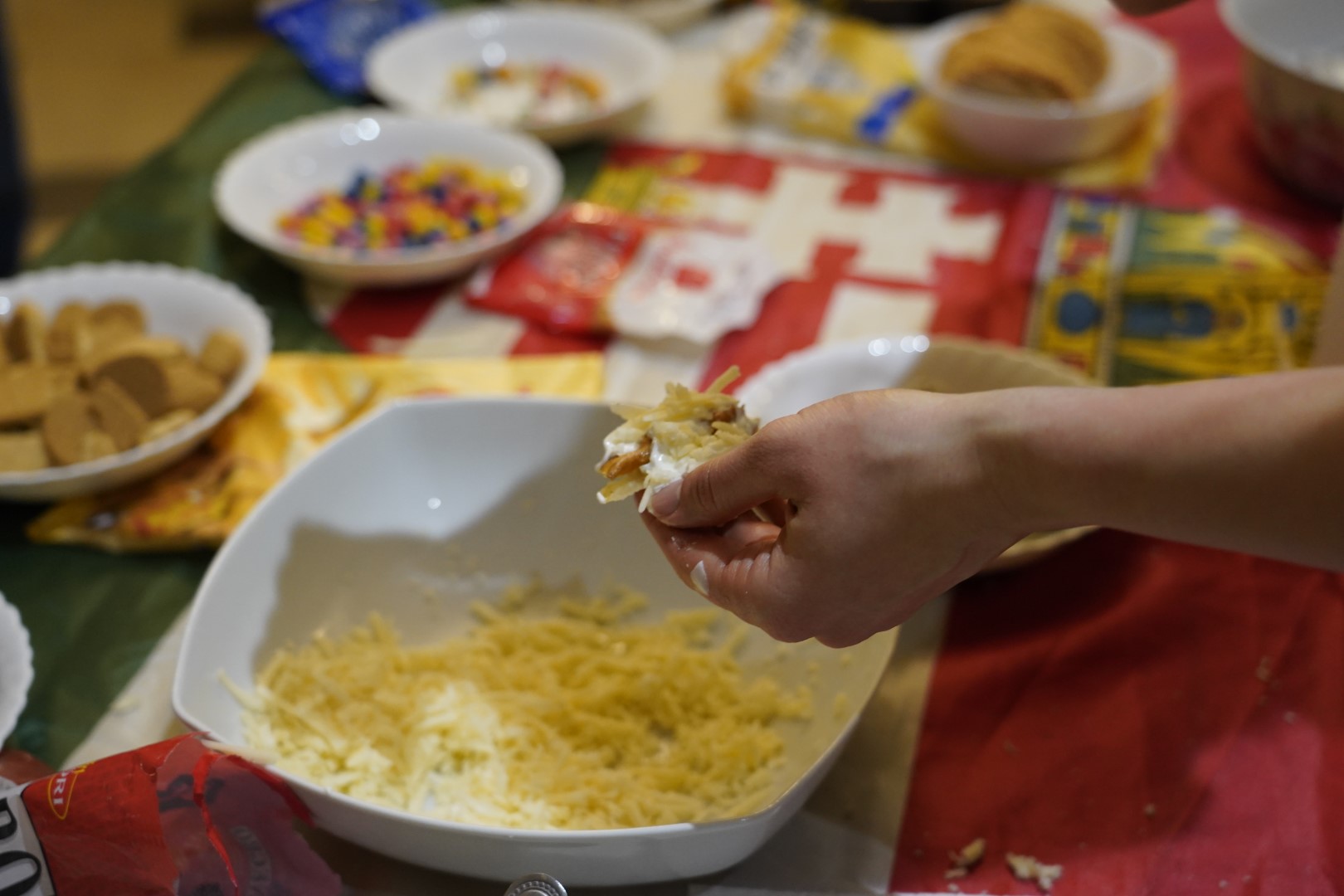
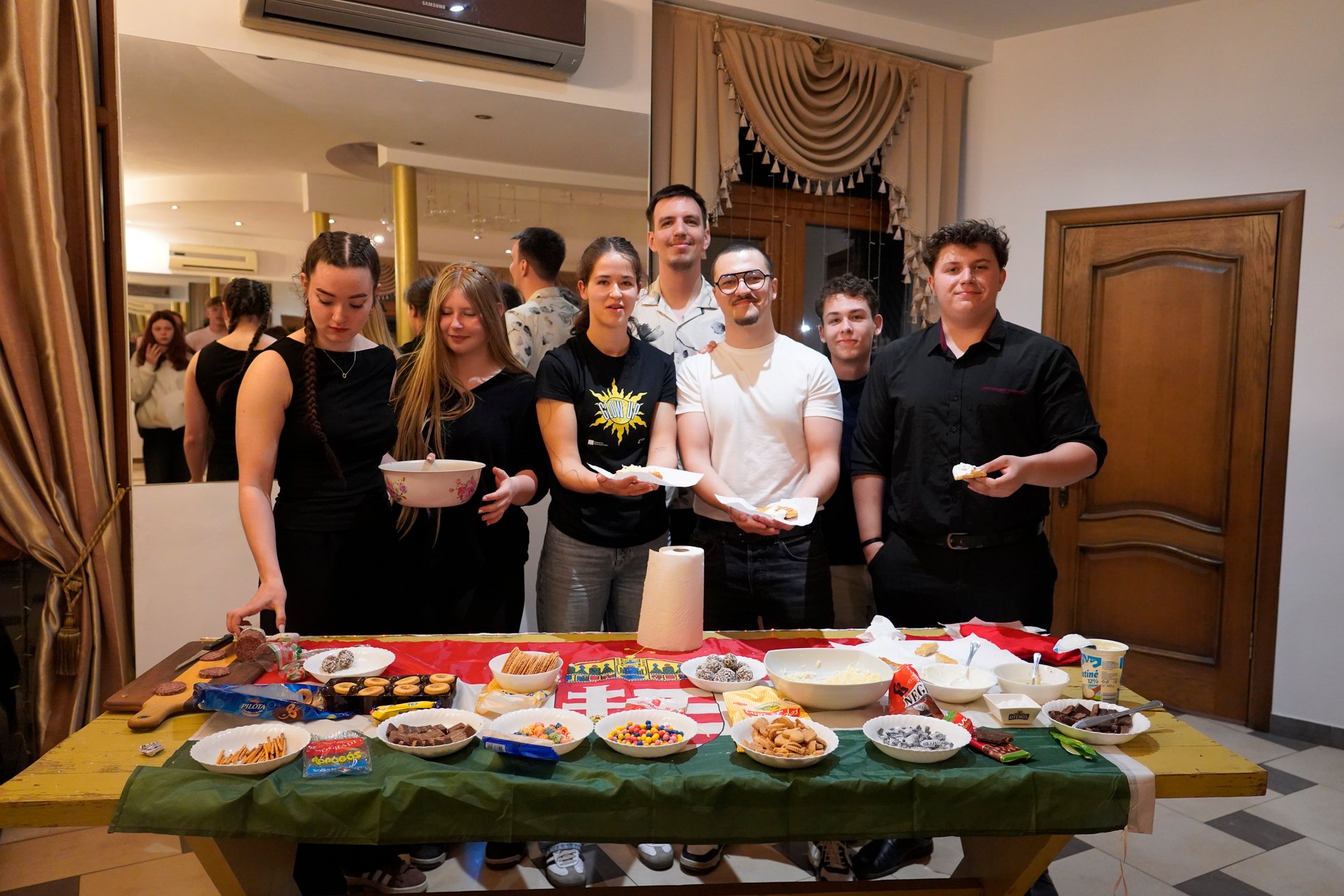
The group’s range showed plainly across three intercultural evenings, each shared by two countries: Portugal with Lithuania, Czechia with Slovakia, Hungary with Romania. Flags went up in the session room, tables filled with food carried from home, and dances and fun facts drew out both the overlaps and the surprises between countries. Each participant brought a piece of home, and that small act of showing it off, a recipe, a song, an odd national habit, carried a quiet pride that filled the room.
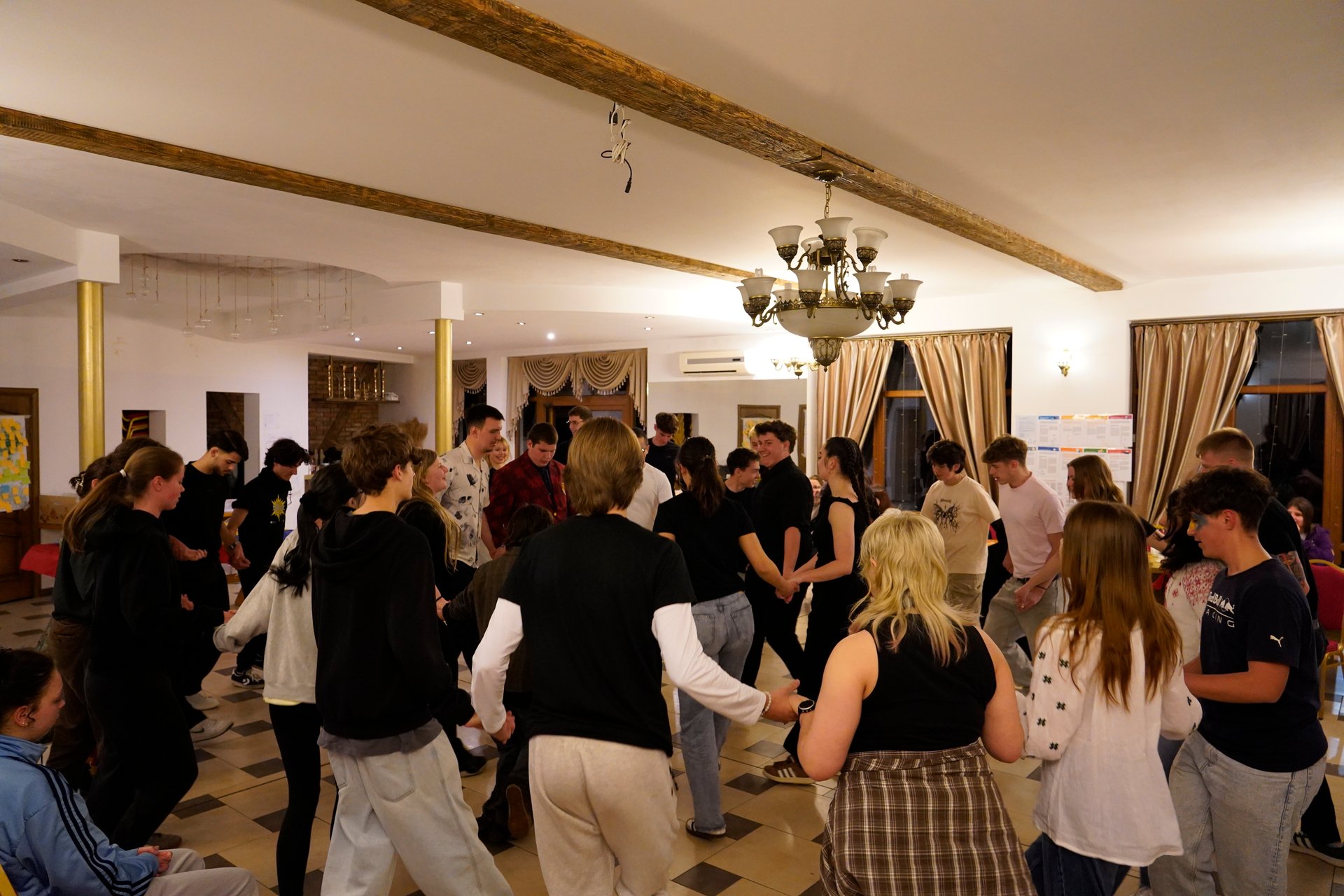
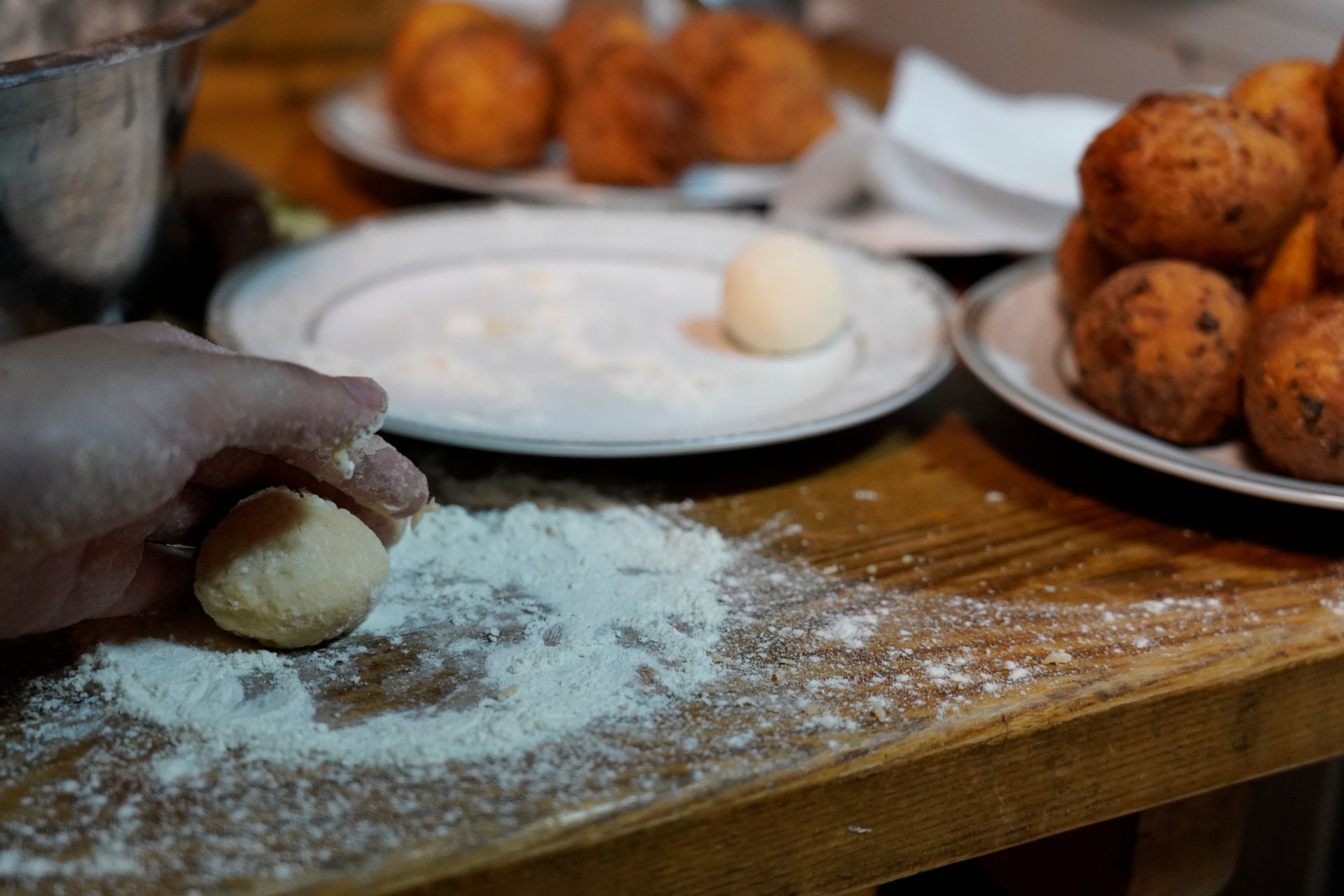
Our own turn came on the night Hungary and Romania took the floor. Our team set out a full table of dishes brought and made from home, the kind of spread that turns into a tasting session as plates pass from hand to hand. Once the food had done its rounds, the whole room moved from the table to the floor and folded into a long, laughing run of folk dancing that carried the evening past the last bite.
What Travelled Home With Us
On the last day, between Youthpass certificates and a round of goodbyes heavier than anyone expected, the group turned its reflections outward. Participants wrote a collaborative piece about the week and worked out how they would carry it into their own friend groups, schools, and communities.
Our participants came home with more than a topic covered. They came back with sessions they had designed and run themselves, a fuller vocabulary for naming their own feelings, and a set of friendships that outlasted the distance between them. The activity was part of Keliauk Kad Keistum’s Erasmus+ Accreditation, co-funded by the European Union, and for our team it did exactly what an exchange should: it sent them somewhere new and gave them something practical to bring back.
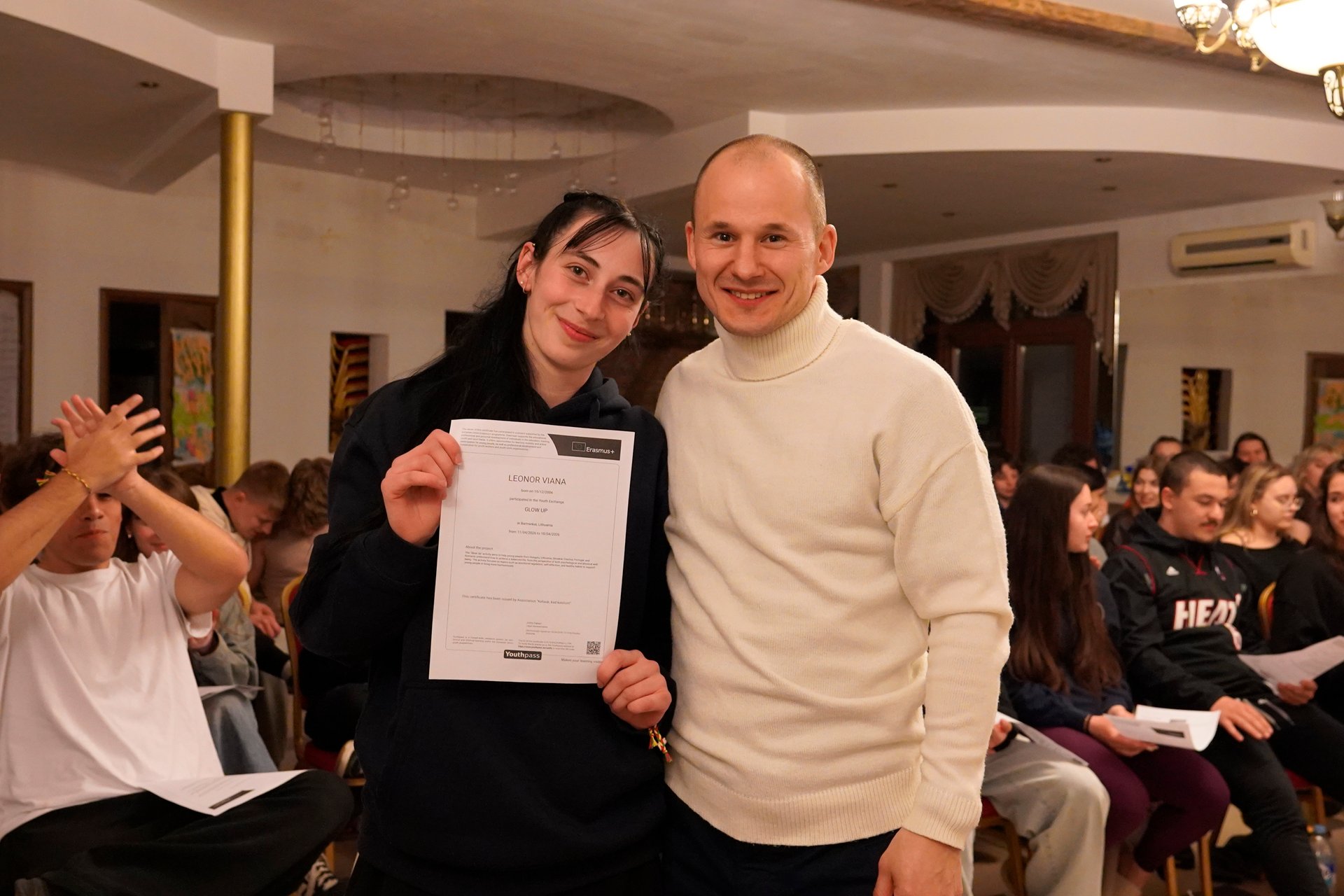
Photo Gallery
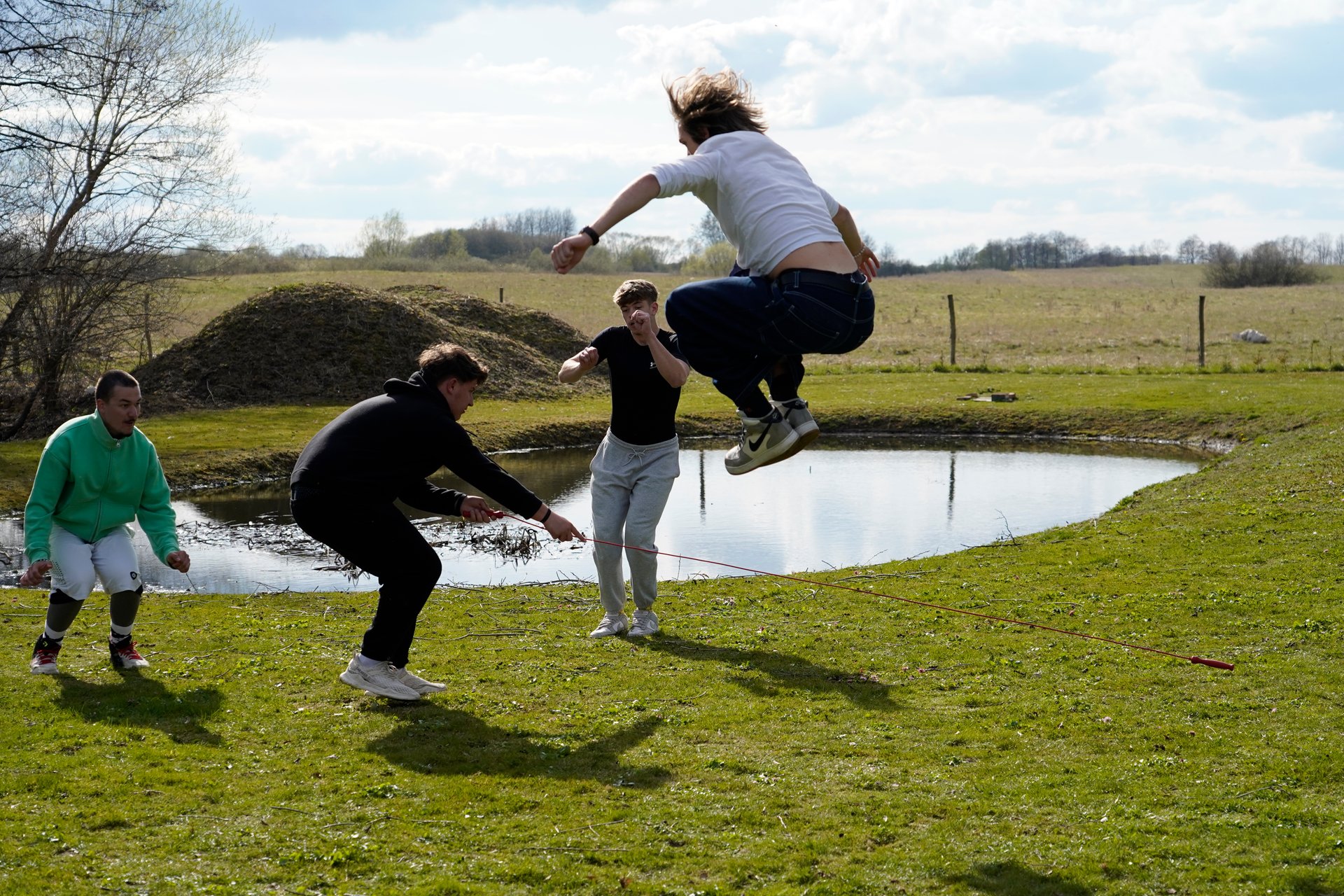
A few more moments from this activity :)
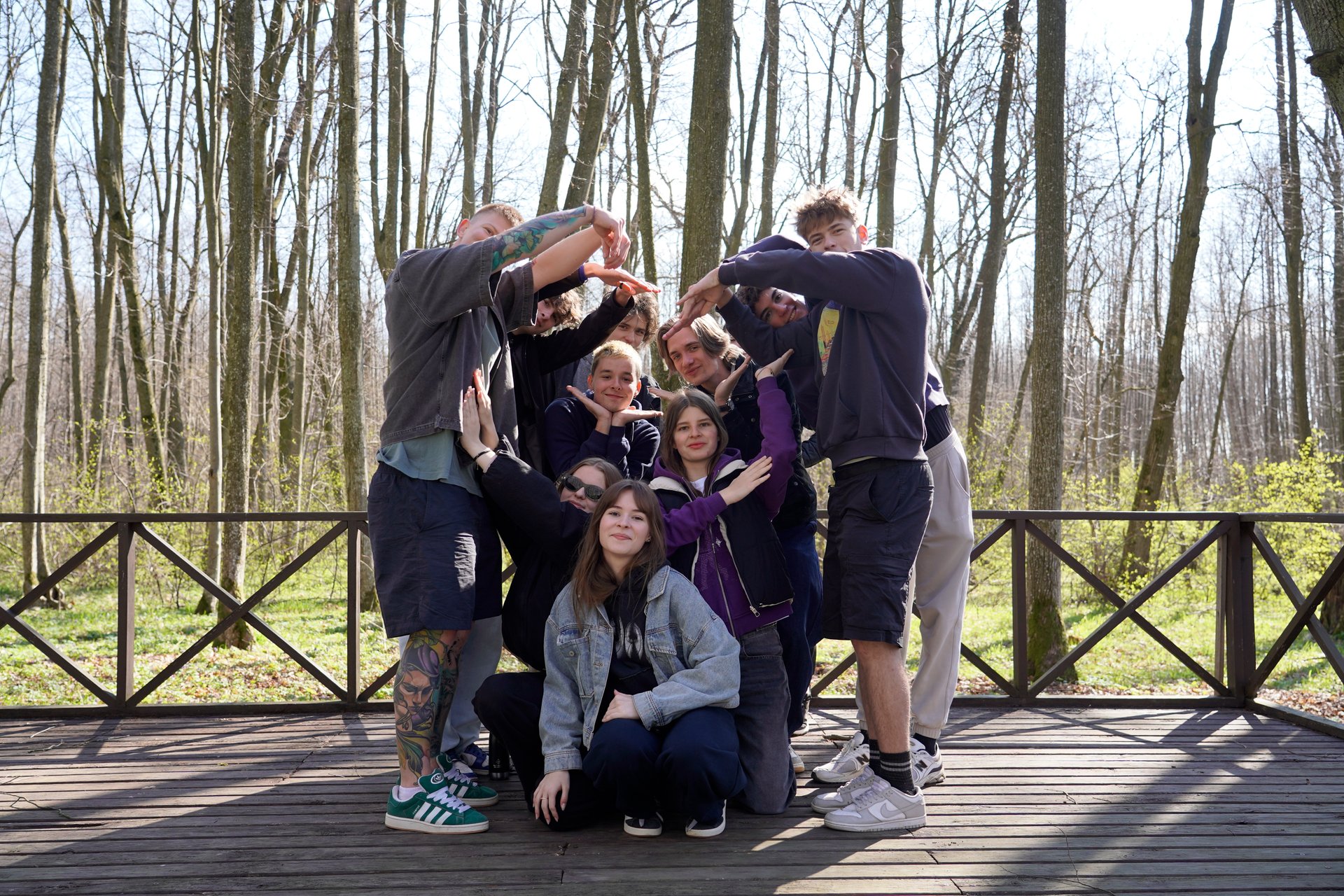
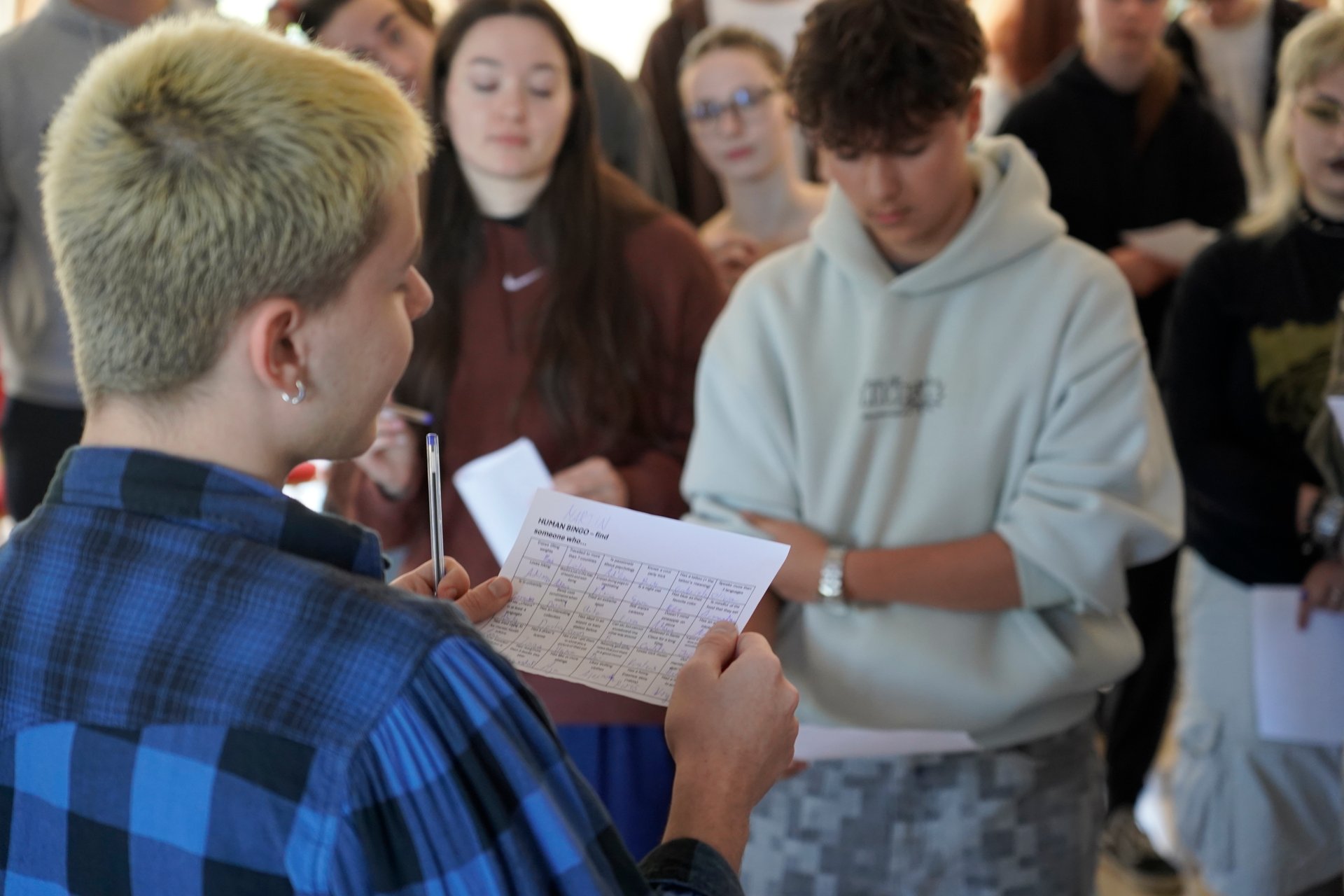
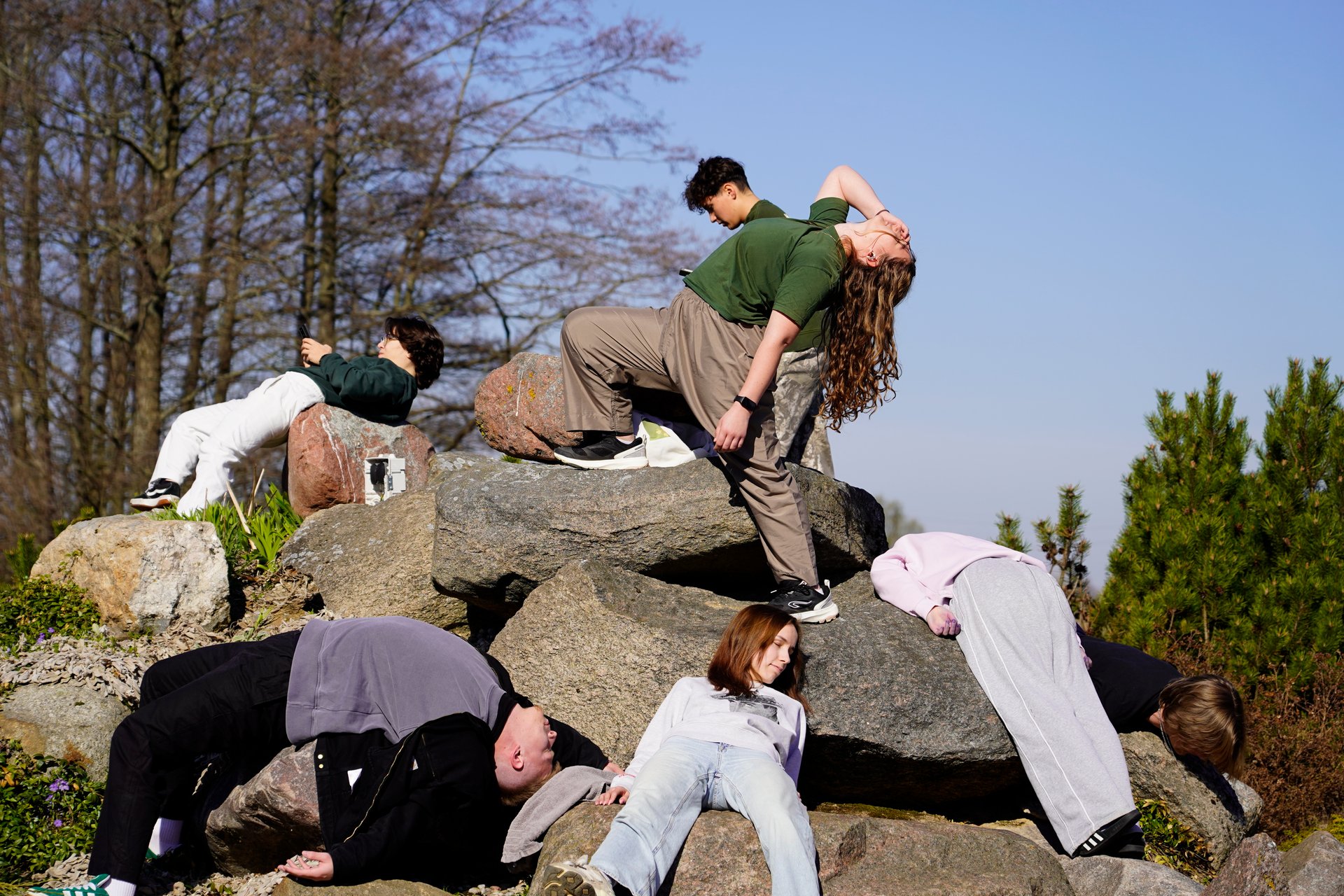
Check these and more photos in the activity’s photo album.