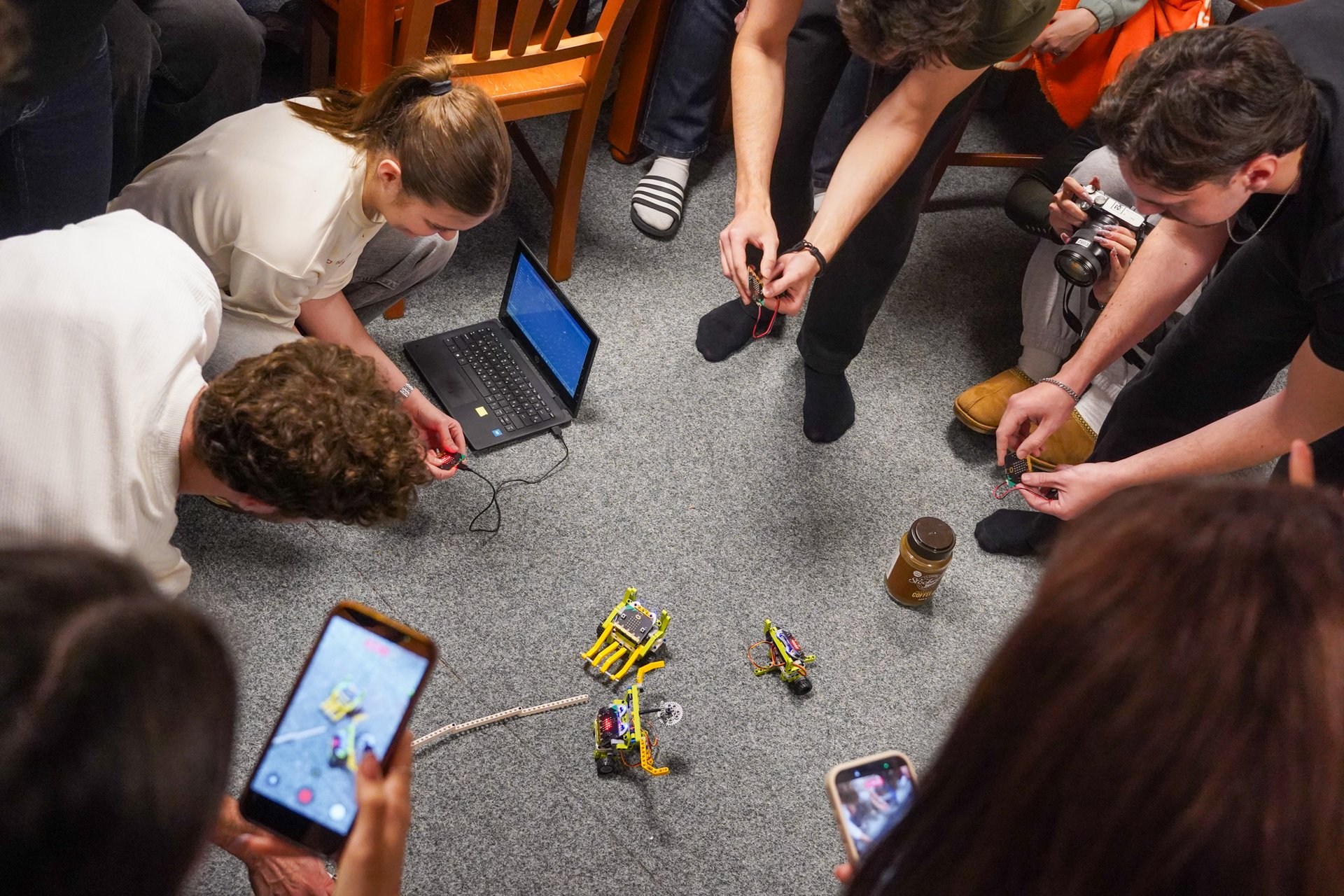
On day nine in Rokytnice nad Jizerou, a small table held a sensor, a controller, and a tangle of jumper wires. Someone touched the sensor, a light answered on the other side of the circuit, and the room reacted as if a goal had been scored. That moment had been nine days in the making. eXploreTech, a youth exchange we ran with our partners in the mountains of northern Czechia, was built to close a specific gap: most young people use connected devices constantly, and very few have ever seen what happens between the touch and the response.
Our participants came from Czechia, Hungary, Lithuania, Portugal, Romania, Serbia and Slovakia, and they arrived with exactly that mix of fluency and blind spots. The programme was designed to work through the blind spots in order.
Mapping the Invisible
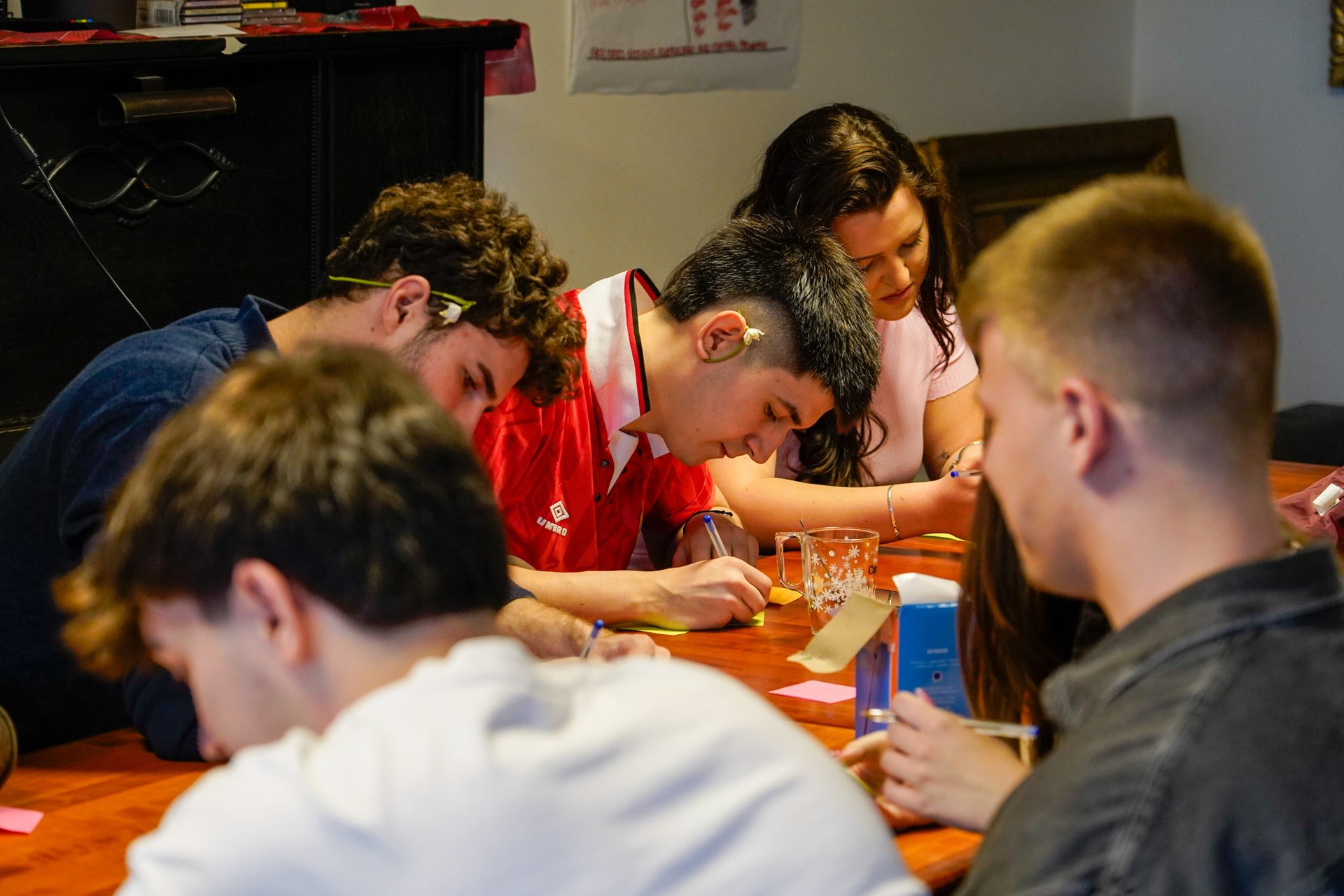
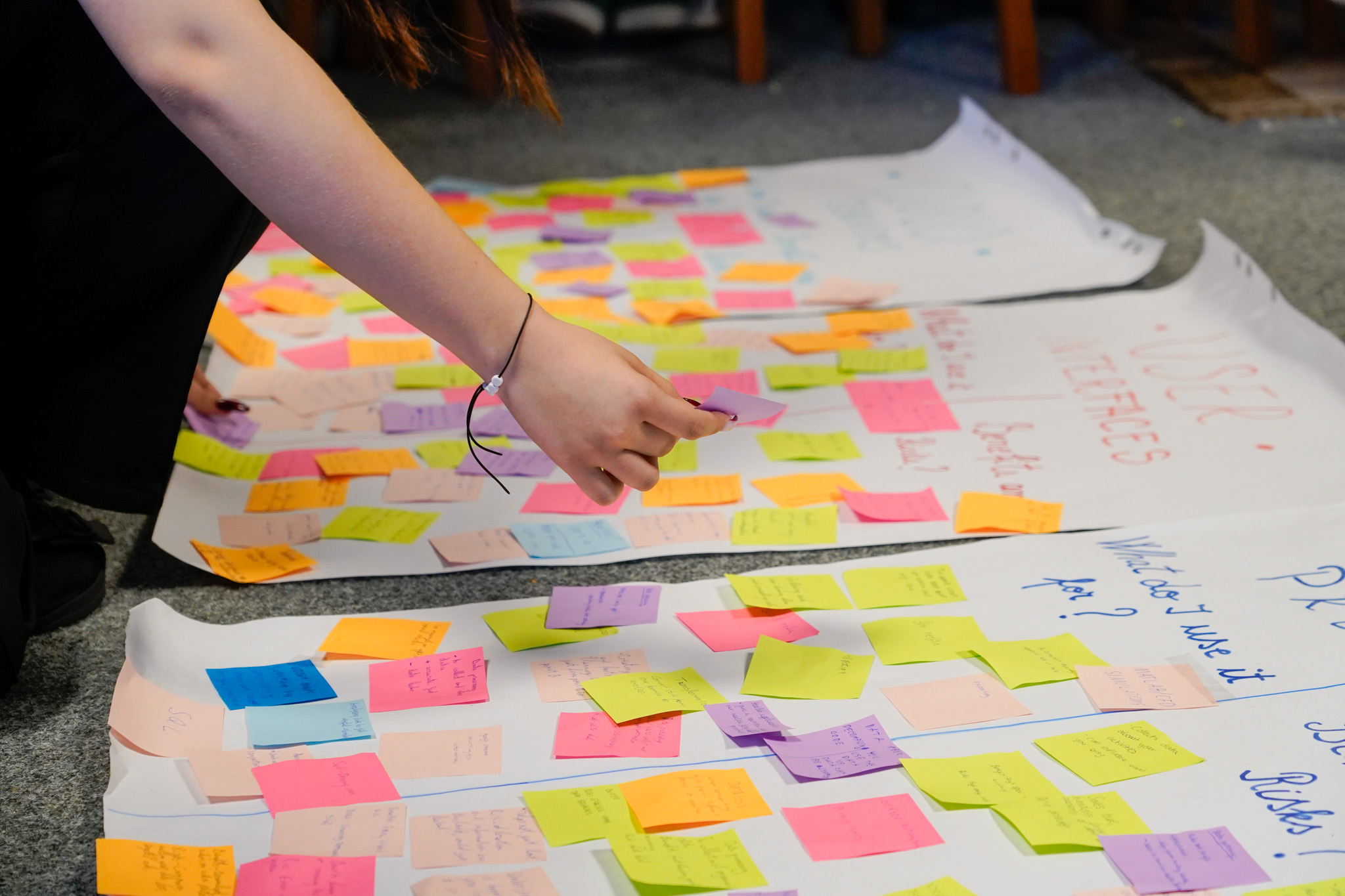
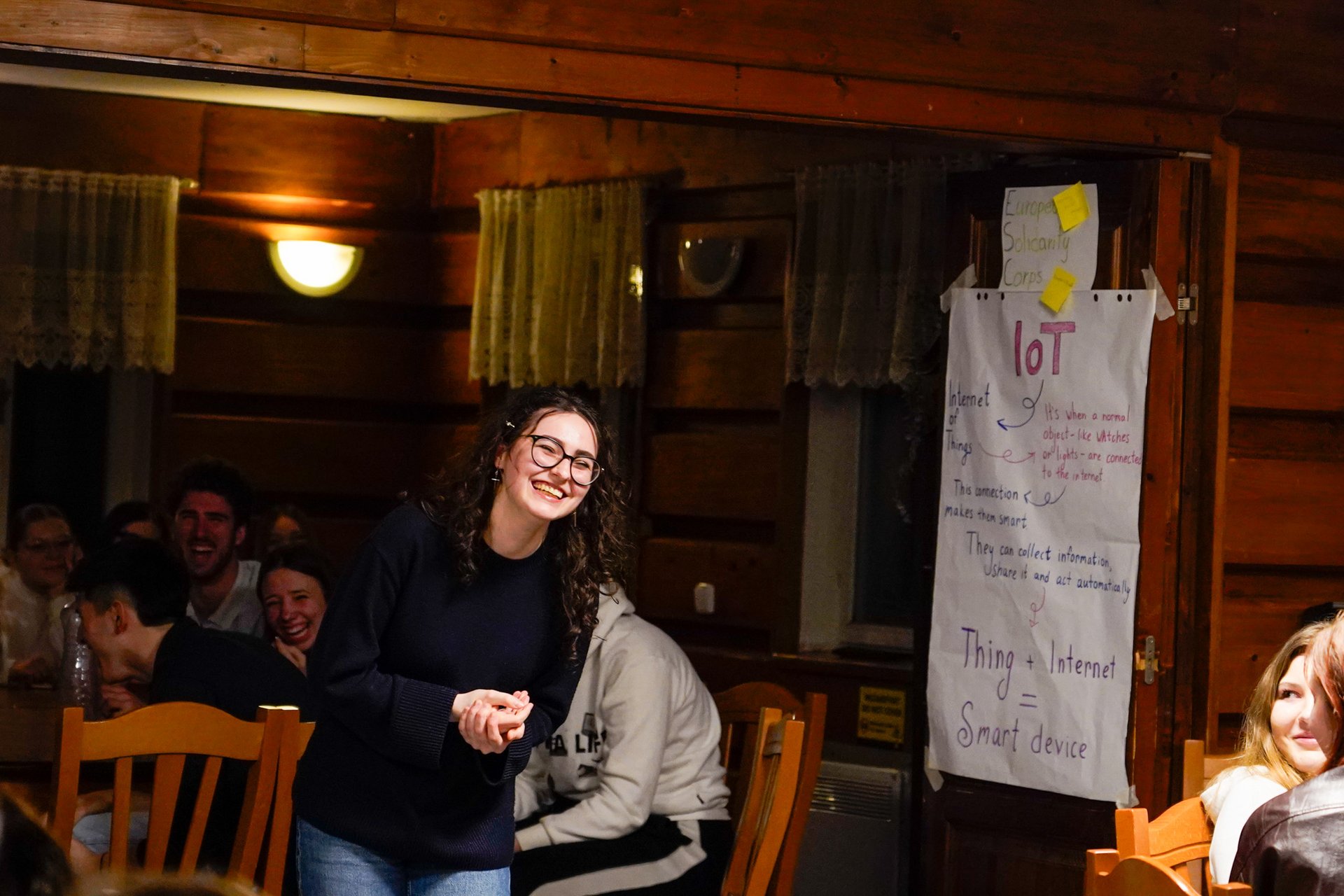
The technical work started close to home. In the IoT in Daily Life Mapping session, six flipcharts went up on the wall, one for each part of a connected system, and participants filled them with sticky notes recording every smart device they meet in a normal day, weighing each one for benefits and risks. It is a simple exercise with an uncomfortable result: the wall fills up faster than anyone expects.
From there, How IoT Makes Decisions followed a single piece of data through a system, using everyday examples like smart lighting to show how a reading becomes an action. The group stopped treating their devices as sealed boxes and started asking what was inside.
Becoming the System
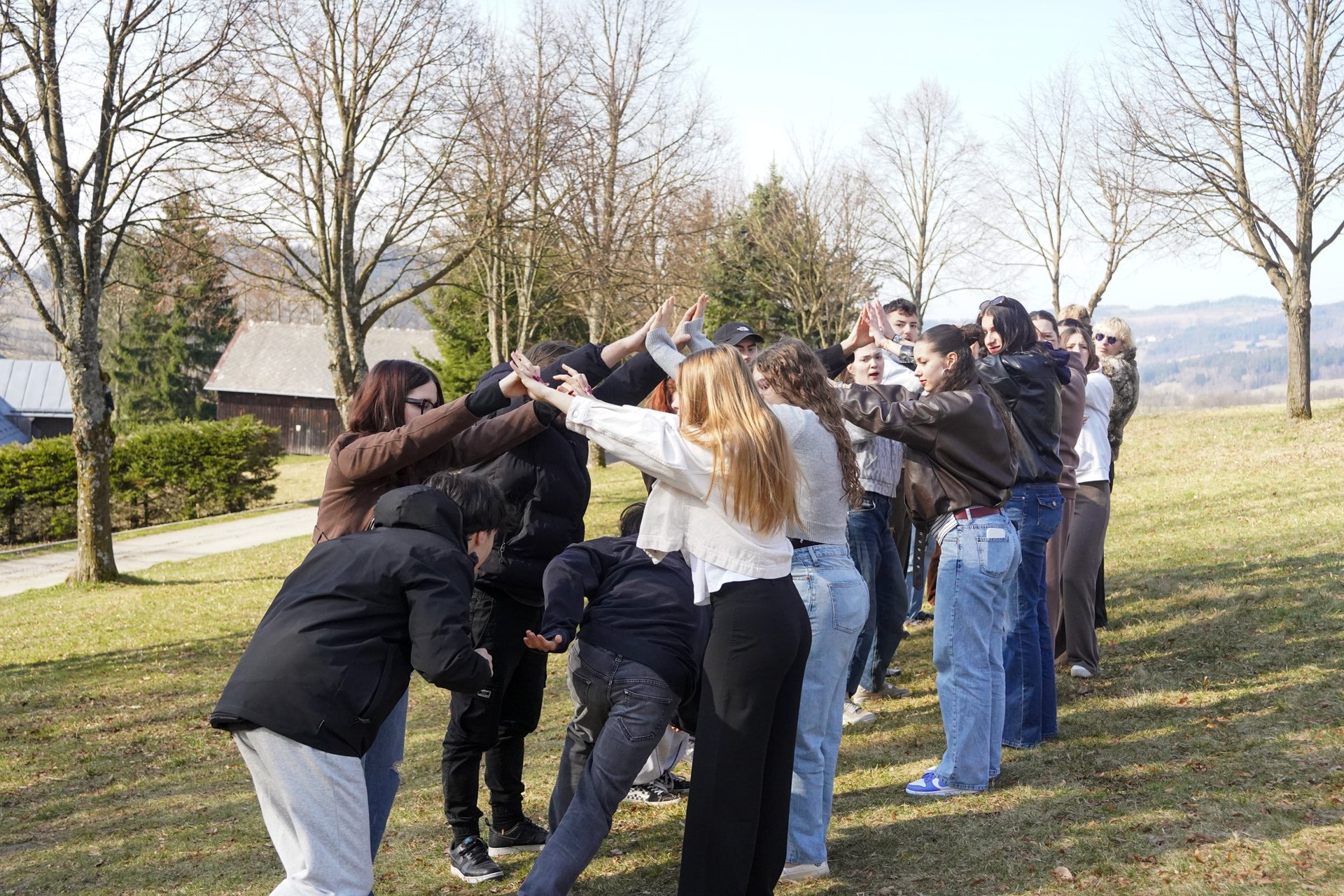
The most effective sessions asked participants to play the technology rather than study it. In Data Journey, teams role-played a full IoT system: one person as a sensor, one as the network, one as the server, passing information along the chain and feeling where it slows down, leaks, or gets misread. In Data Policymakers for a Day, they switched sides entirely and wrote their own rules for how data in connected systems should be handled.
Then they turned the ideas into media. In the Data & IoT Through Short-Form Media session, each group took one concept, from sensors to weak passwords, and explained it in a short social-media-style video in their own voice. The results ranged from straight explainers to full comedy sketches.
Sensors: The Nervous System of IoT, one of the short-form videos made during the exchange
Arguing With the Smart Home
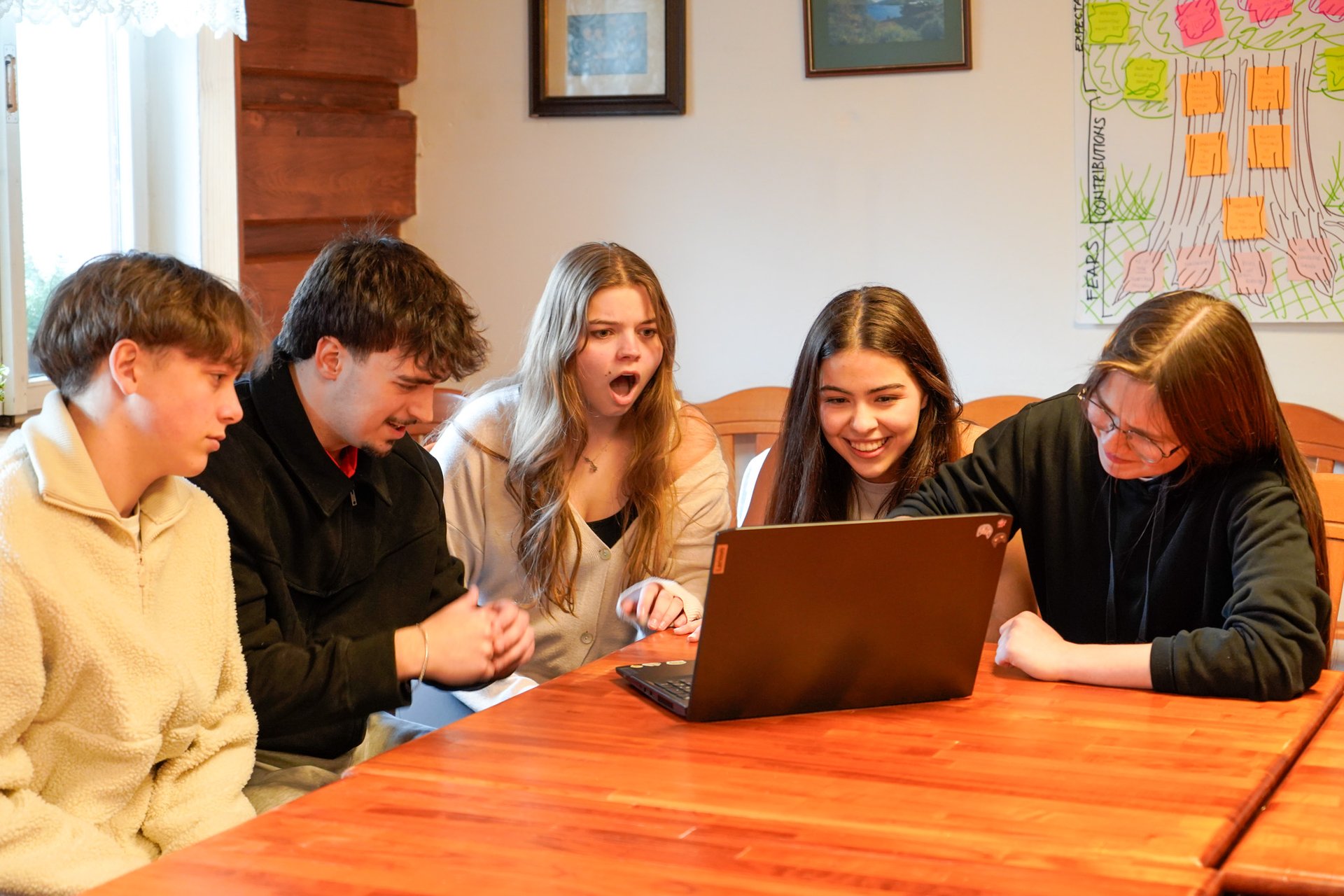
Midway through the exchange the focus turned to the devices people actually live with. Participants rotated through hands-on Smart Home Stations, asked What Makes a Device “Smart”?, and then took positions in a Smart Home Ethics Debate on voice assistants, cameras, and health trackers. The debate mattered because there was no clean answer: the same camera that makes a home safer also watches everyone in it. Hearing that trade-off argued by peers from six other countries gave it more weight than any presentation could.
From Code to Action
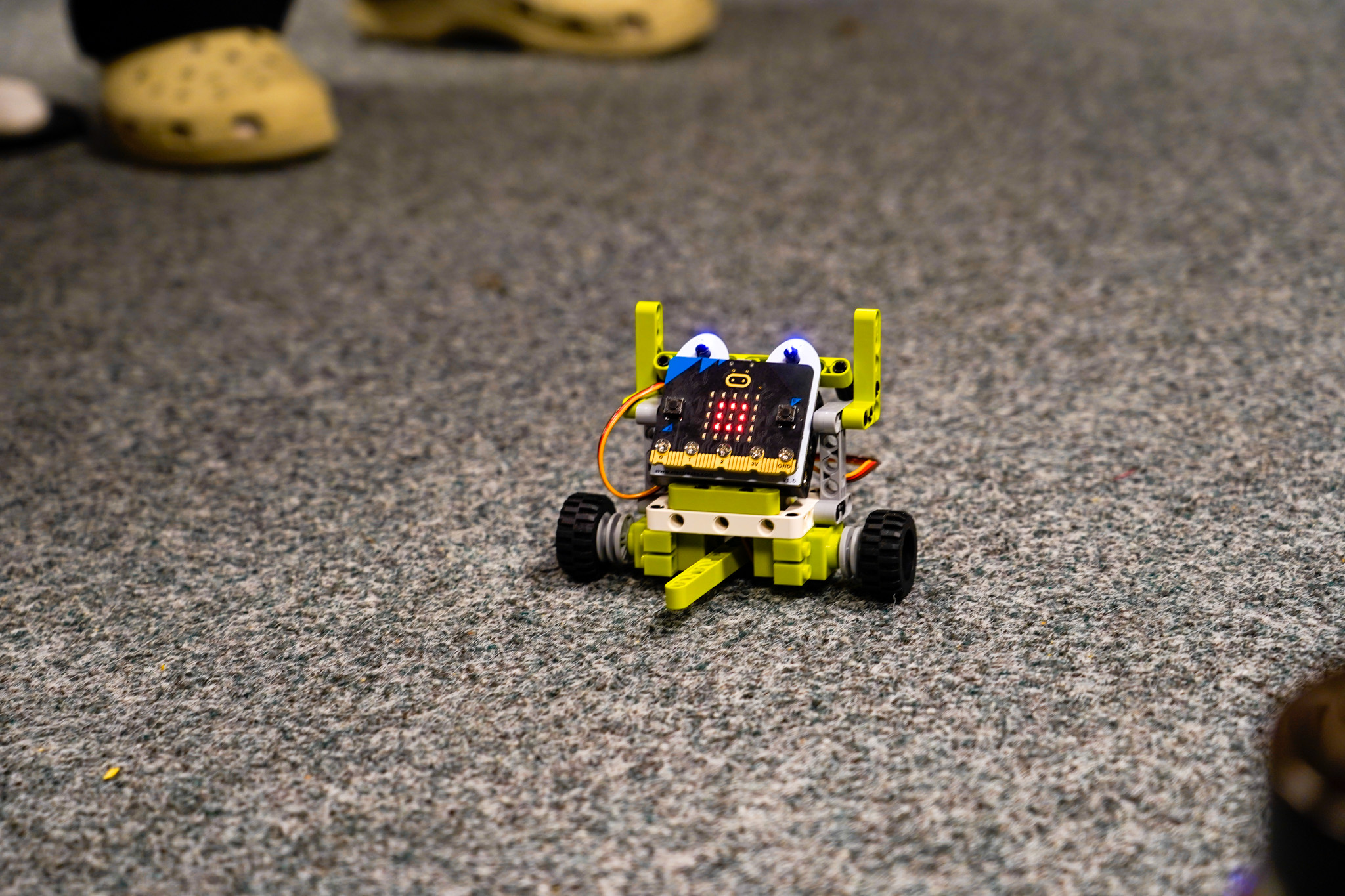
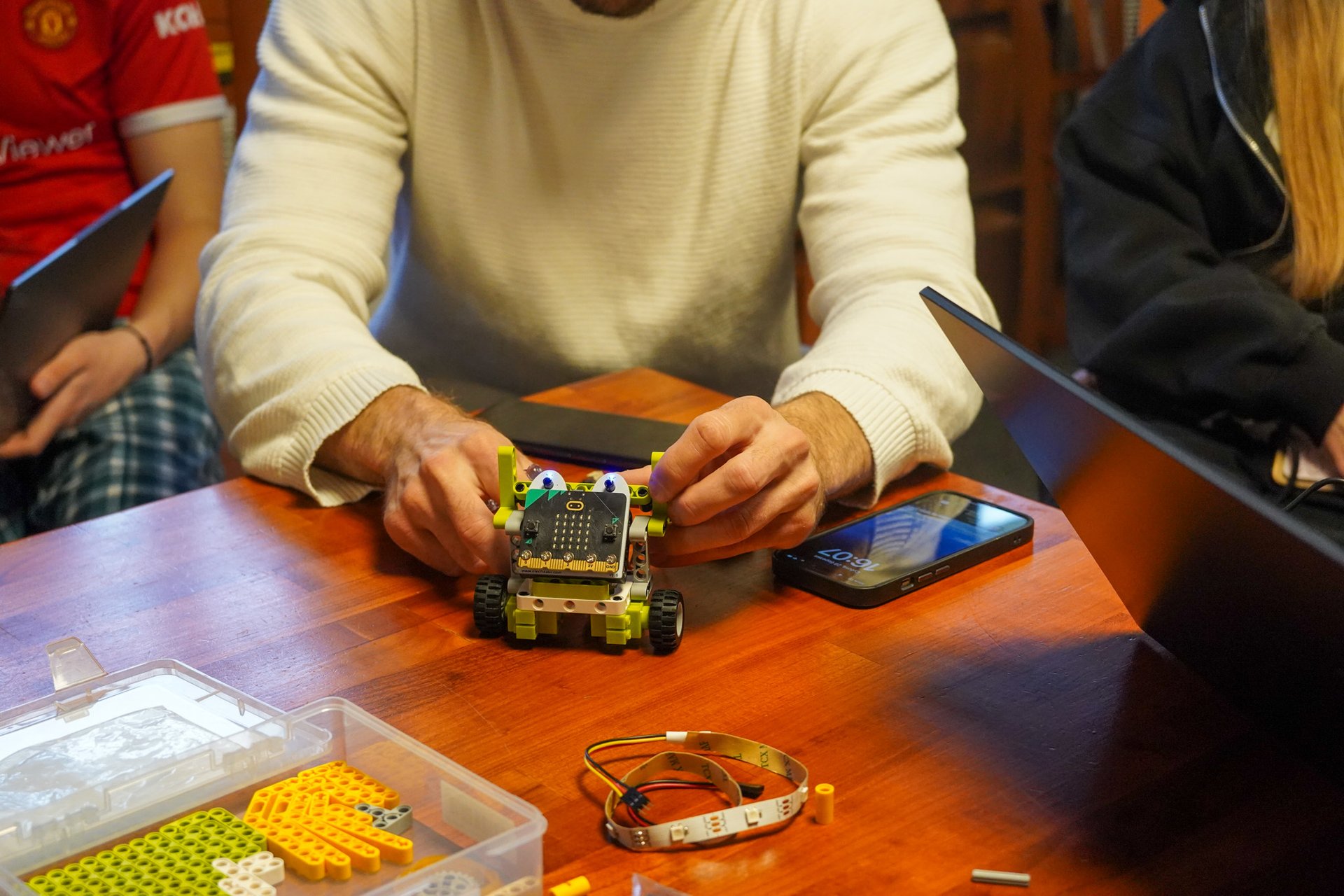
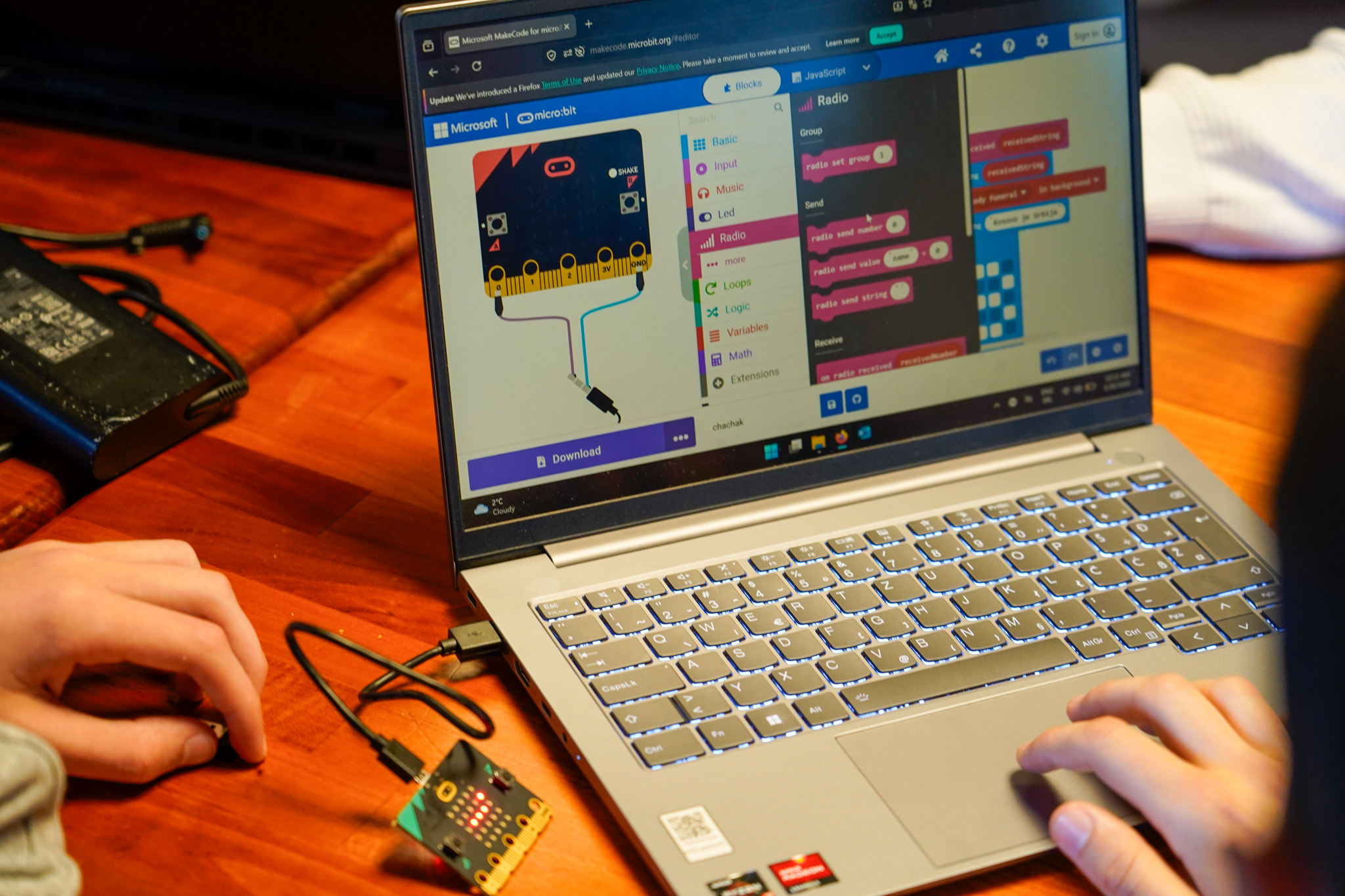
The final days delivered the payoff. Sessions on IoT hardware and how IoT systems are programmed led into a guided walkthrough and then Building a Simple IoT System, where the wiring table from the opening of this article did its work. Participants connected sensors to a controller and triggered real outputs, and the abstract vocabulary of the programme, inputs, signals, responses, suddenly had hands and consequences.
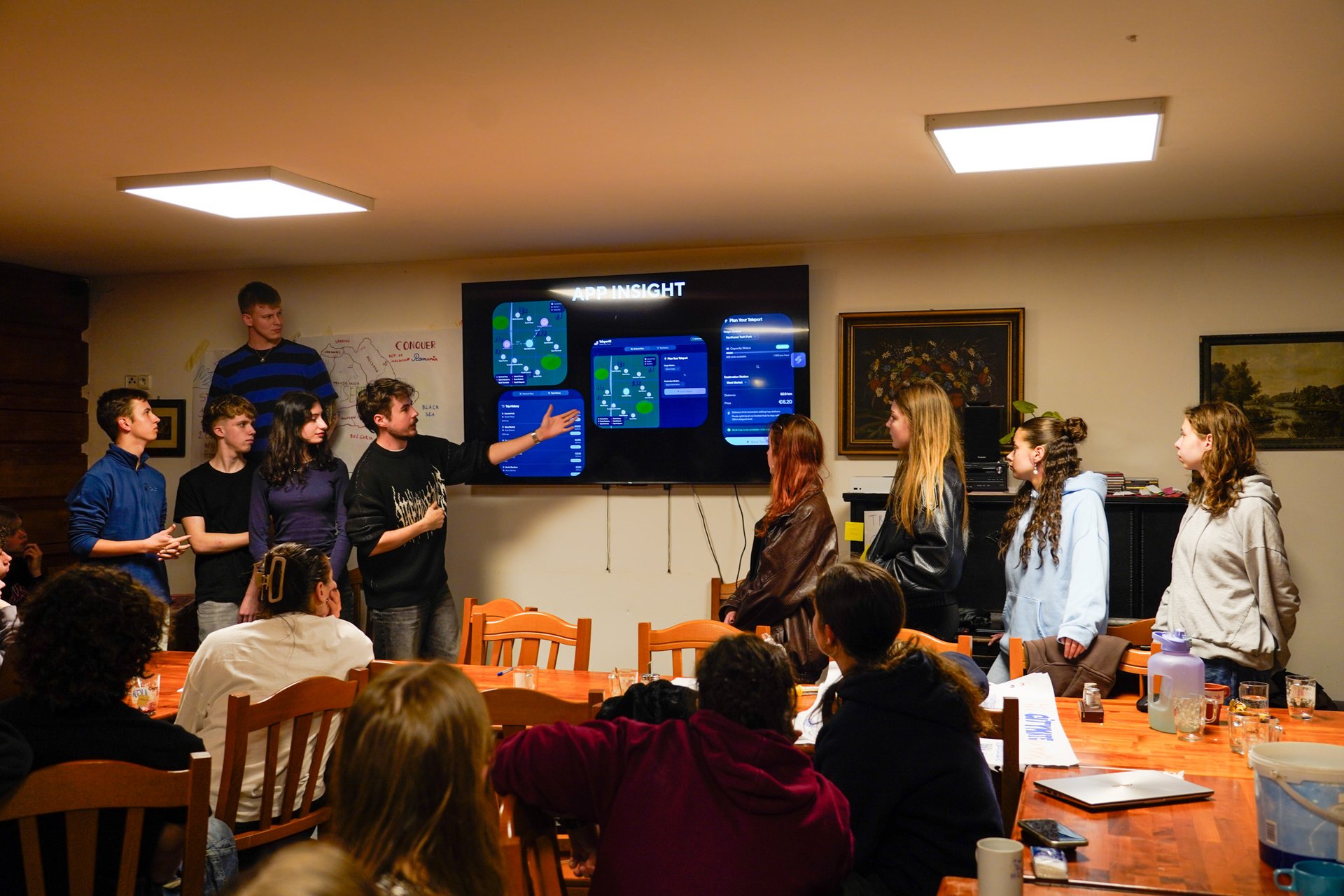
By then the group had also pitched fictional connected products across three rounds in the IoT Startup sessions and designed their ideal digital city in a Smart City Hackathon, so the hardware landed on well-prepared ground.
An Arc We Could Measure
The exchange opened with the Communication Tree, an initial evaluation where participants marked where they stood, and it closed with a final evaluation against the same picture. The distance between the two is the real output of the exchange: a group that arrived as users of smart technology and left as people who can explain, question, and to a first approximation build it.
One participant summed up the responsibility side of that shift by calling a secure digital future “our shared responsibility”. That sentence, written by a young person at the end of ten days of work, is the outcome our network runs these exchanges for. This activity was part of Four Links’ Erasmus+ Accreditation, co-funded by the European Union.
Photo Gallery
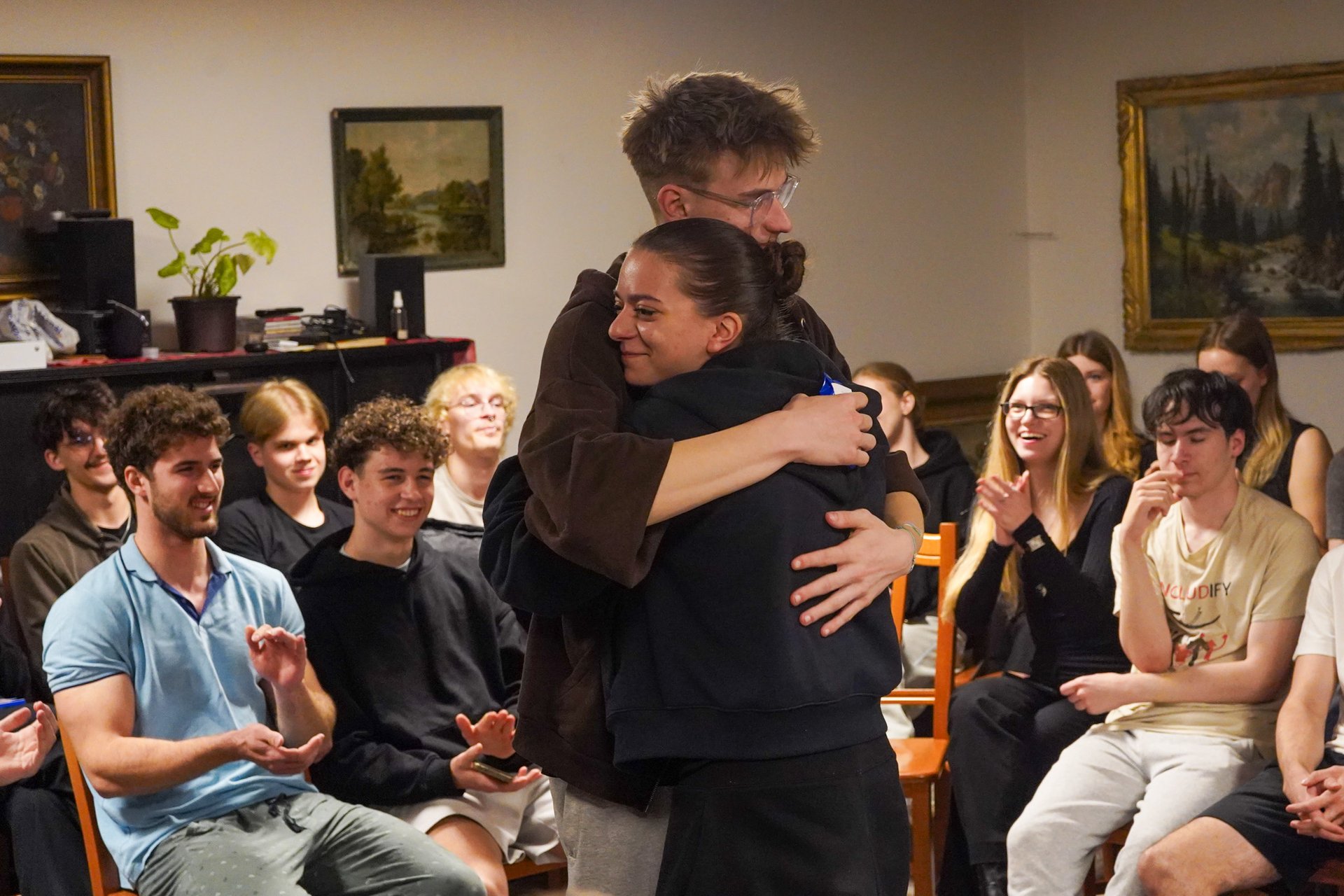
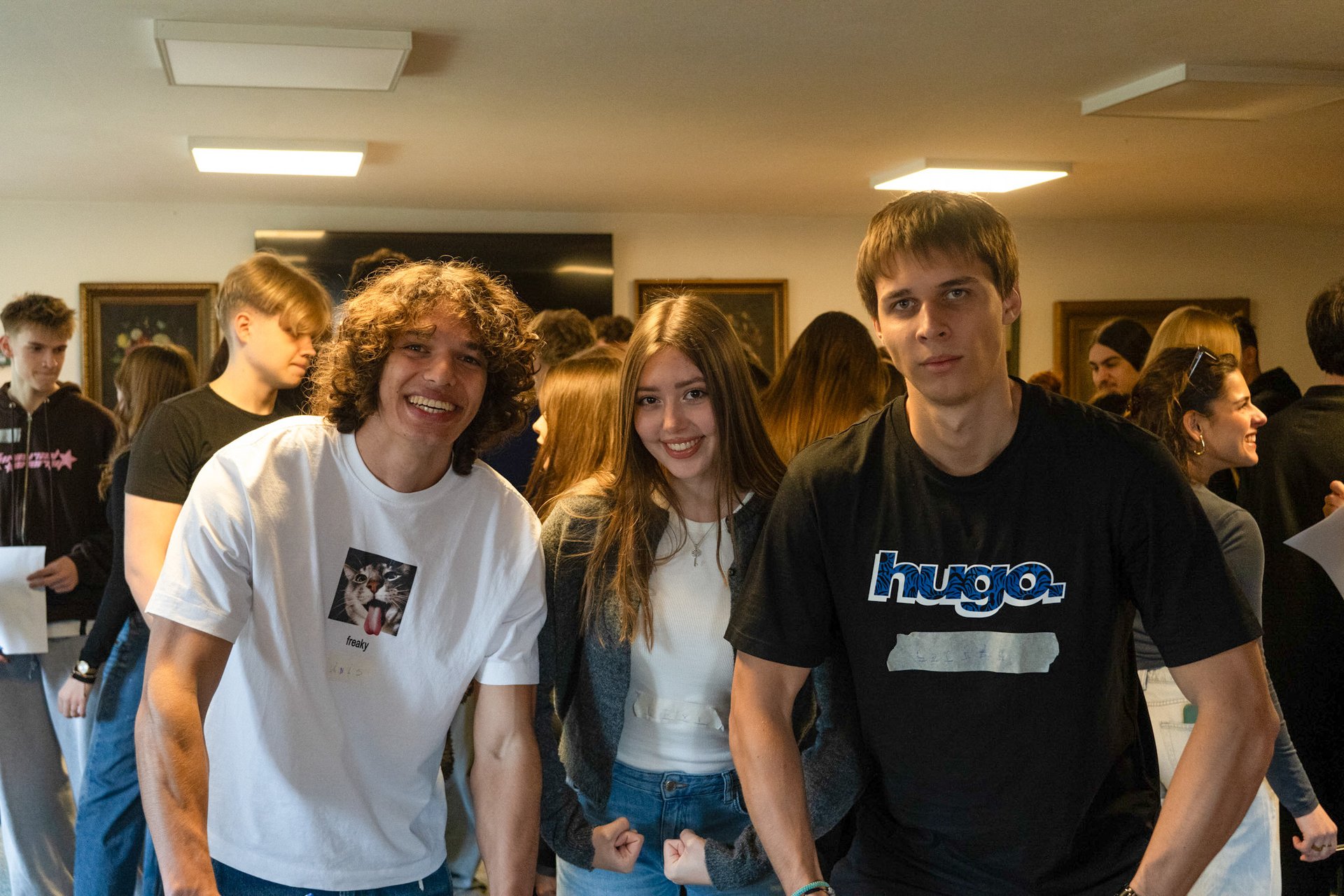
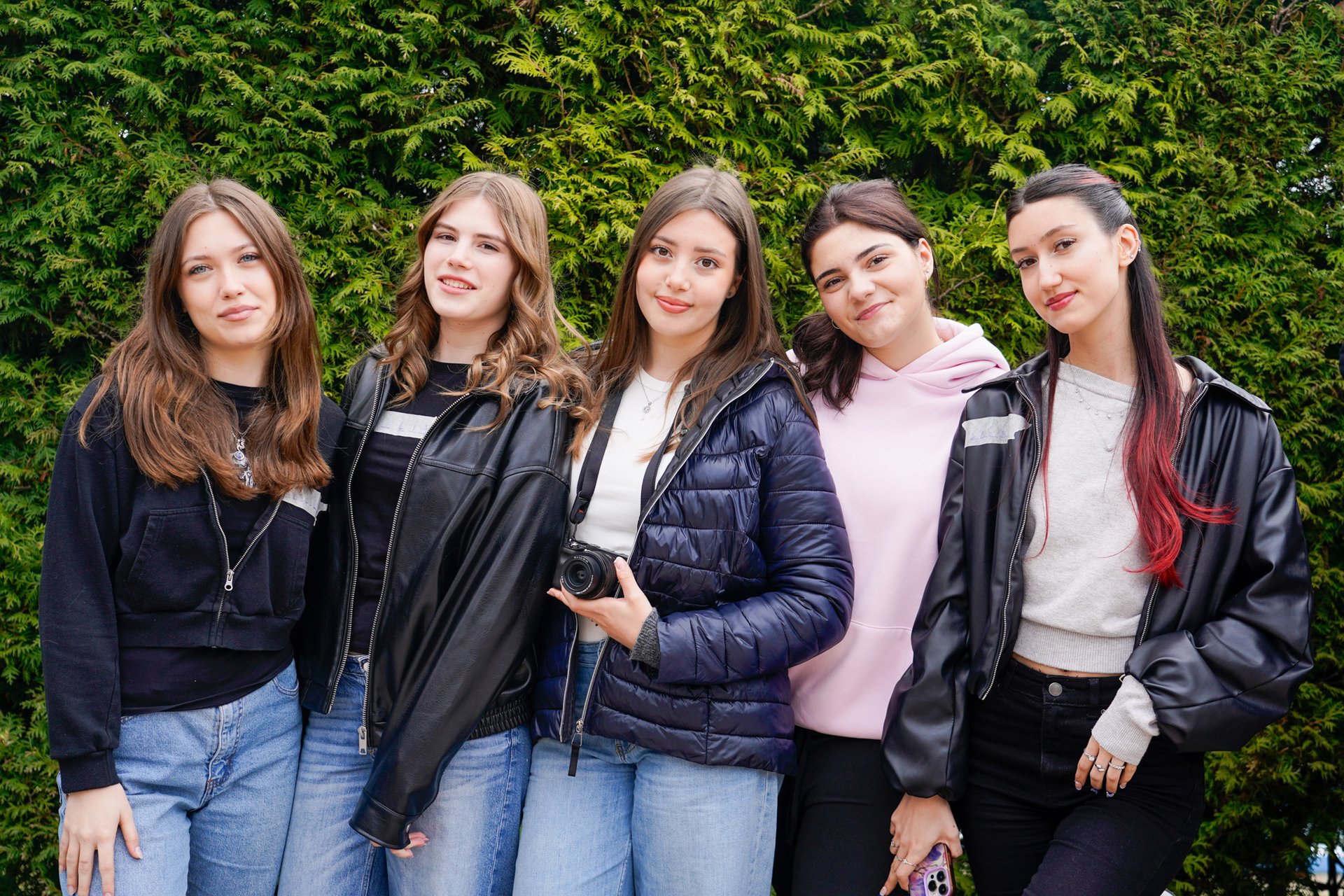
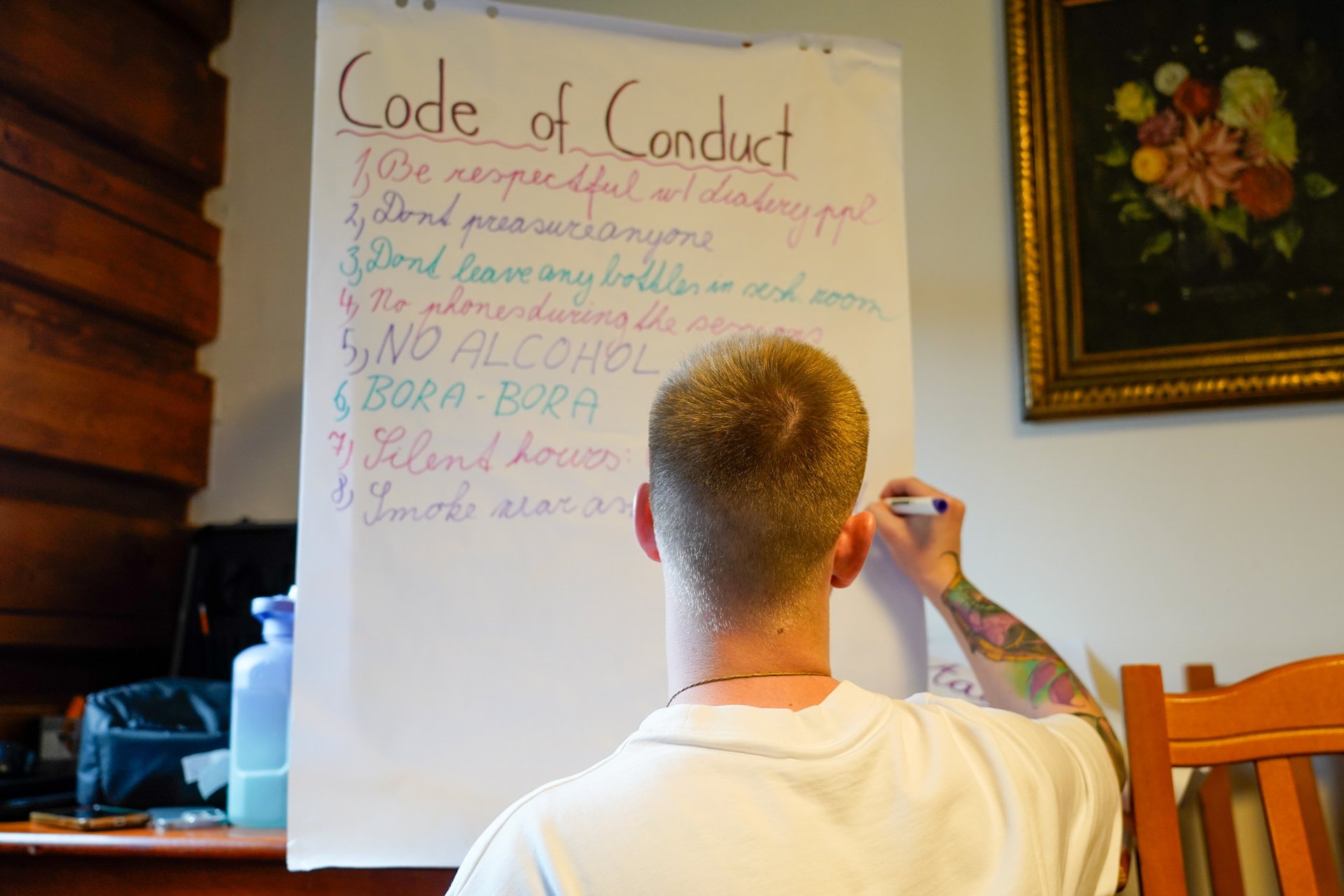
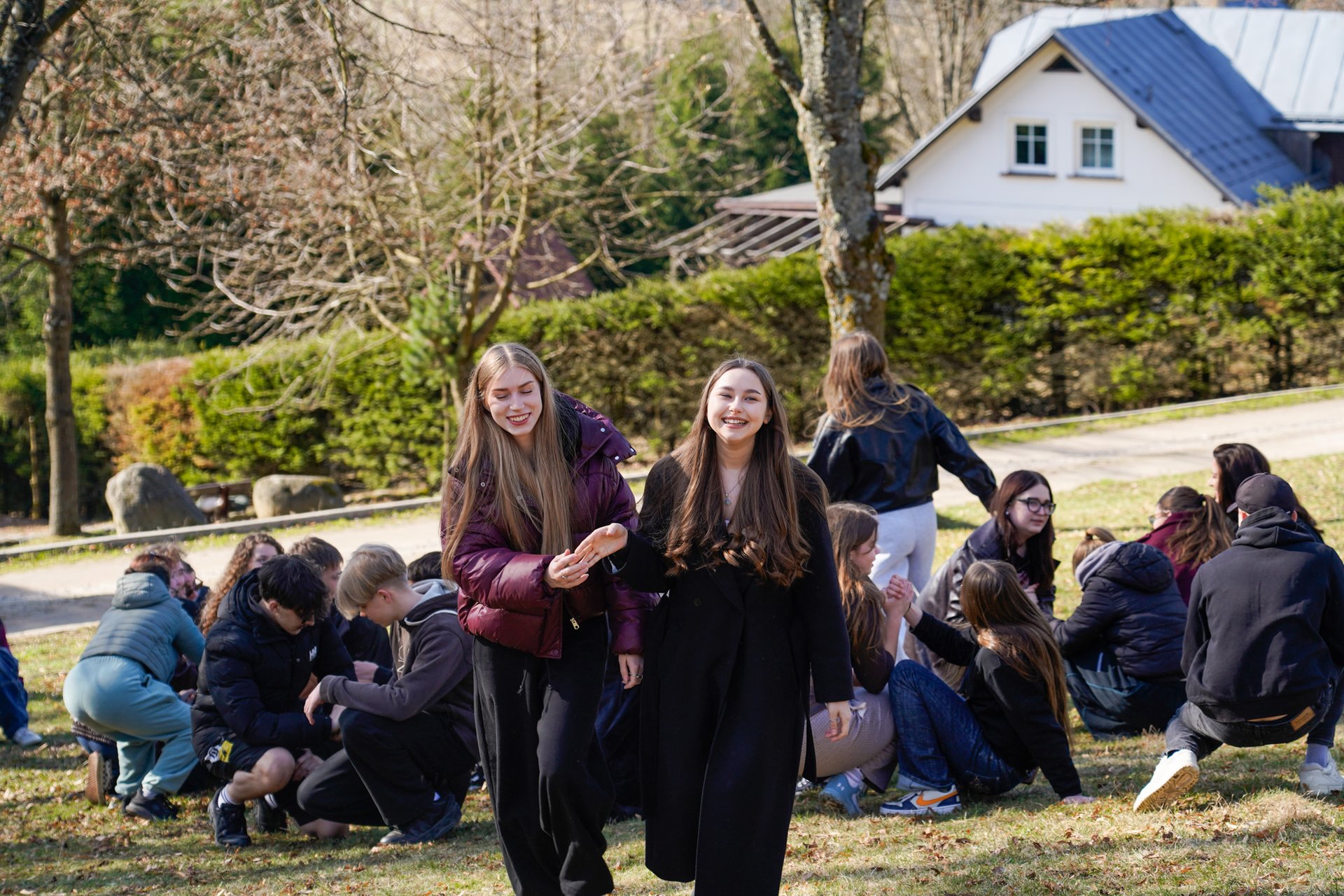
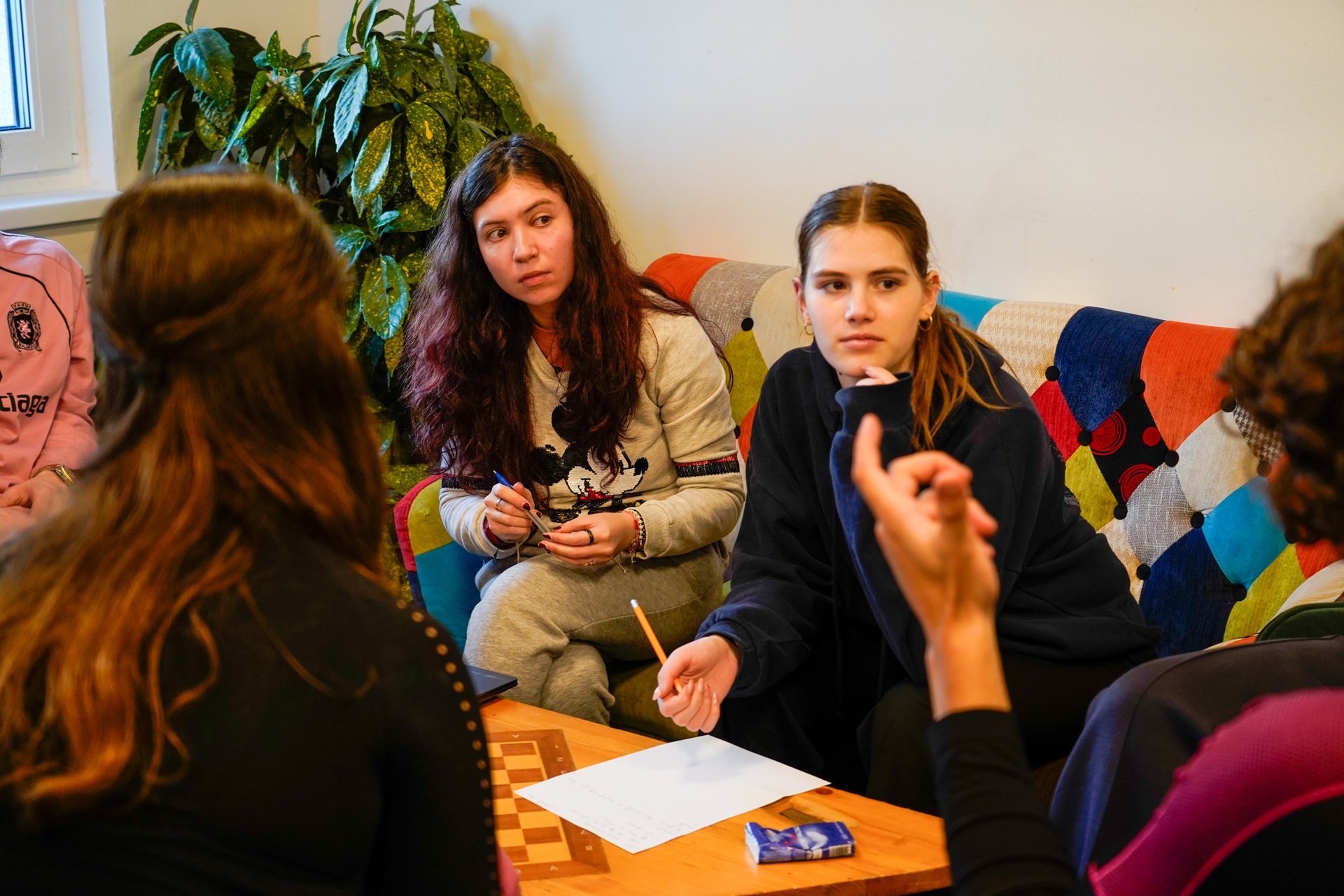
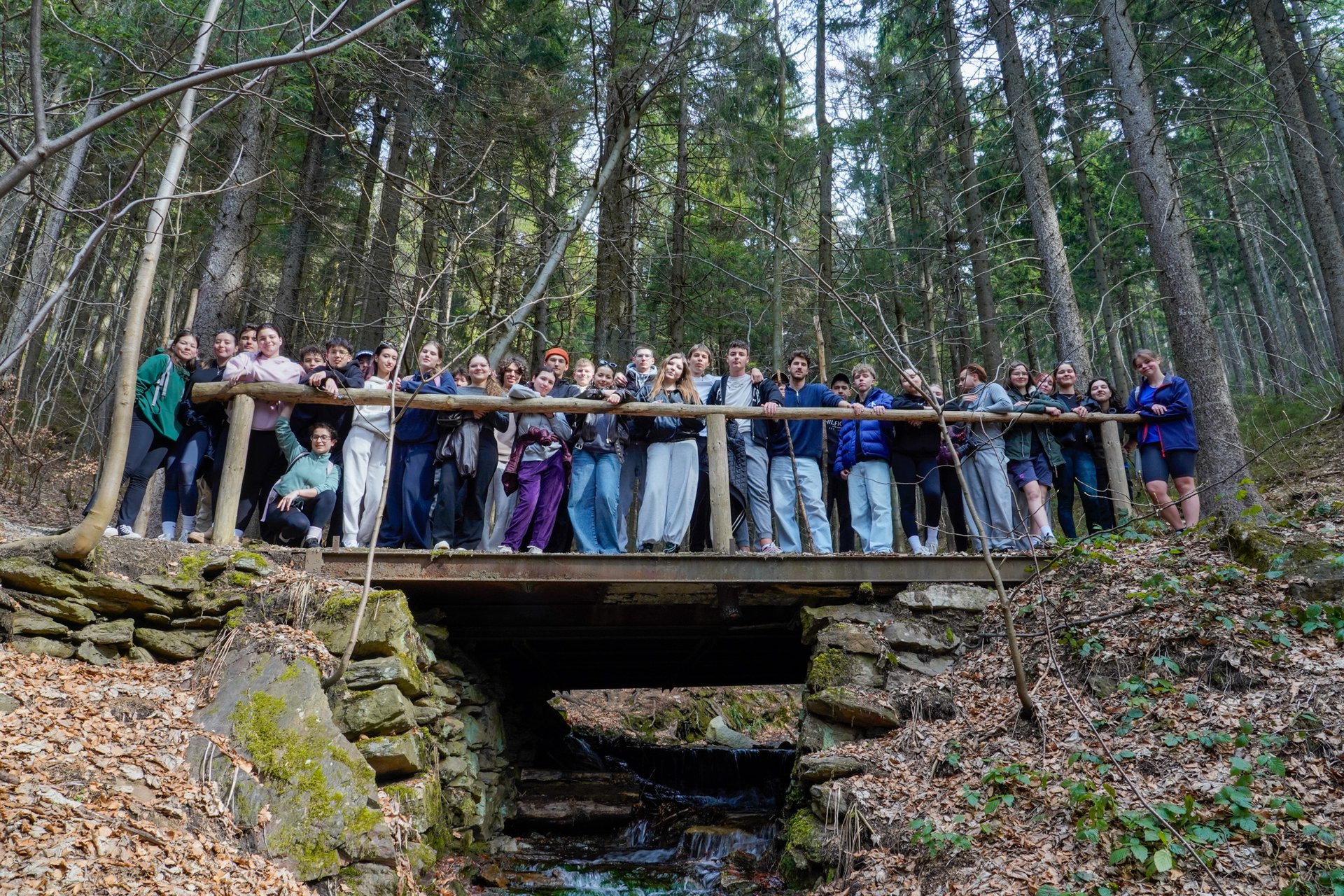
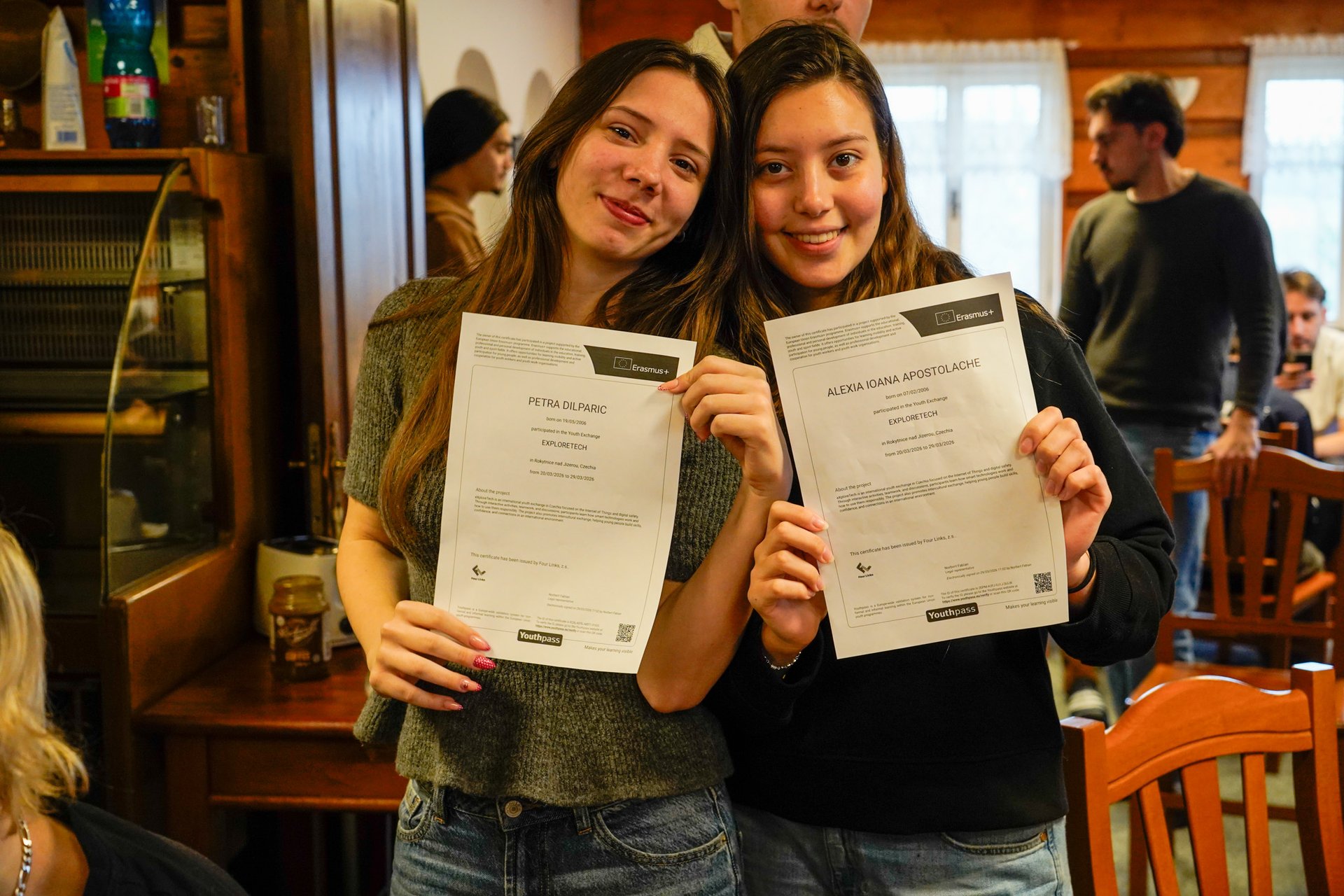
A few more moments from this activity :)
Check these and more photos in the activity’s photo album.