
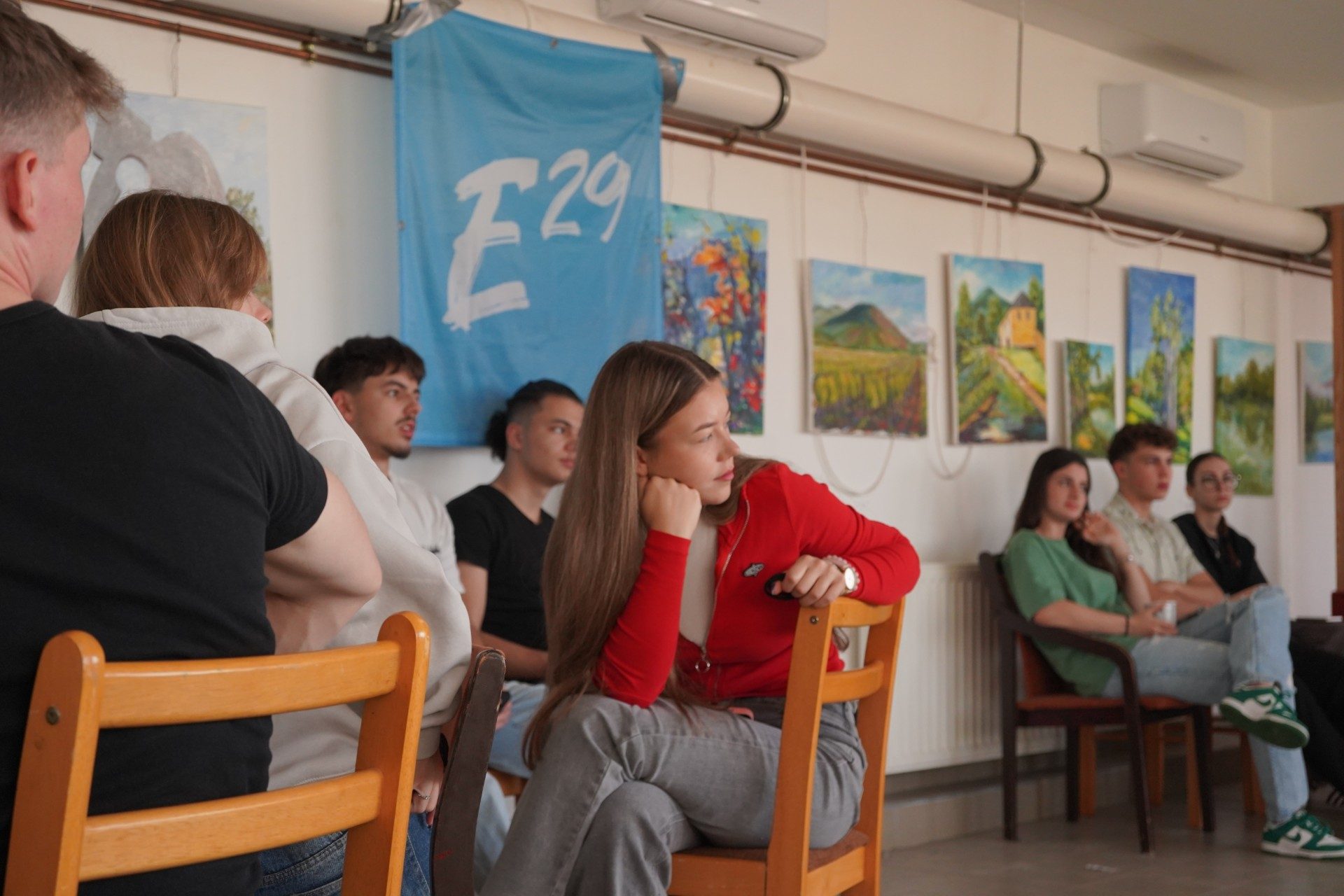
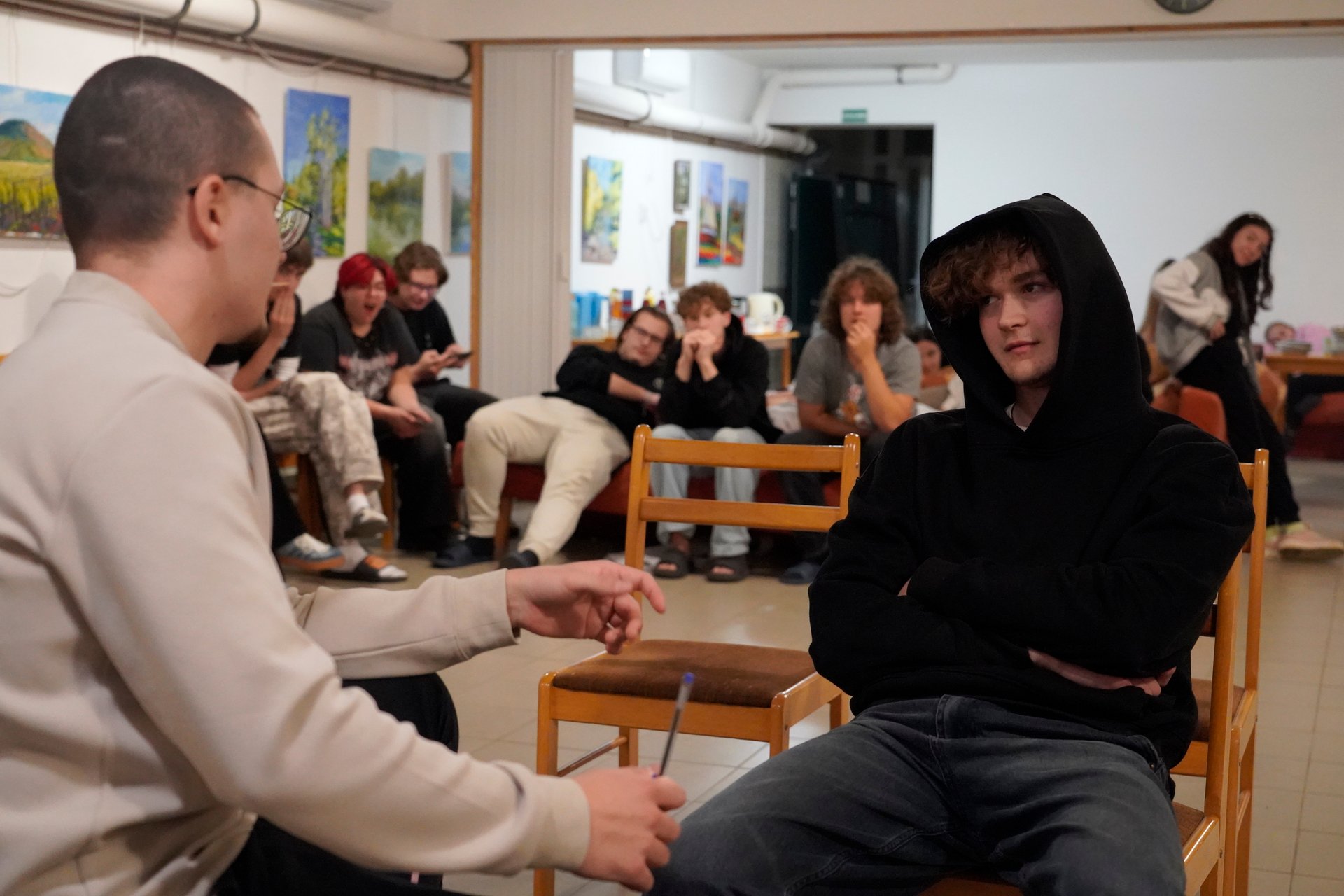
The house we prepared in Bodrogkeresztúr has a common room lined with framed paintings, a wooden gazebo in the garden, and a view over the vineyards of the Tokaj hills. For ten days at the end of October it became the home of Blooming Connections, a youth exchange on well-being that our team hosted for young people arriving from Czechia, Portugal, Serbia, Romania, Slovakia, Lithuania, and from here in Hungary.
Hosting meant more than beds and meal times. The theme of the exchange was the social side of well-being, the way relationships and community shape how we feel, and a theme like that asks a lot of the place it happens in. The house had to work as a session room, a stage, a gallery, and a living room all at once. By the end, it had been all of them.
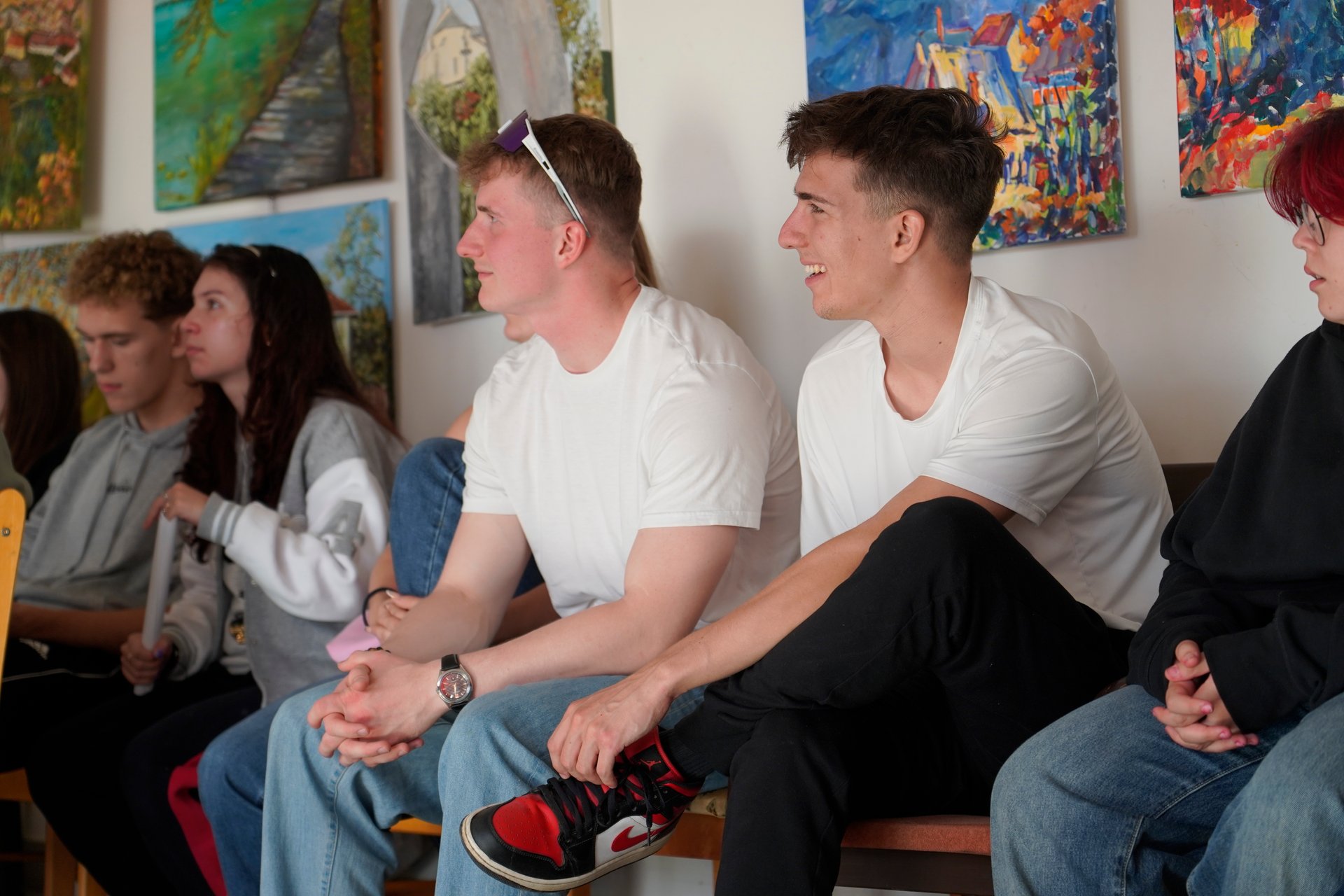
The Room with the Paintings
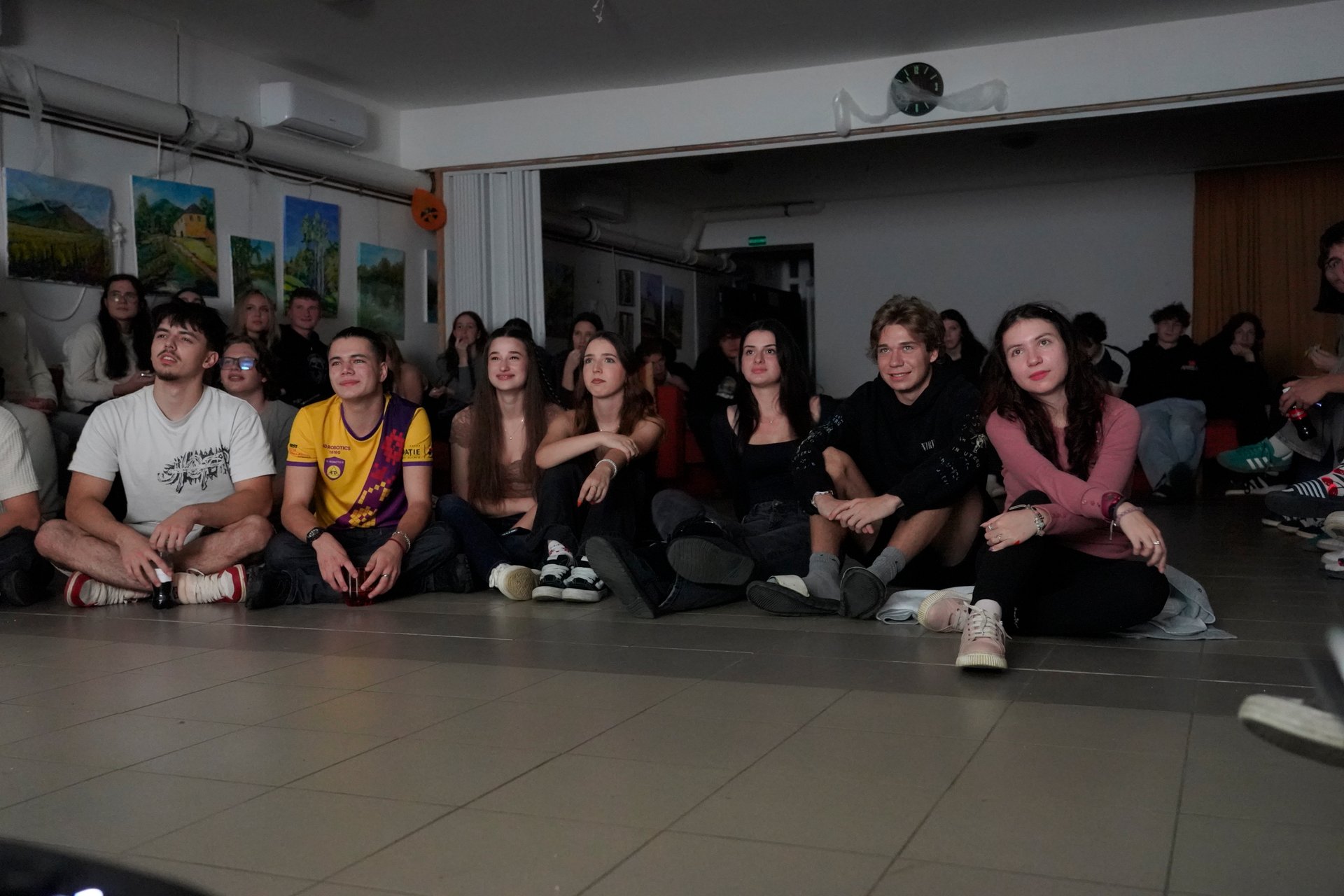
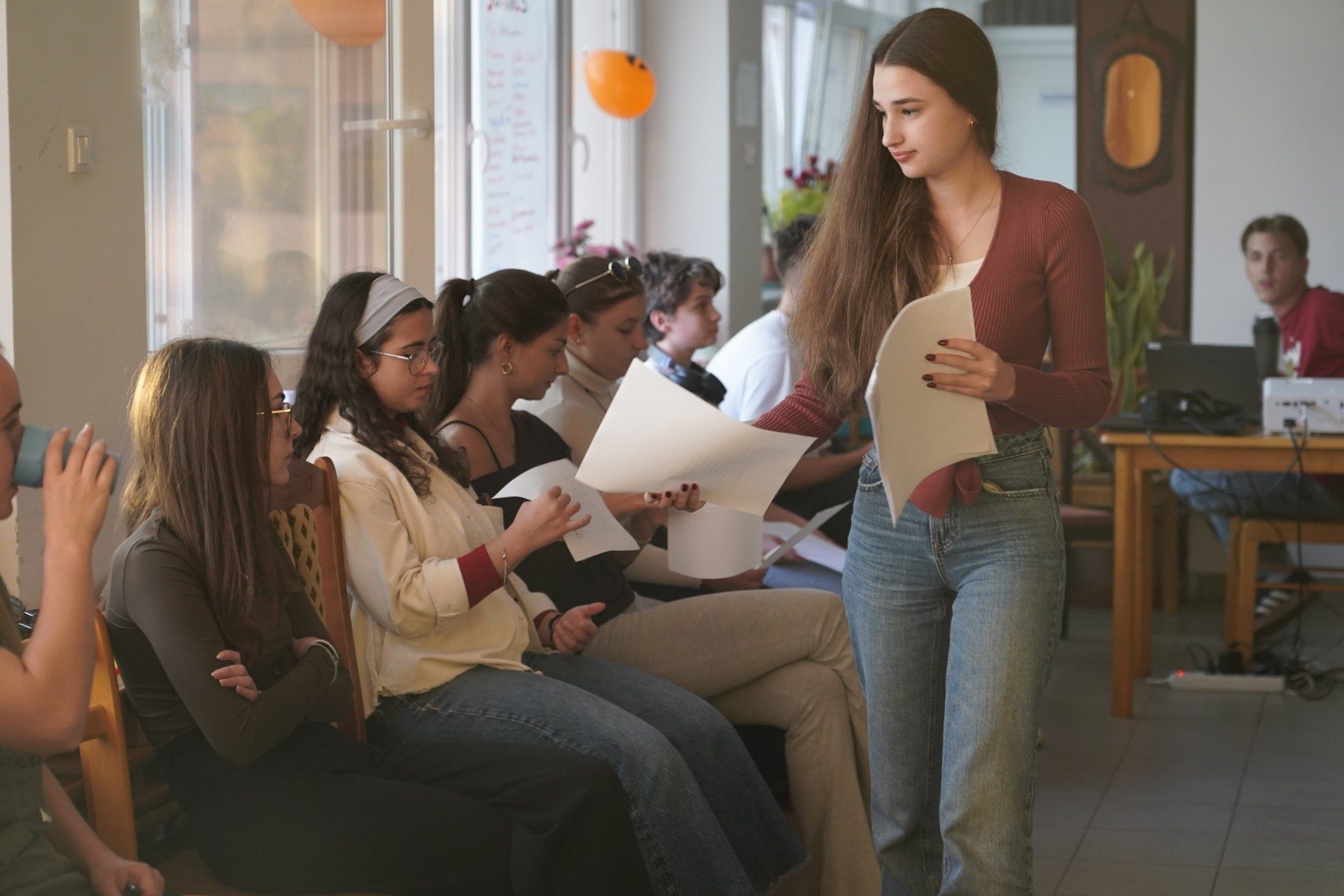
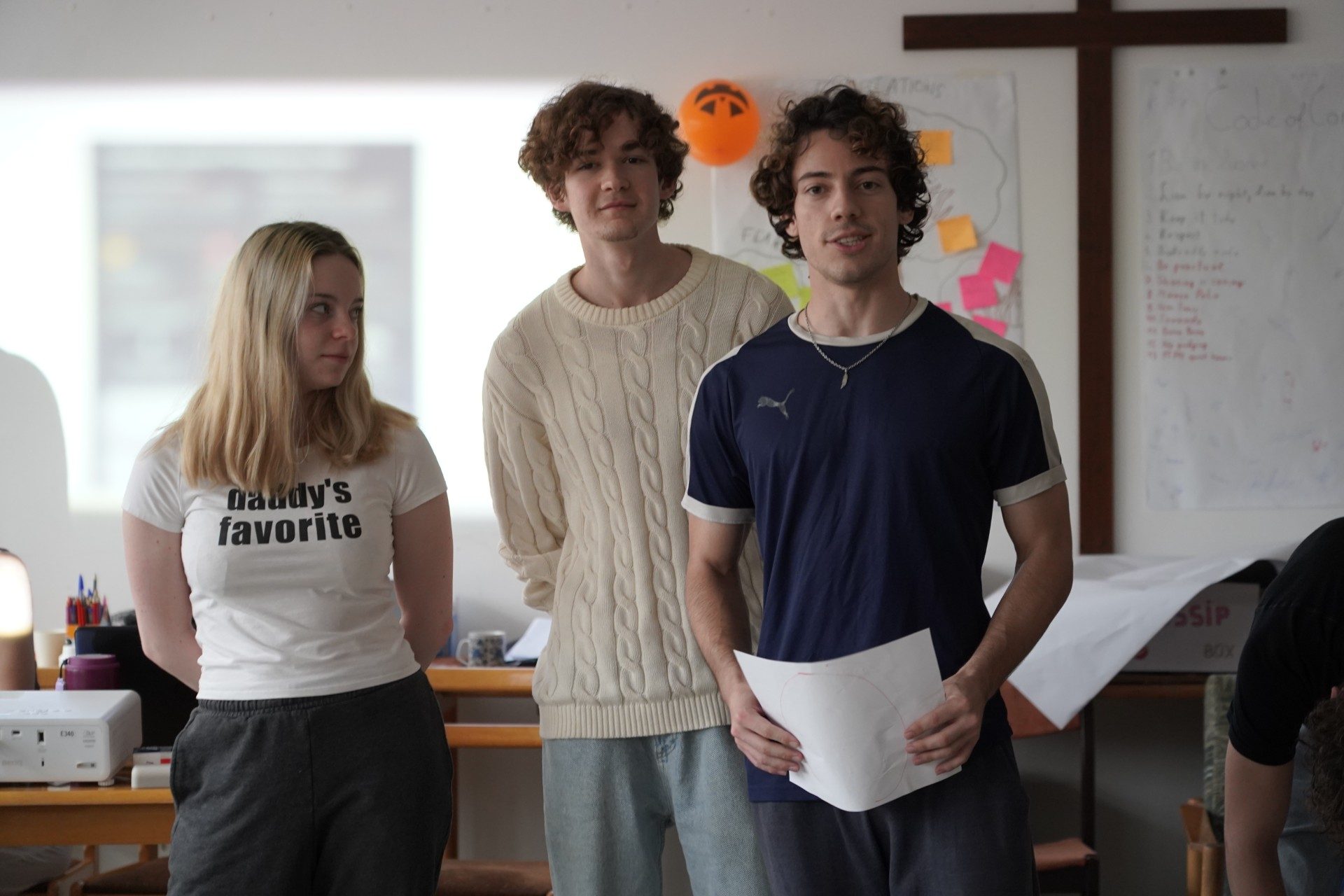
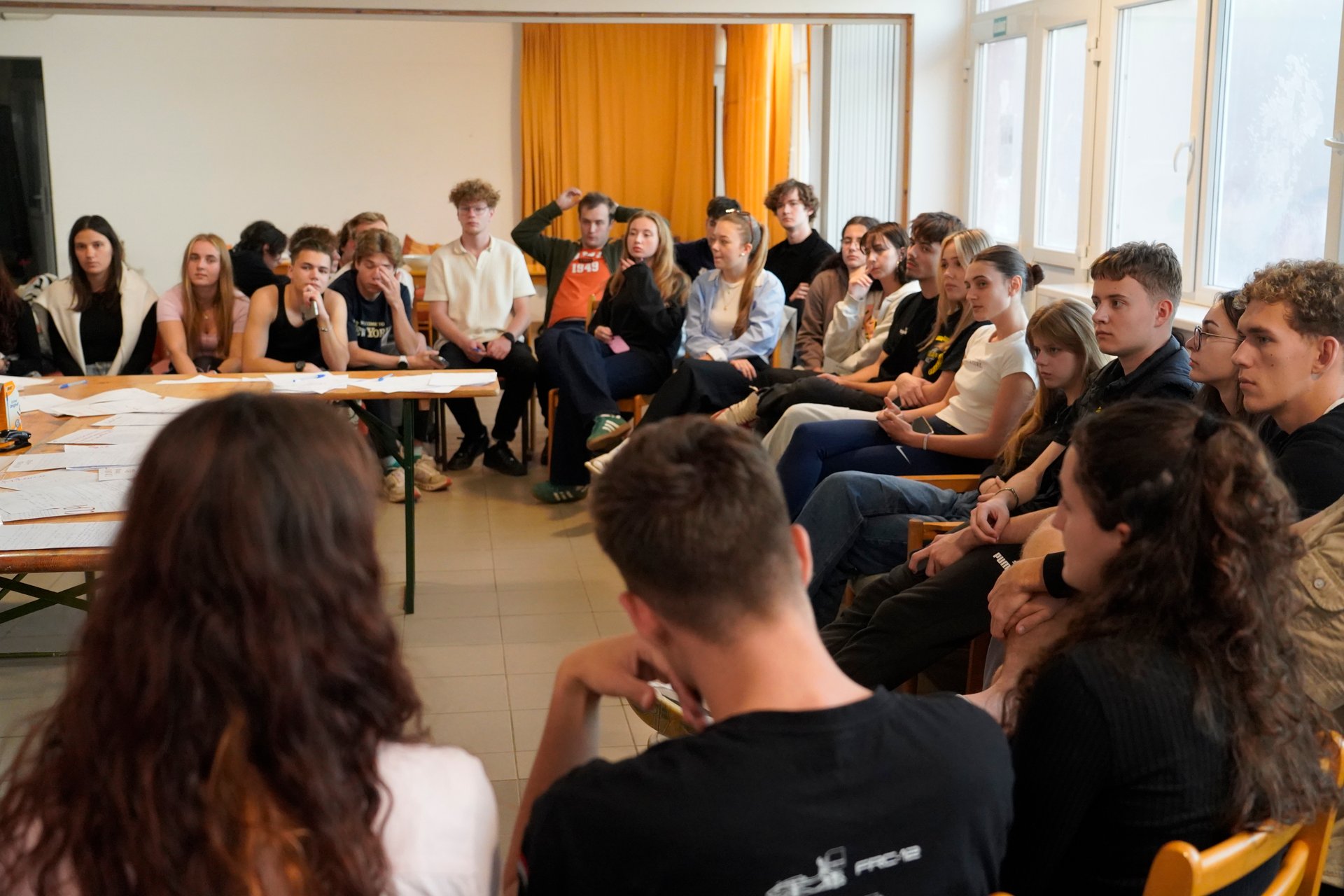
Most of the structured work happened in the big room downstairs, under the paintings. This is where the group wrote and signed its own Code of Conduct in the first days, agreeing not only on how to treat each other but on green commitments for the whole stay, from cutting waste to saving energy. It is where a silent gallery walk asked everyone to move between images and words and pick the ones that captured what well-being meant to them, before anyone had tried to define it out loud.
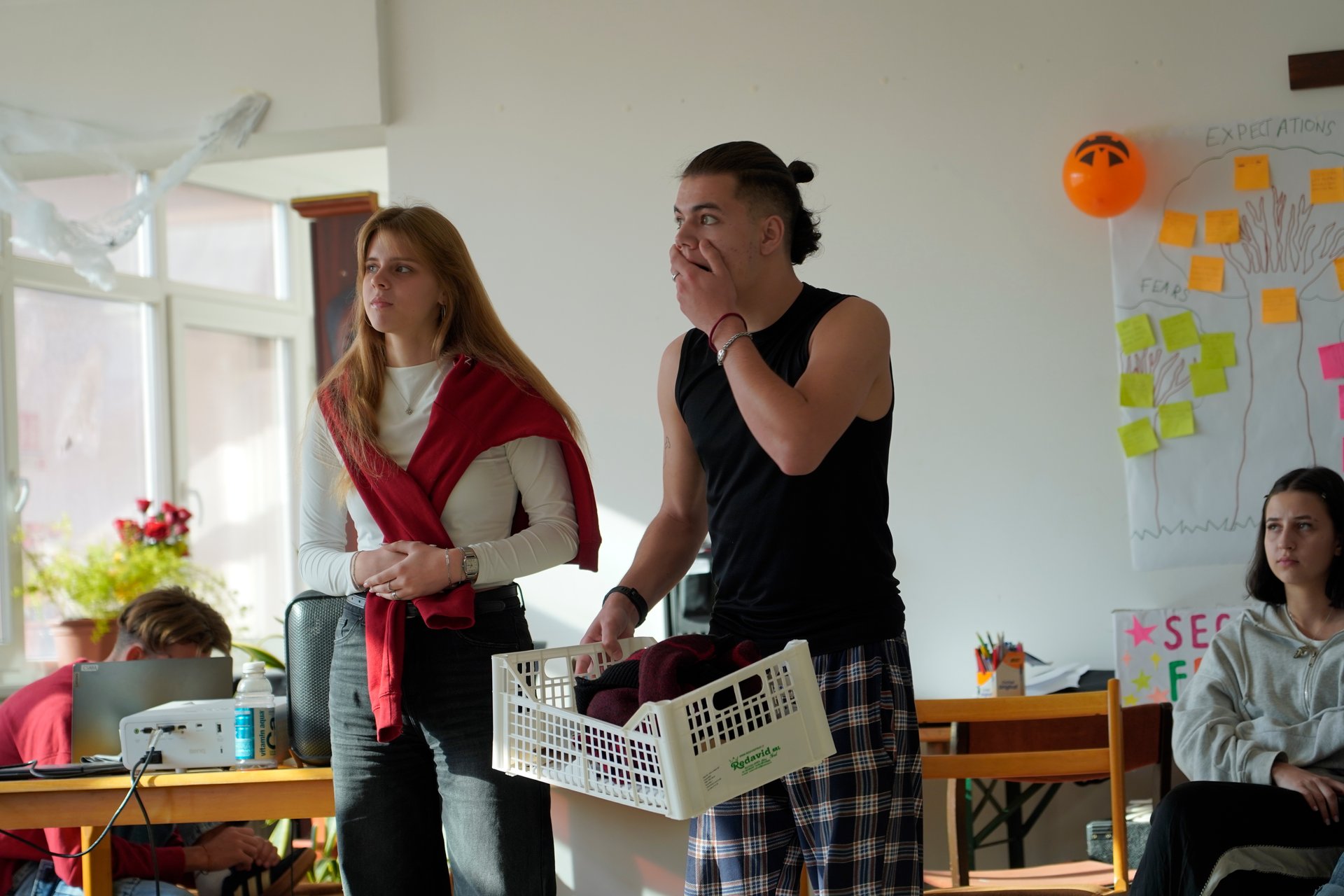
The room carried the heavier conversations too. Participants took sides in an agree-or-disagree debate on statements about community and relationships, argued their case, and crossed the floor when someone changed their mind. Later on, small teams acted out everyday situations where social well-being breaks down, from exclusion to peer pressure, and worked through them together. Watching the same four walls hold laughter one hour and a difficult scene the next is, in a quiet way, what the whole theme was about.
The Gazebo and the Garden
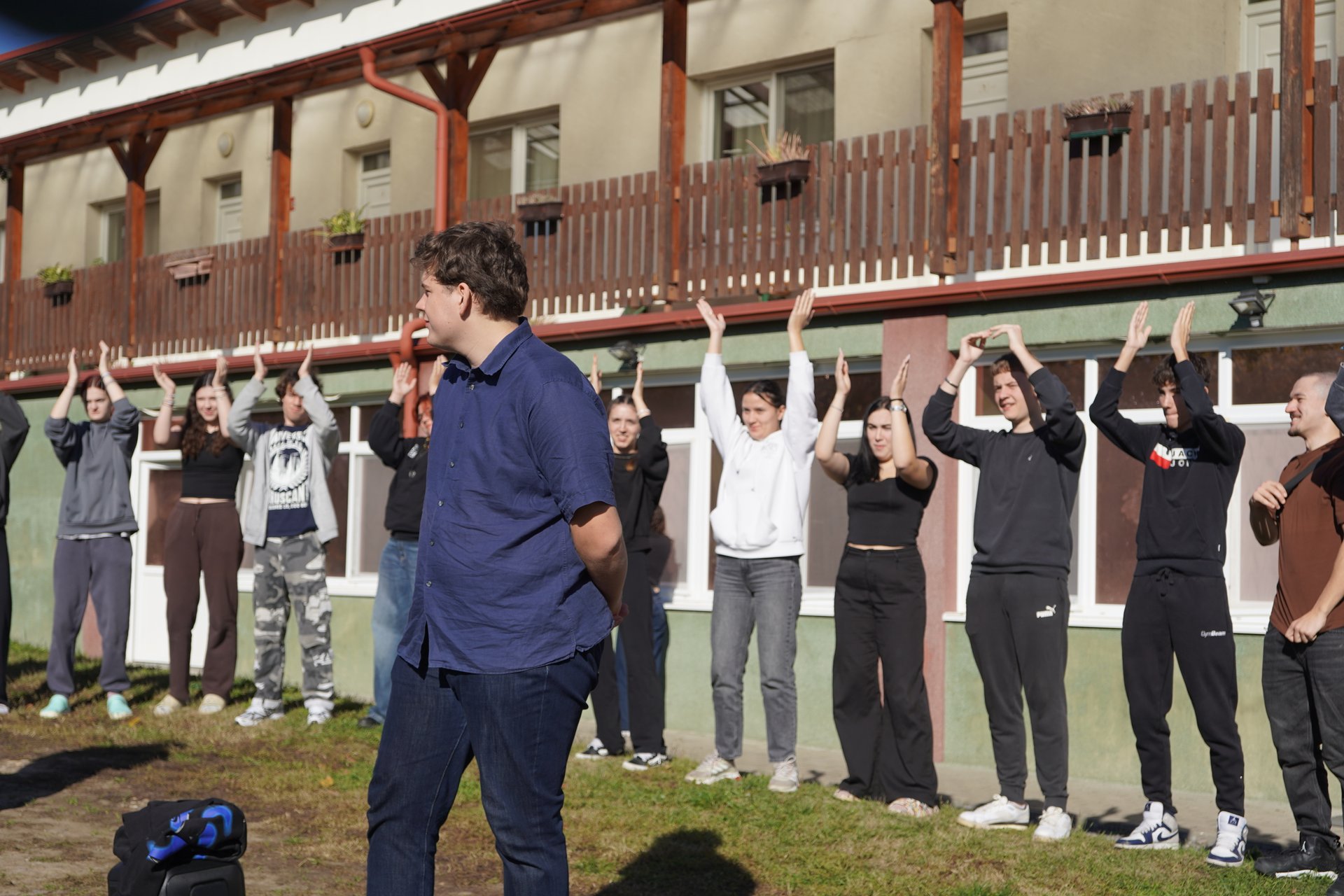
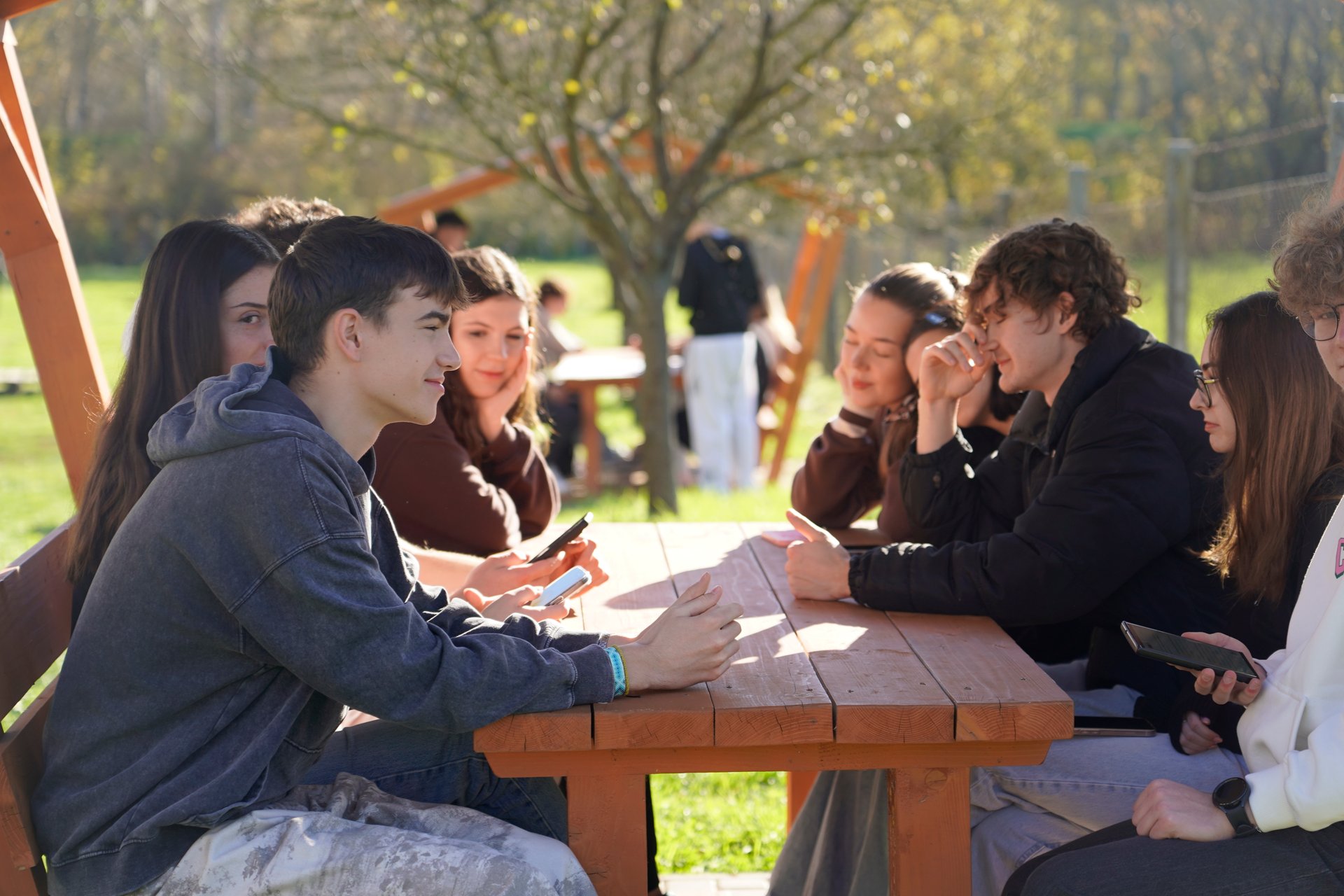
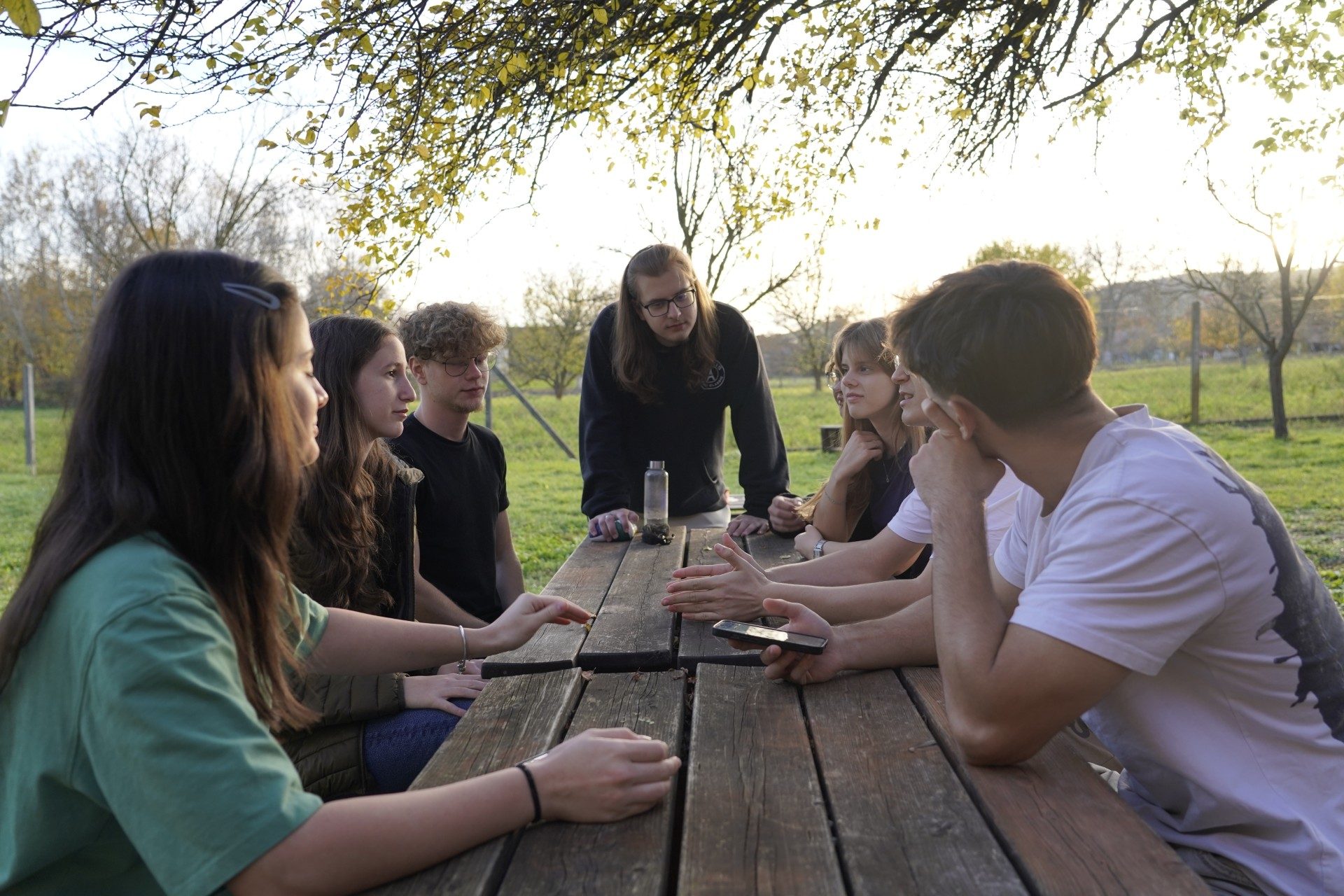
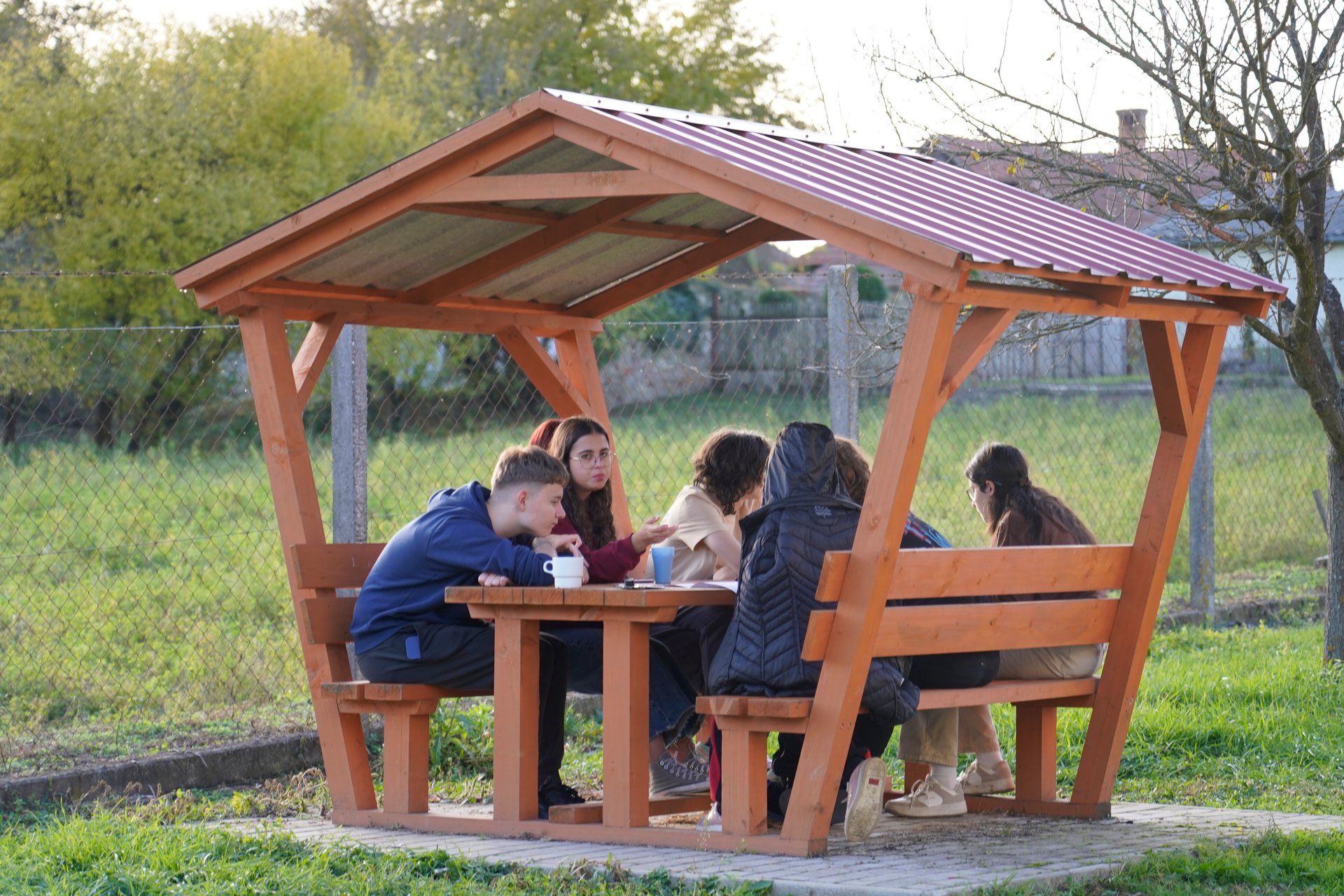
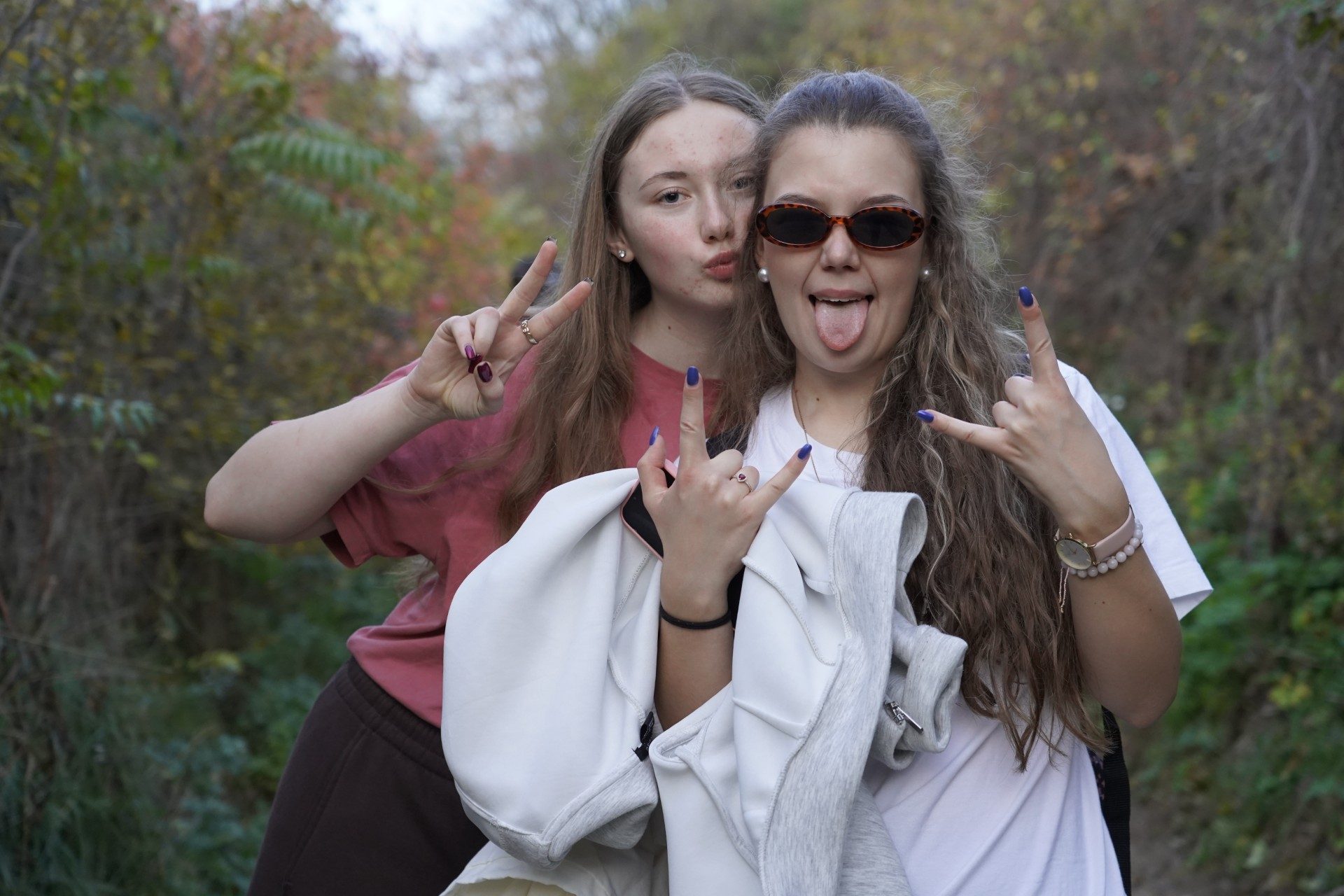
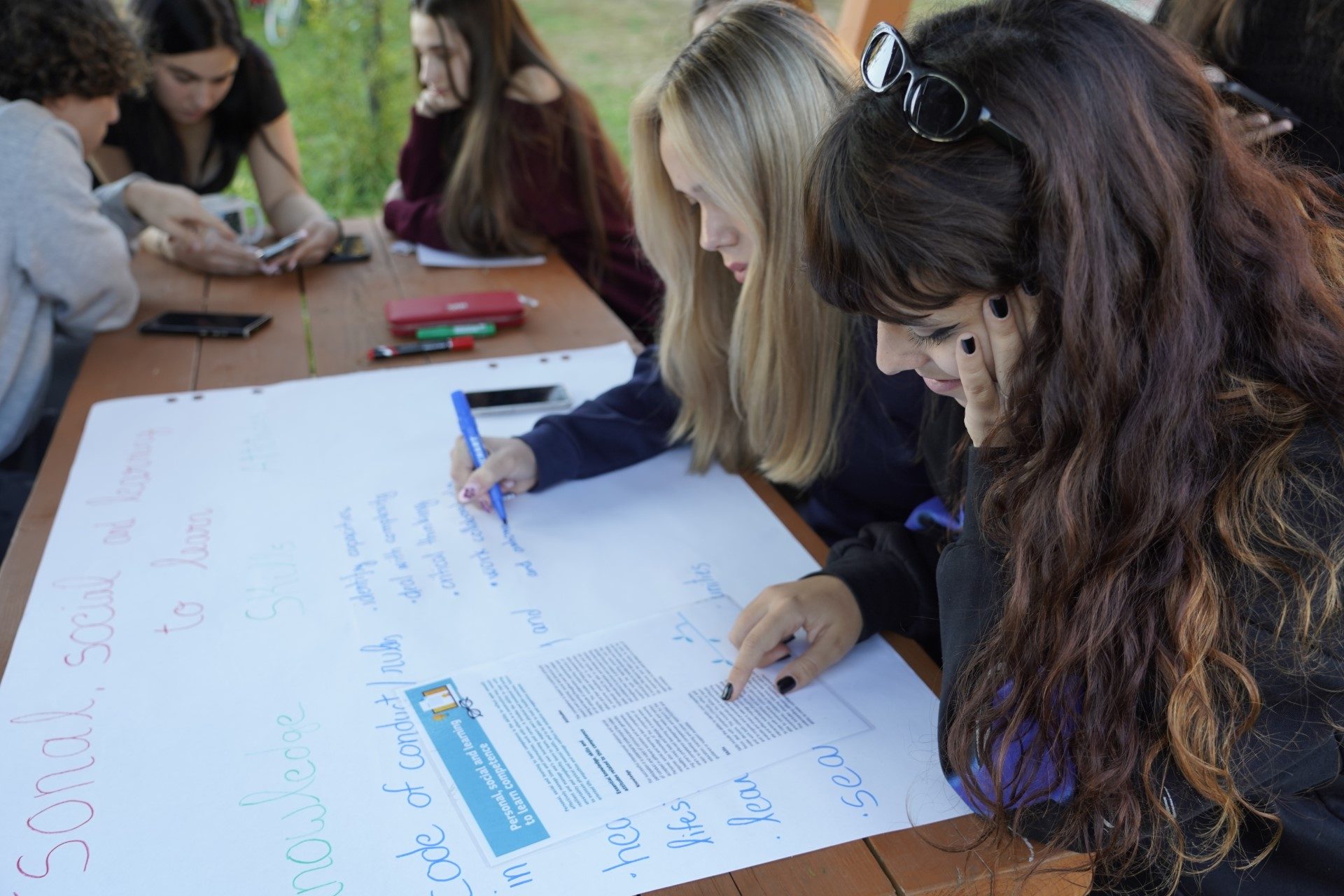
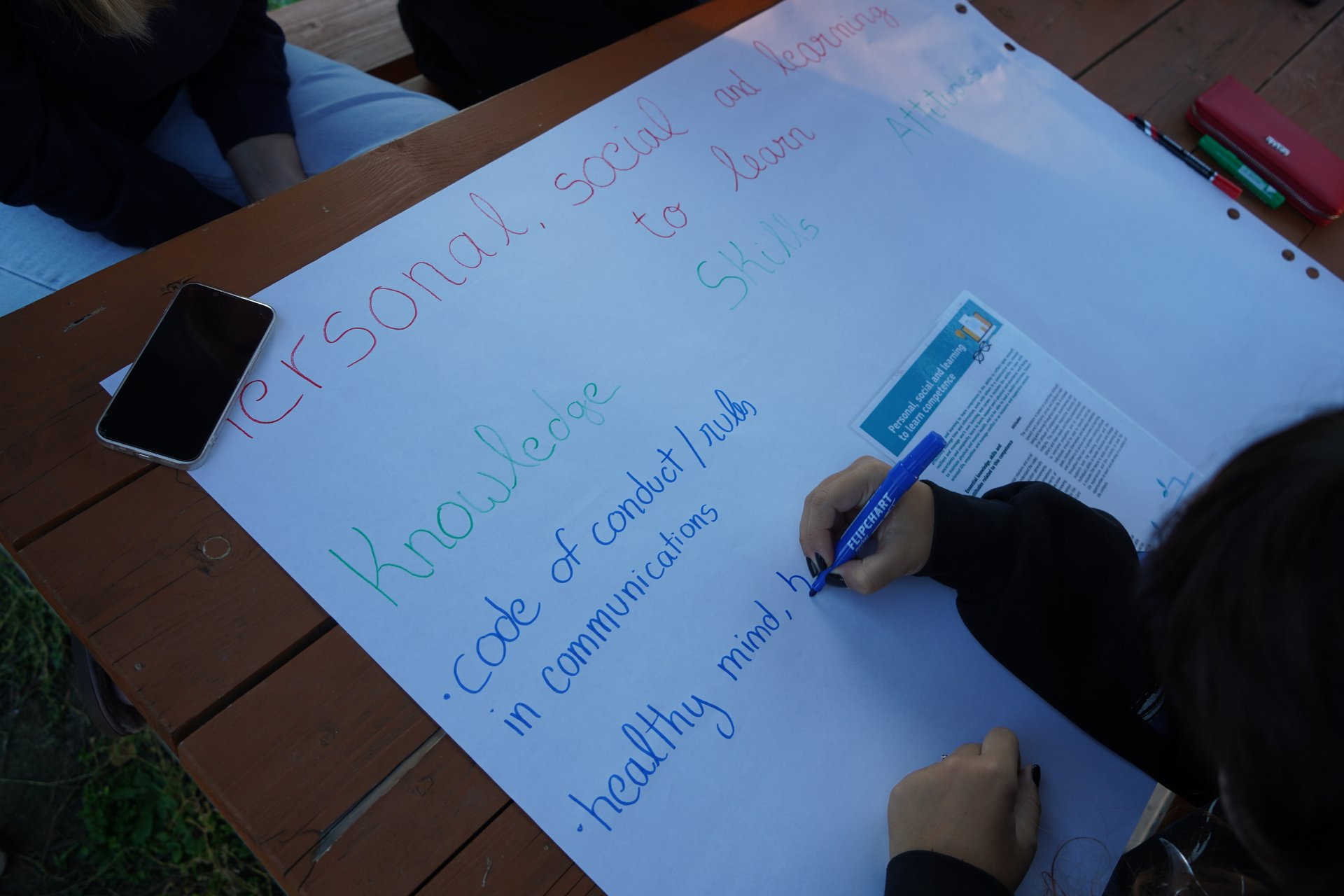
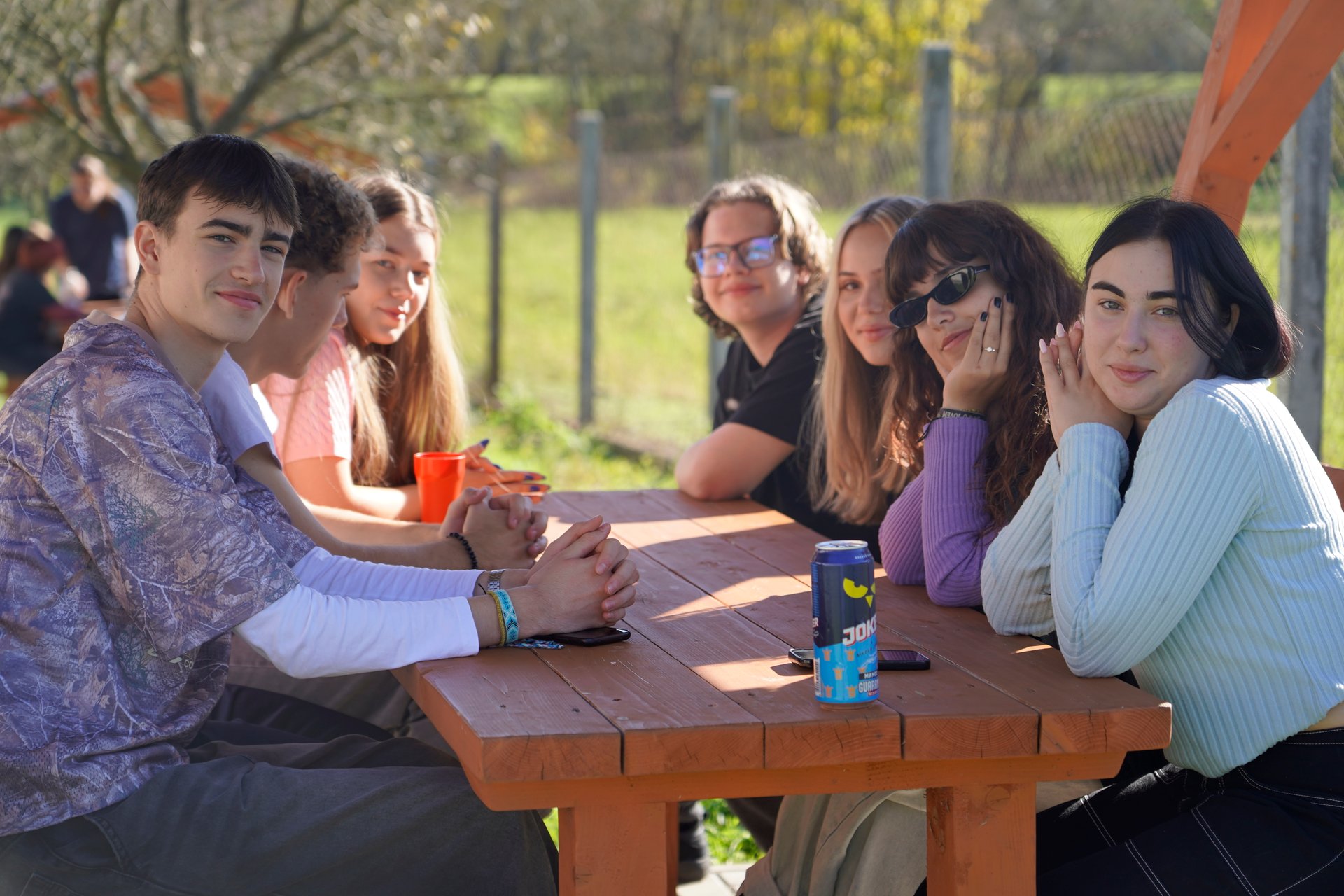
When the autumn sun was out, the programme moved outside. The gazebo and the picnic tables around it became the default spot for small-group work, close enough to the house to fetch markers and flipcharts, far enough to feel like a different place. A Walk and Talk session paired participants across nationalities and sent them along the paths around the venue to talk about what keeps them well, an exercise that works better on the move than it ever does sitting down.
The garden also held the slower moments. A guided yoga and stretching session closed one of the early days with breath and movement in the grass. Morning energisers pulled sleepy participants into a circle before the first session. Much of what the group later described as connection happened out here, between sessions as much as during them.
Into the Hills
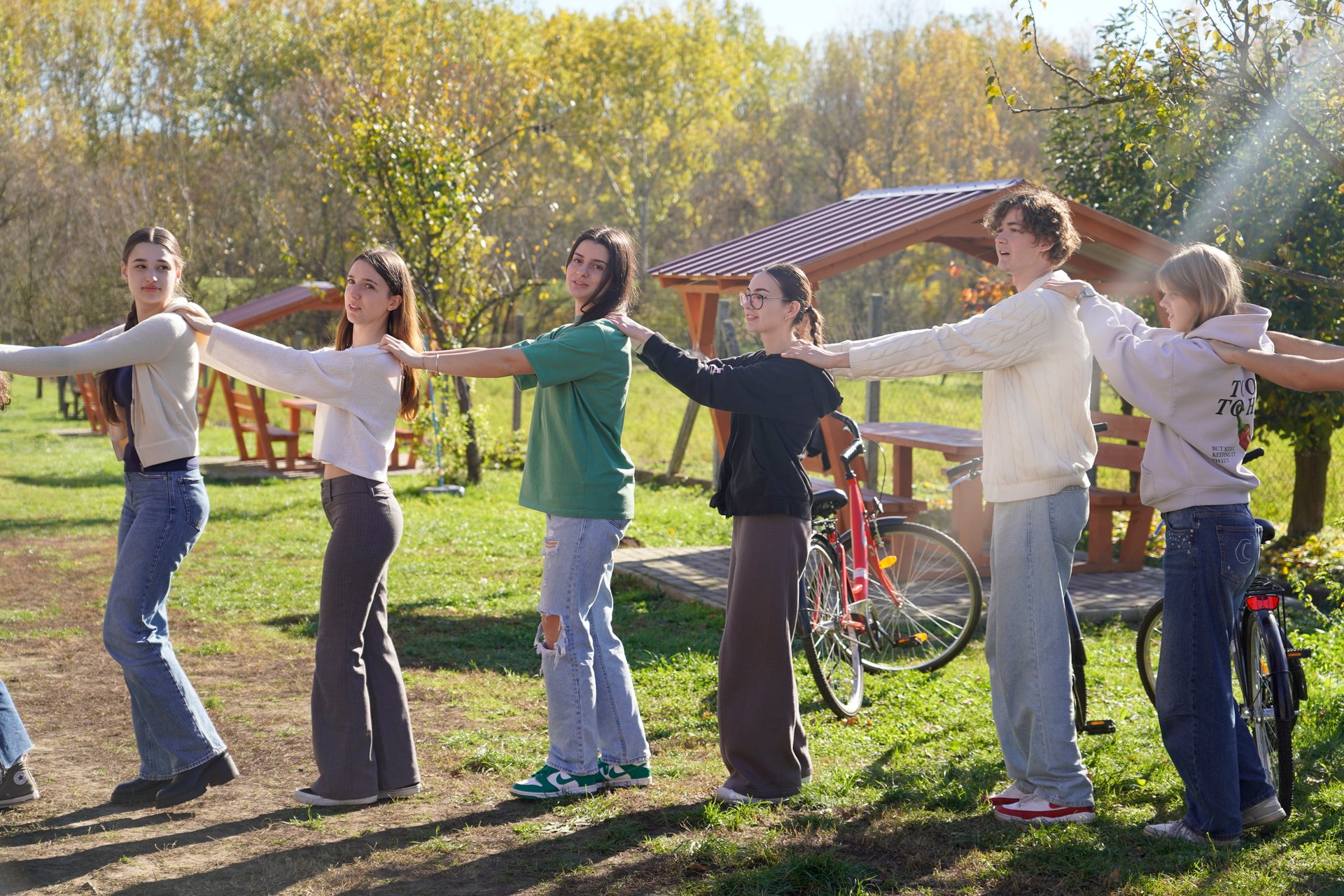
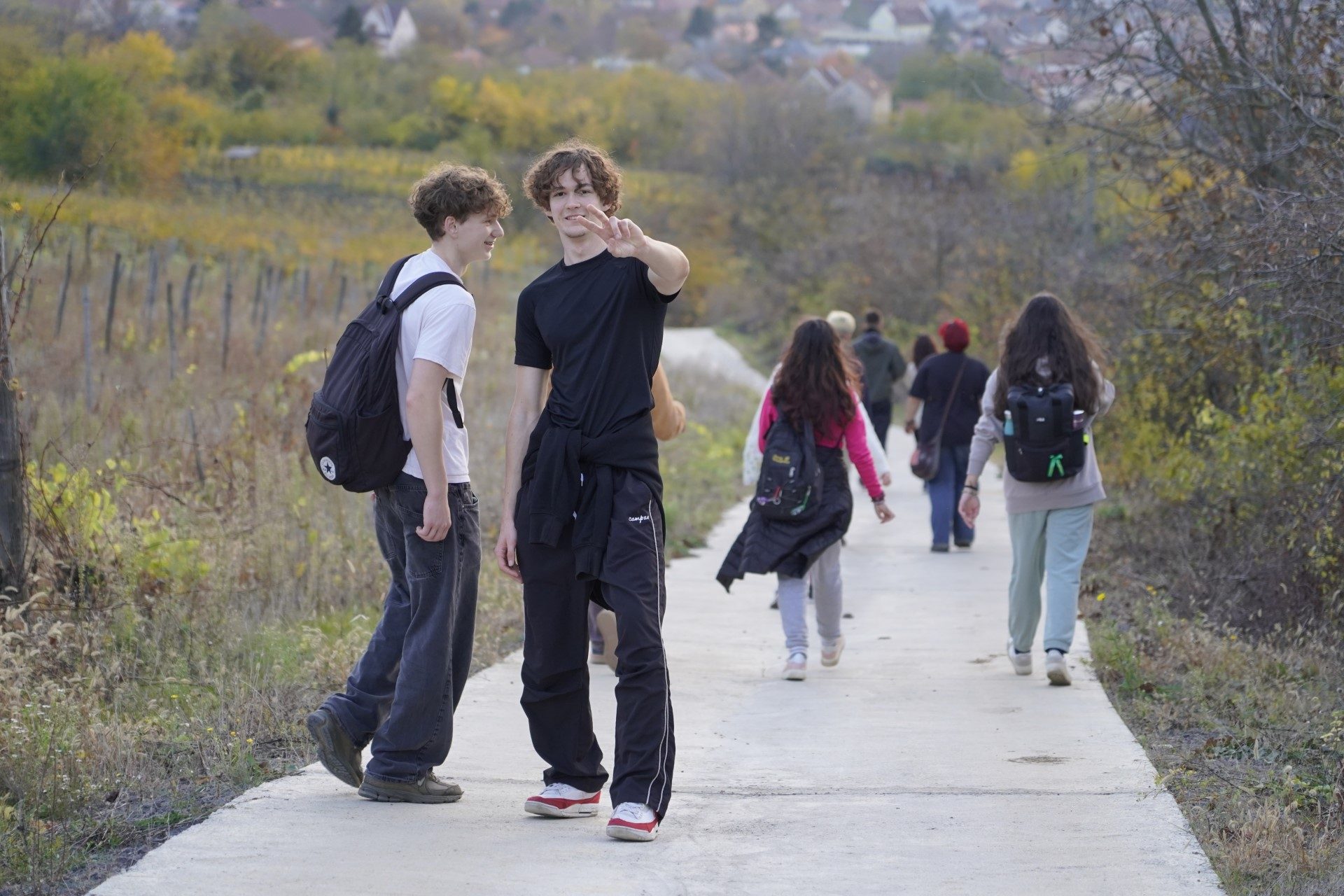
One full day left the venue behind. The group walked out through the autumn countryside in two parts, with a reflection block held outdoors between them. On the programme it was a session about how environments shape well-being; from where we stood, it was the day the venue choice paid off. We had wanted an exchange where the outdoors was a doorstep rather than a field trip, and watching seven countries walk single file across a field in the golden autumn light confirmed it.
Evenings Under One Roof
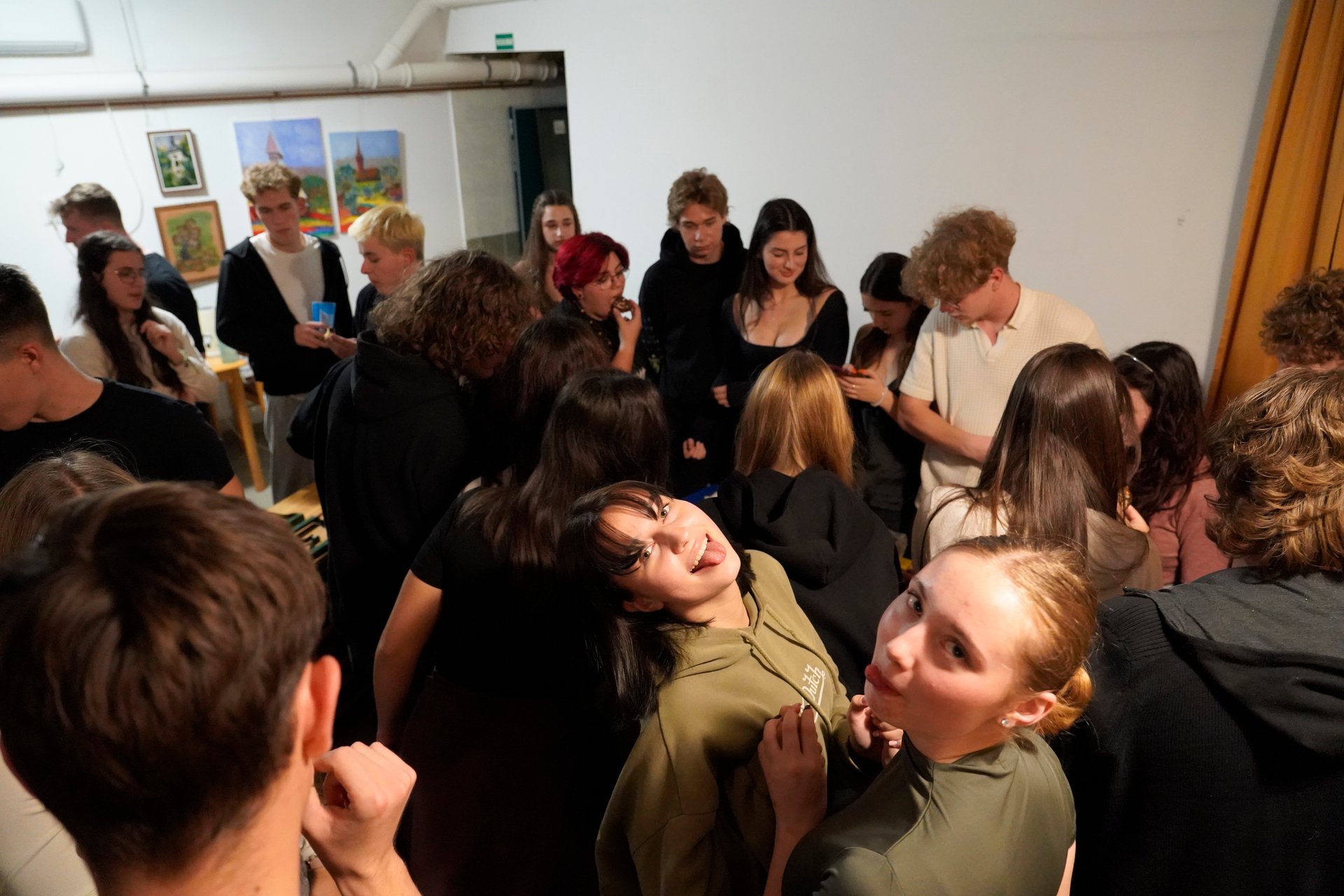
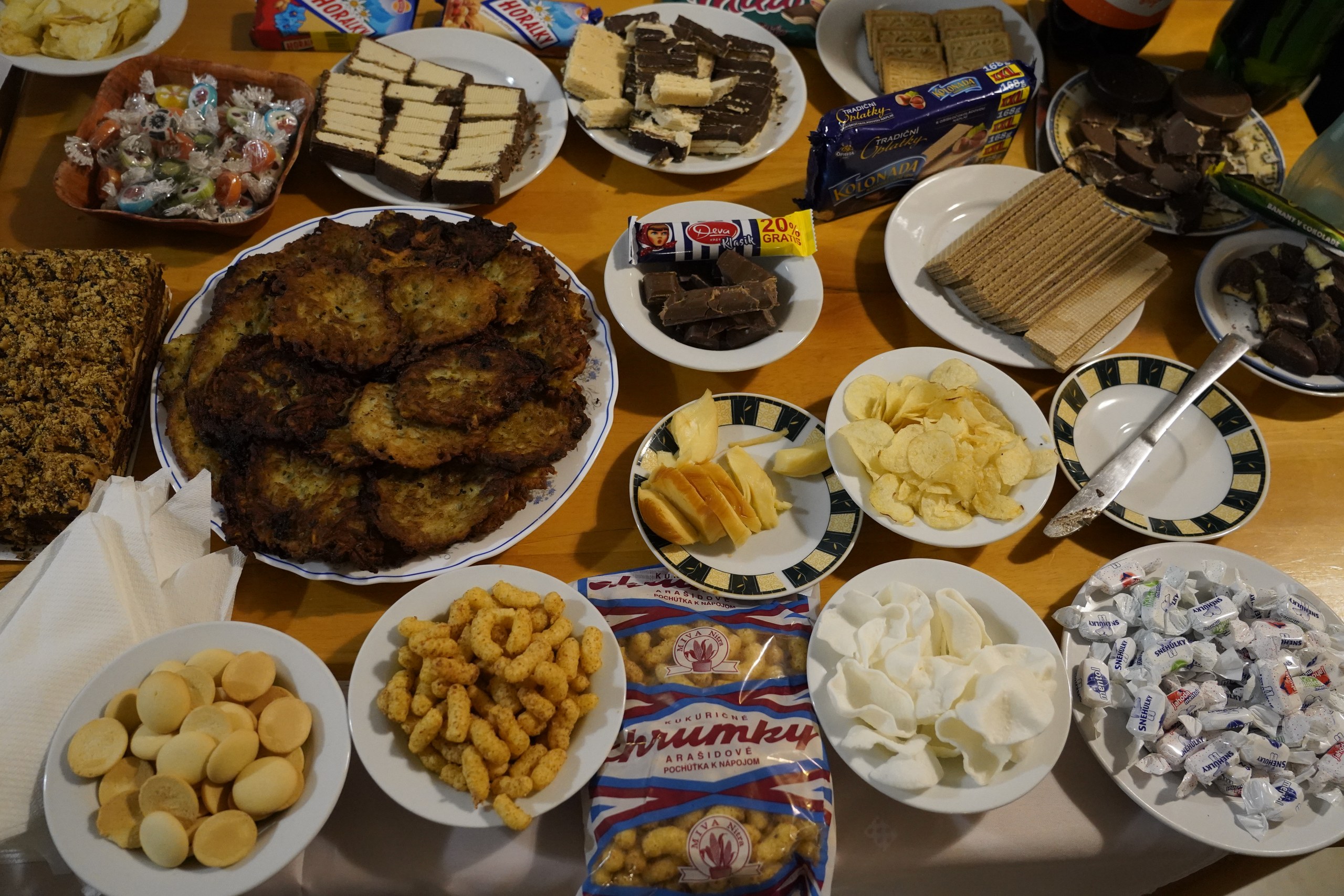
The evenings belonged to the participants. Over the course of the exchange, each national team took over the house for an intercultural night, presenting its country through food, music, quizzes, and dance. When the Hungarian team’s turn came, our hosts became guests in their own country for a night, presented to by the young people they had welcomed.
The evenings also carried the group’s steadiest ritual: each national team met daily to reflect on what the day had stirred, what worked, and what could improve. It is the kind of structure nobody photographs and everybody benefits from, and it kept fifty-four people functioning as one group.
From Definitions to Plans
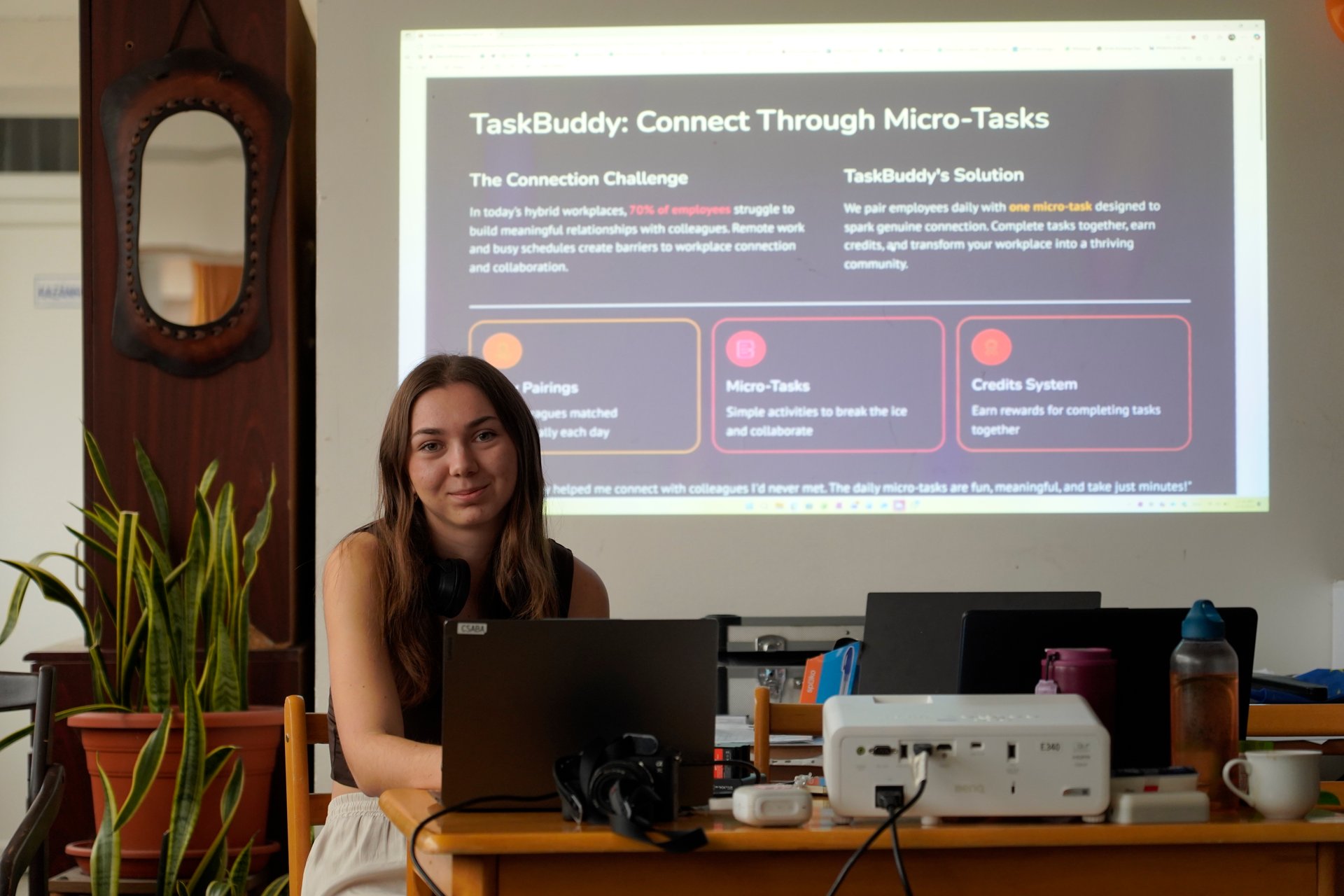
Between the room, the garden, and the hills, the programme moved through the full arc of its theme. The group built a shared definition of well-being from a live brainstorm and small “expert panel” drafts, split the concept into its mental, physical, and social dimensions, and spent the second half of the exchange on the social side in practice, from designing solutions for social well-being to rehearsing difficult situations through theatre. The final days turned outward: participants mapped what they could do at home, filled in their Youthpass certificates, and named the competences they were taking with them.
What Stays in the House
Blooming Connections is part of Four Links’ Erasmus+ Accreditation, co-funded by the European Union. Our team’s part was to give it a place, and the place mattered: a house small enough that seven countries had to share it, and a landscape generous enough that they wanted to.
The group has gone home, and the common room is quiet again under its paintings. What stays with us as hosts is the shape the house took while they were here, a session room that was also a stage, a garden that was also a classroom, and the evidence, ten days of it, that social well-being is something a group can build from scratch when you give it a roof and a reason.
Photo Gallery
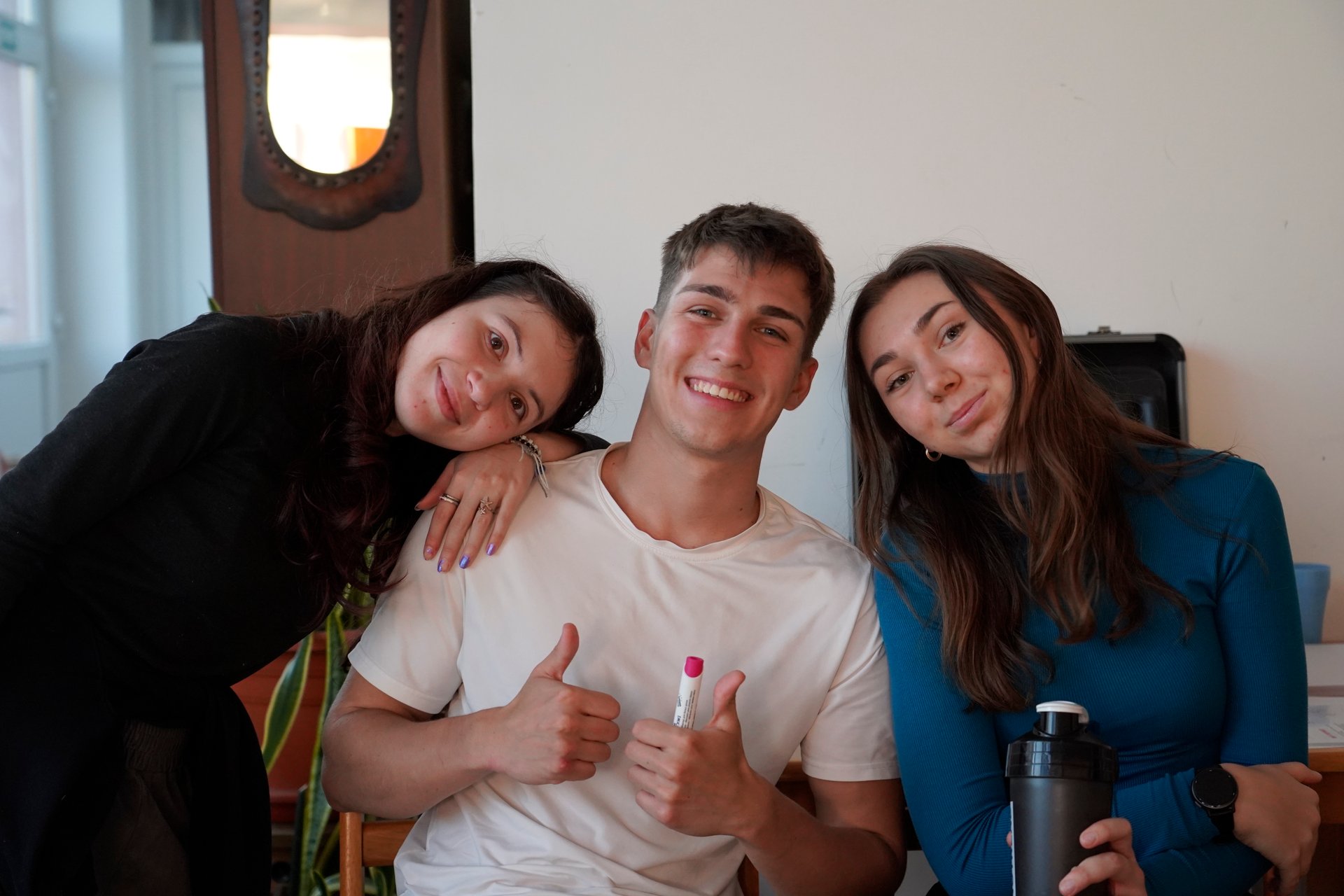
A few more moments from this activity :)
Check these and more photos in the activity’s photo album.